

Even under normal circumstances, running the Minnesota Department of Human Services is one of the toughest jobs in the state. It's a never-ending struggle to stretch finite taxpayer dollars to meet the ongoing care needs of those the agency serves — the disabled, elderly and poor.
DHS' newest commissioner, Jodi Harpstead, not only has her hands full with these obligations but a daunting set of additional challenges. Chief among them: major disruption within leadership ranks, including the sudden resignation of former commissioner Tony Lourey, as well as longstanding questions about the agency's systemic ability to prevent fraud.
A state Senate hearing on Tuesday put a painful spotlight on these troubling concerns and raised new ones about whistleblower retaliation and allegations by a former physician on staff that medical expertise is not adequately respected as policy is made.
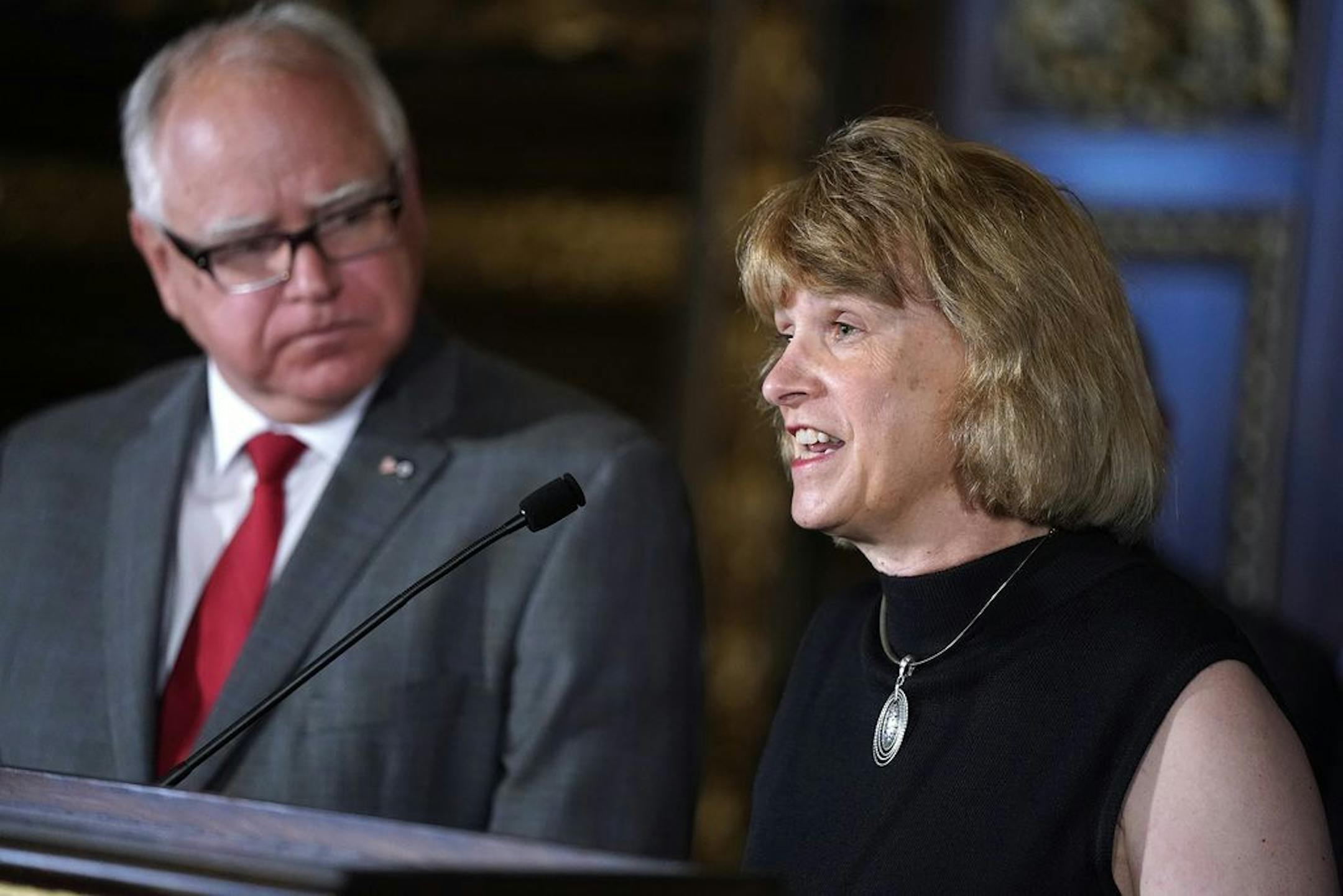
Fortunately, it's hard to imagine a Minnesotan more prepared to lead this vital agency at this difficult time than Harpstead, whose appointment by Gov. Tim Walz was announced on Monday. Harpstead, a former Medtronic executive, left the device company to join the state's nonprofit Lutheran Social Service of Minnesota, where she most recently served as CEO.
That bold midcareer decision reflects a call to serve and a willingness to learn and grow as a leader — qualities that will serve Harpstead well in her new role. She also enjoys wide respect from the state's health care community. The Star Tribune Editorial Board also has high expectations and offers these suggestions as Harpstead prepares to start in September:
• Understand there's a learning curve, even for someone with Harpstead's formidable credentials. She should reach out to former commissioners and those who know the agency for advice.
• Don't try to tackle every problem at once. Focus on those two or three operational concerns that need the most attention (our suggestion would be fraud detection). State Health Department Commissioner Jan Malcolm, who replaced a leader who resigned during a scandal, zeroed in on fixing elder care oversight. It served her and the department well.
• Changes should be thoughtful, not hasty. Broad reforms, including breaking up the agency, have surfaced. It may be time to do that, but understand there are at least three years left in the governor's administration. Refuse to be rushed.


