
It’s not just you. Here’s why Twin Cities road work is ‘more intense’ this summer.

“There’s increased investment across the board,” one transportation official says.

The Minnesota Star Tribune
July 30, 2025 at 11:00AM
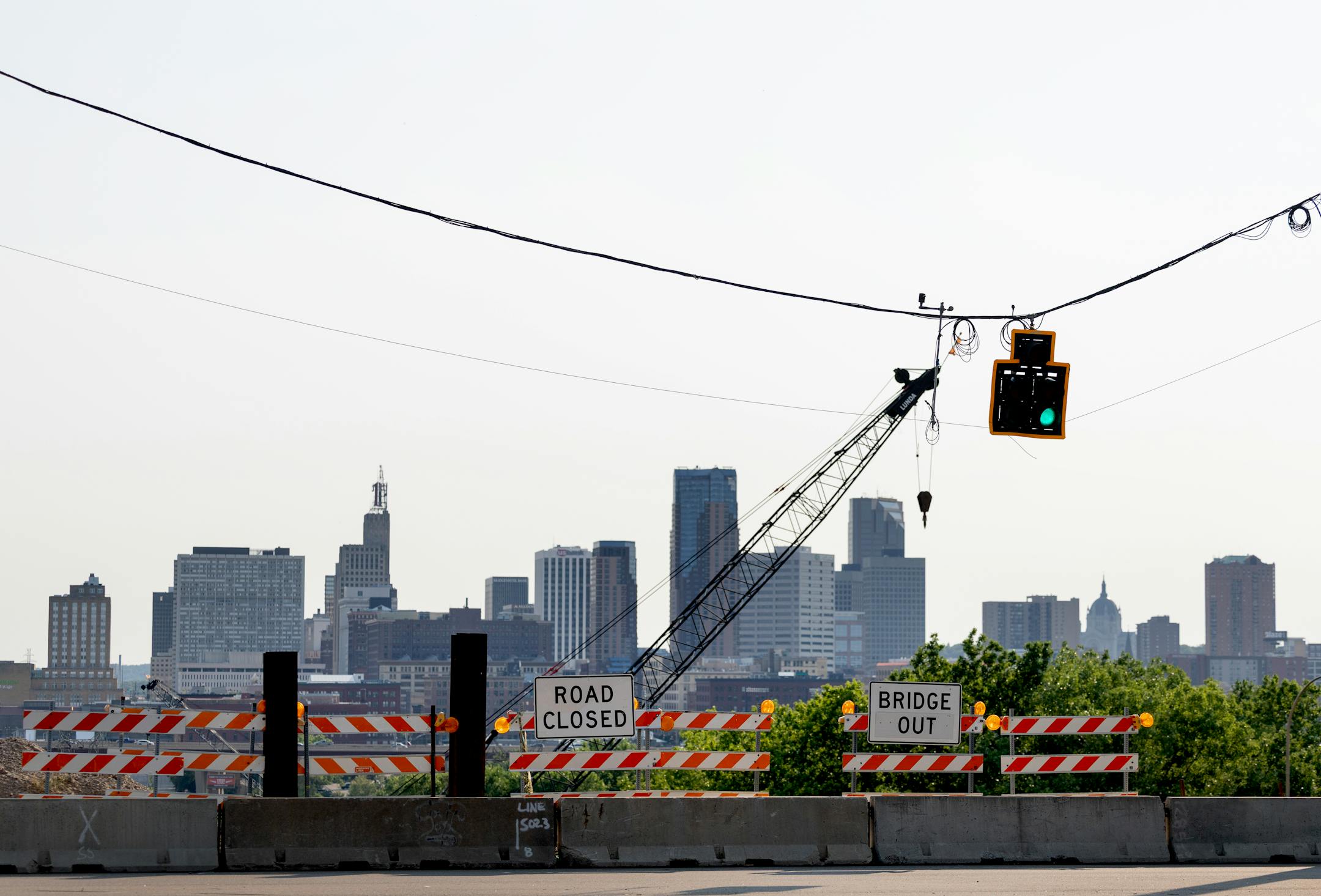
Road construction at the intersection of Mounds Boulevard and 3rd Street in St. Paul on Monday. (Carlos Gonzalez/The Minnesota Star Tribune)

Traffic barrels and frustrated drivers have been ubiquitous this summer in the Twin Cities.

And the road to congestion has been paved, in part, by an influx of state and federal transportation dollars flowing into repair and improvement projects across the metro area.

In 2021, federal lawmakers and former President Joe Biden approved the Infrastructure Investment and Jobs Act (IIJA) that pumped $1 trillion into improving the nation’s roads, bridges, railways and other public works. Then, in 2023, state lawmakers approved new taxes and fees that will raise billions for Minnesota’s highways.

“There’s increased investment across the board,” said Charles Carlson, executive director for metropolitan transportation services at the Metropolitan Council.

Many of those new dollars have filtered through the transportation planning process and are paying for some of the road projects snarling Twin Cities traffic for now.

While the raw number of road projects across Minnesota is similar to previous years — about 180 this year vs. 193 last year and 171 the year before — Minnesota Department of Transportation officials agree that this summer’s work has been remarkable.

“It’s amazingly been a lot more intense than previous years,” Khani Sahebjam, MnDOT’s metro district engineer, said at a recent Metropolitan Council meeting.
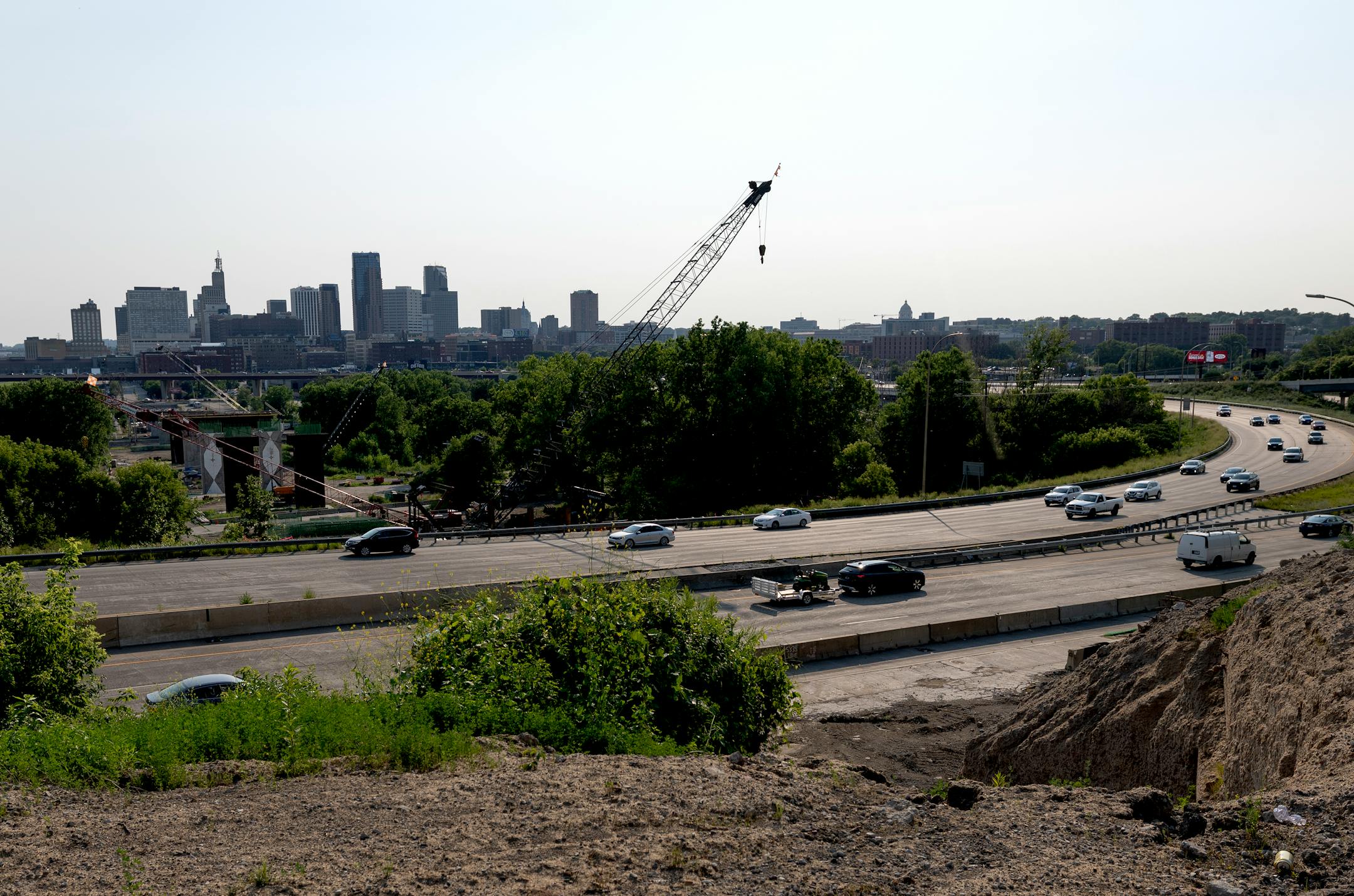
Road construction near Interstate 94 and the intersection of Mounds Boulevard and 3rd Street in St. Paul on Monday. (Carlos Gonzalez/The Minnesota Star Tribune)

MnDOT spokesman Nick Carpenter confirmed that the additional federal funds mean there’s a “bit more construction this year,” though the effects on travelers varies.

The federal legislation included $325 million specifically for bridge repairs in Minnesota over a five-year period. That helped accelerate repairs to the Interstate 94 bridge over the Mississippi River in Minneapolis and the Dunwoody bridge on Interstate 394 west of downtown Minneapolis, Carpenter said.

Federal dollars also funded a number of other projects including Interstate 494 in the south metro, and Hwys. 5 and 61 in St. Paul and Maplewood, he said.

The federal spigot could be tightened after 2026 when some of the IIJA programs wind down. But the 2023 state law will continue to pour resources into MnDOT’s coffers. The department expects the law will contribute an additional $5.2 billion for the state’s highways over the next two decades.

Sen. Scott Dibble, DFL-Minneapolis, who co-sponsored the state bill, says the spending is essential to maintaining and improving the roads and highways that keep people and commerce moving.

“It’s our turn, this generation’s turn now,” he said. “We’ve been standing on the shoulders and resting on the laurels of our parents and grandparents.”

MnDOT estimates it is still billions of dollars short of what’s needed to address the state’s long-term needs, though Dibble believes that to be “overstated” and that the department should dial back highway expansion plans.

In the meantime, Sahebjam said MnDOT is trying its best to minimize the inconvenience of projects underway now. Some will be wrapping up in the next few weeks before the State Fair and the Minnesota Vikings’ preseason starts, he said.

“We’re doing it for you, not to you,” Sahebjam said.

about the writer

about the writer

Nathaniel Minor

Reporter

Nathaniel Minor is a reporter for the Minnesota Star Tribune.

See Moreicon

More from Twin Cities

See More
card image
card image