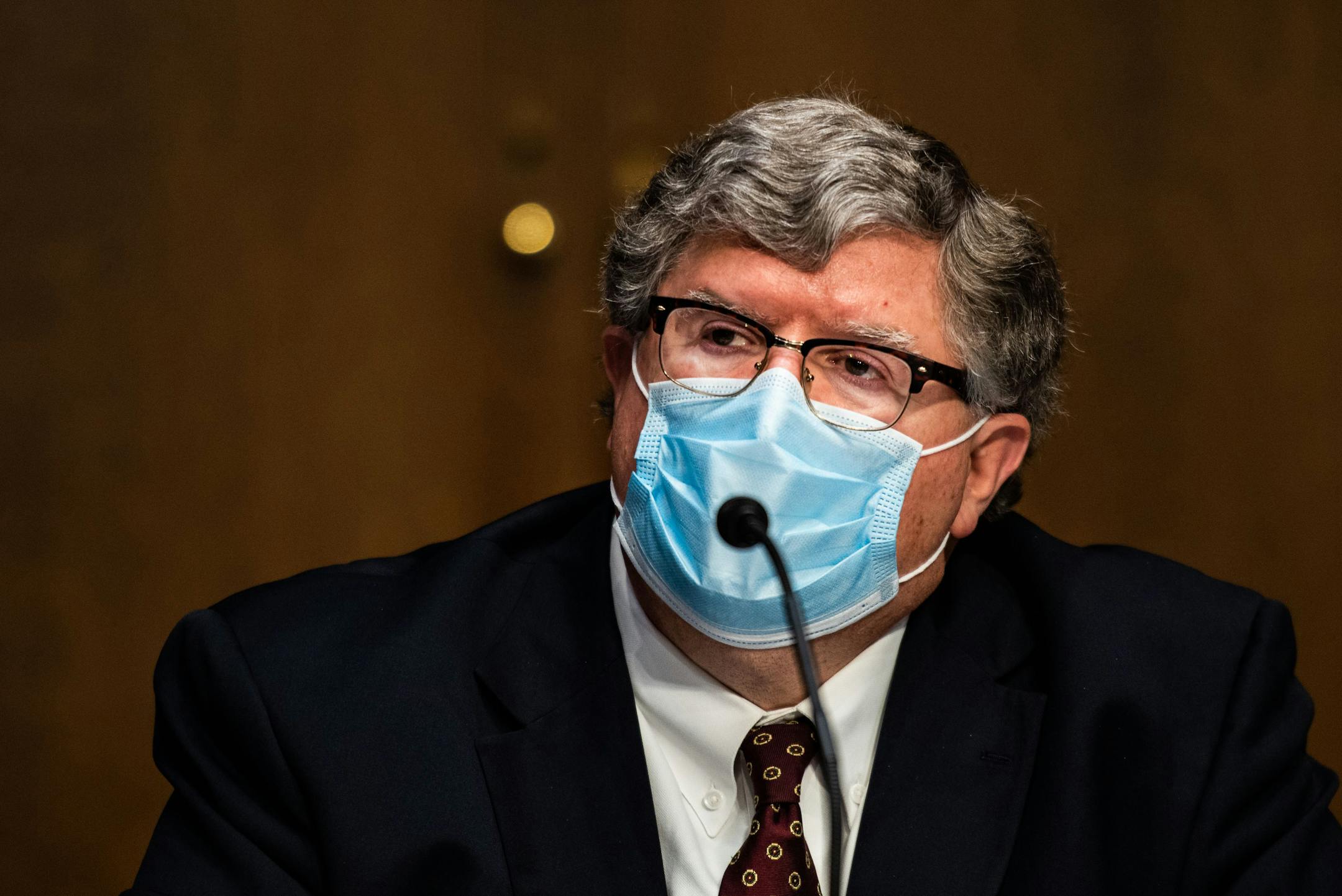
Washington – A breakdown in the oversight of trillions of dollars of economic relief money spilled into public view Friday night when the Treasury Department's special inspector general for pandemic recovery said in a report that his powers to scrutinize funds had been curtailed this week after a decision by the Justice Department's Office of Legal Counsel.
The inspector general, Brian Miller, said in his quarterly report to Congress that he had been engaged in a monthslong dispute with another inspector general in the Treasury Department over who had access to information about and oversight of the Payroll Support Program and the Coronavirus Relief Fund. The programs were created in the $2.2 trillion stimulus legislation that passed in 2020 and provided money to airline employees and states and cities.
The clash comes as the Biden administration is overseeing another $1.9 trillion in relief money and calling for $4 trillion in new spending on jobs and infrastructure programs. The vast array of government outlays is being tracked by a patchwork of oversight bodies and committees.
Miller's office has been tracking fraud and "double dipping" in the relief programs, but his access to certain databases started to be curtailed last year in the final months of the Trump administration as the turf war between the inspectors general ensued. Miller, who was appointed by President Donald Trump, referred the matter to the Justice Department in early January, before Joe Biden took office, to get a final ruling on the scope of his powers.
In the report, Miller suggested that the "temperature has cooled on oversight" and said flatly that "things are not working well." He warned that there would be negative consequences as a result.
"Unfortunately, many of these promising developments, including criminal investigations and leads, will now need to be closed or transferred," Miller wrote.
A spokesperson for the White House had no immediate comment.
The Treasury Department said that aside from the special inspector general, the department's programs under the 2020 stimulus law were tracked by multiple, overlapping oversight bodies, including the Treasury inspector general, the Pandemic Response Accountability Committee, the Government Accountability Office and the Congressional Oversight Commission, as well as through traditional congressional oversight.