SANTADI, Sardinia — It took nearly five years for Kyre Chenven and Ivano Atzori to buy a cluster of ruined houses in southern Sardinia.
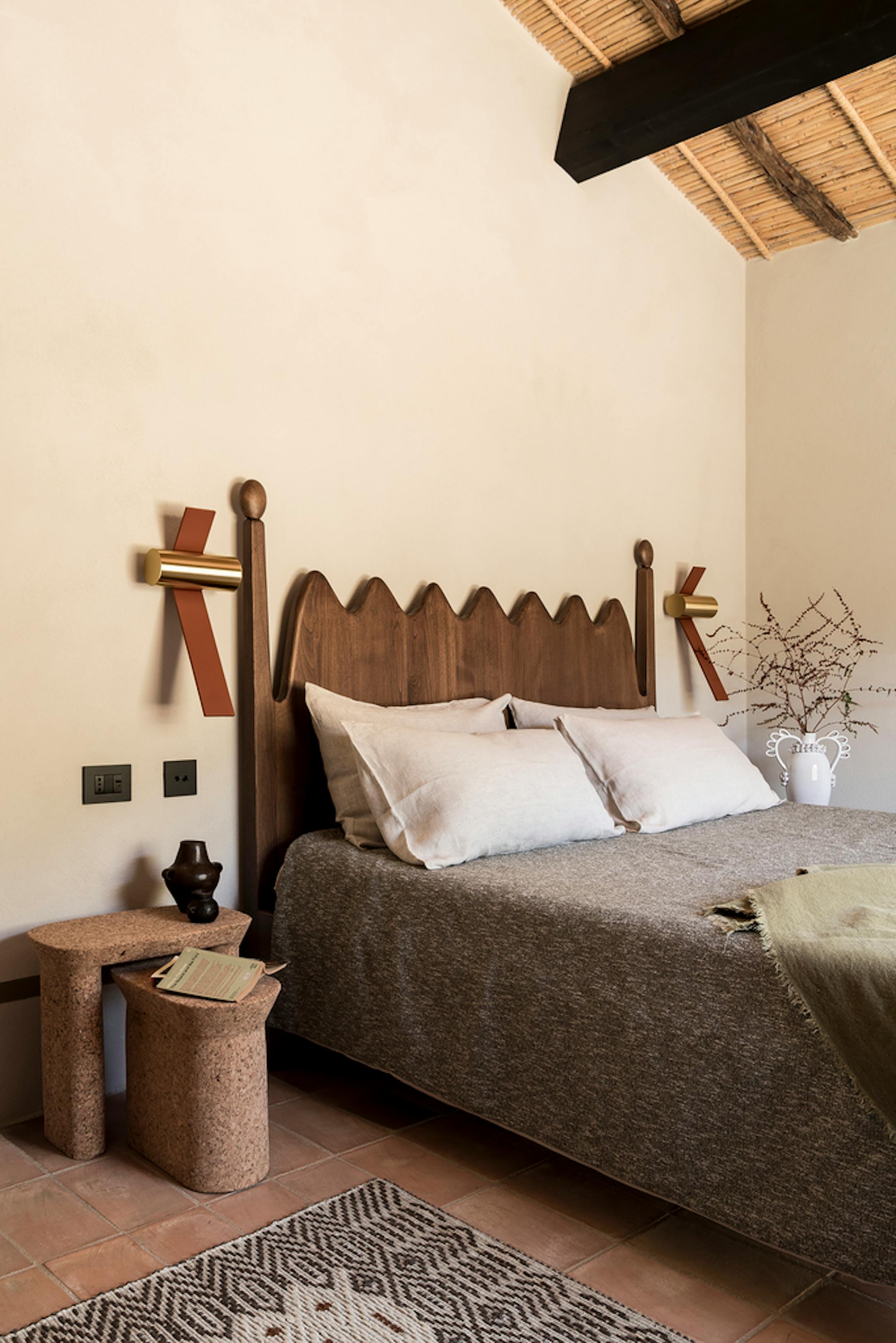
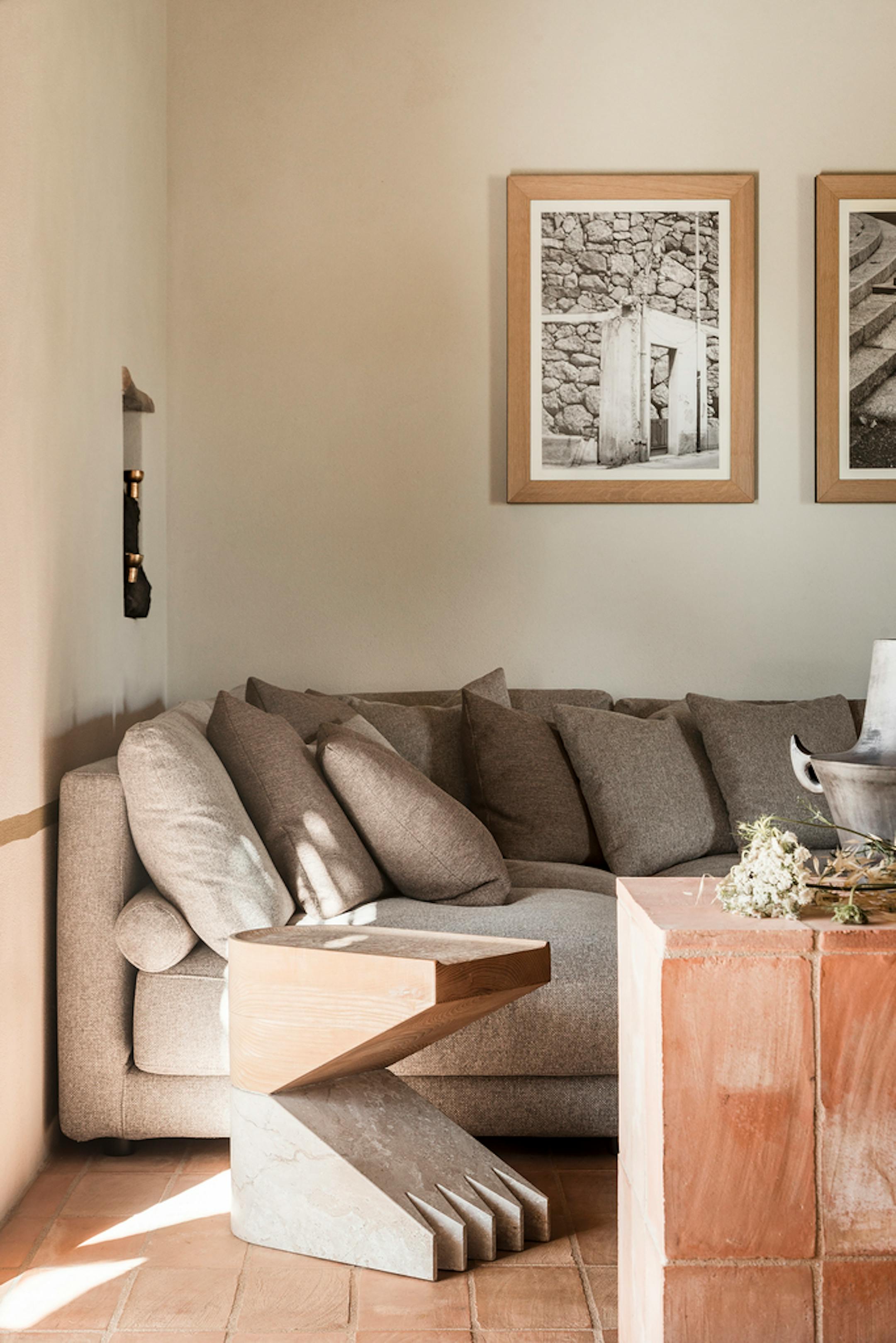
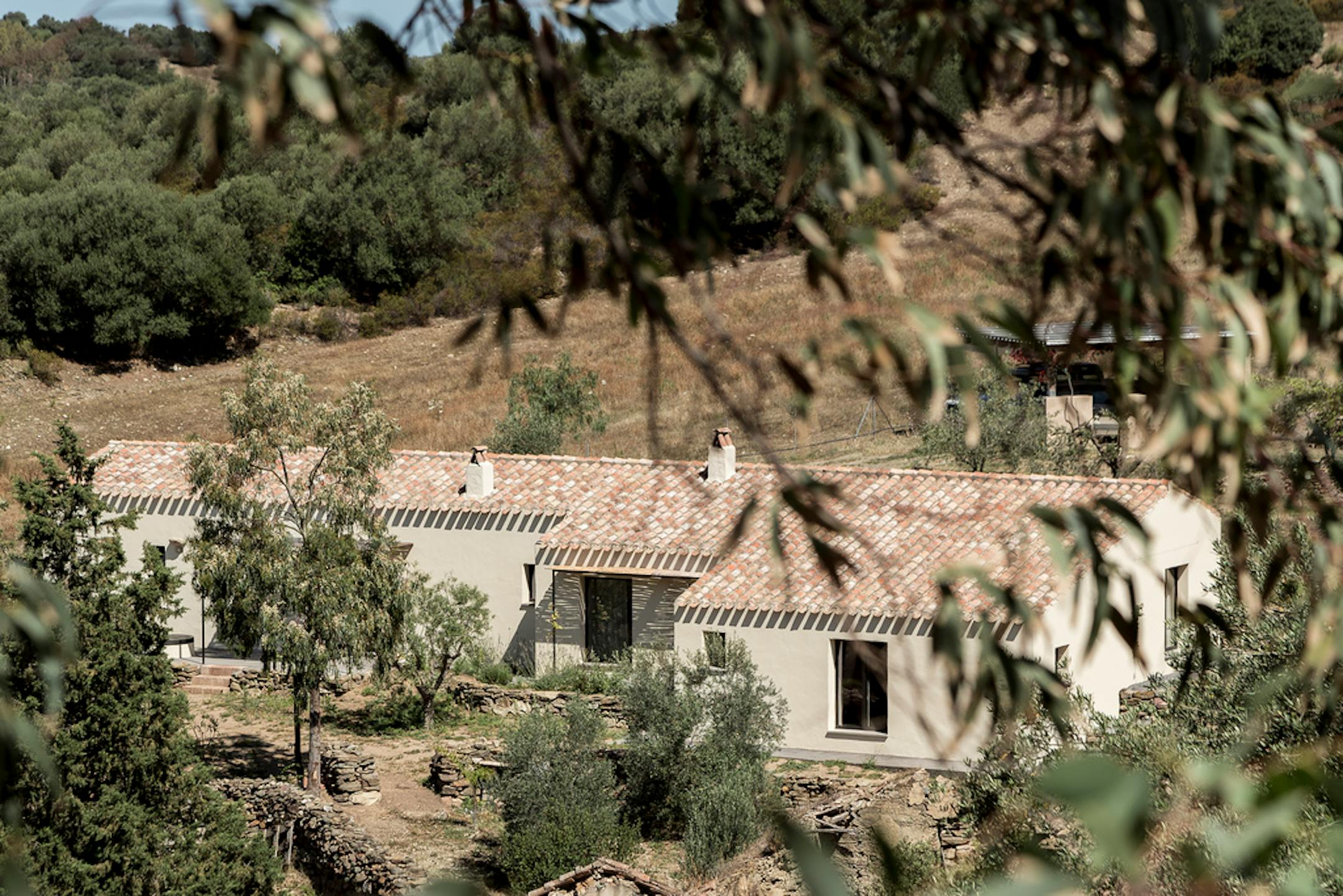
The single-story buildings, or rather, the skeletons that remained, once made up a furriadroxu, a type of agrarian community common in the southwest region of the Italian island. The farmstead, likely constructed in the 19th century, was home to a sprawling family that long ago abandoned it for village life. Since 2022, however, the property has taken on a new identity: as Luxi Bia, a revitalized rural haven where curious visitors can immerse themselves in local culture and the natural environment.
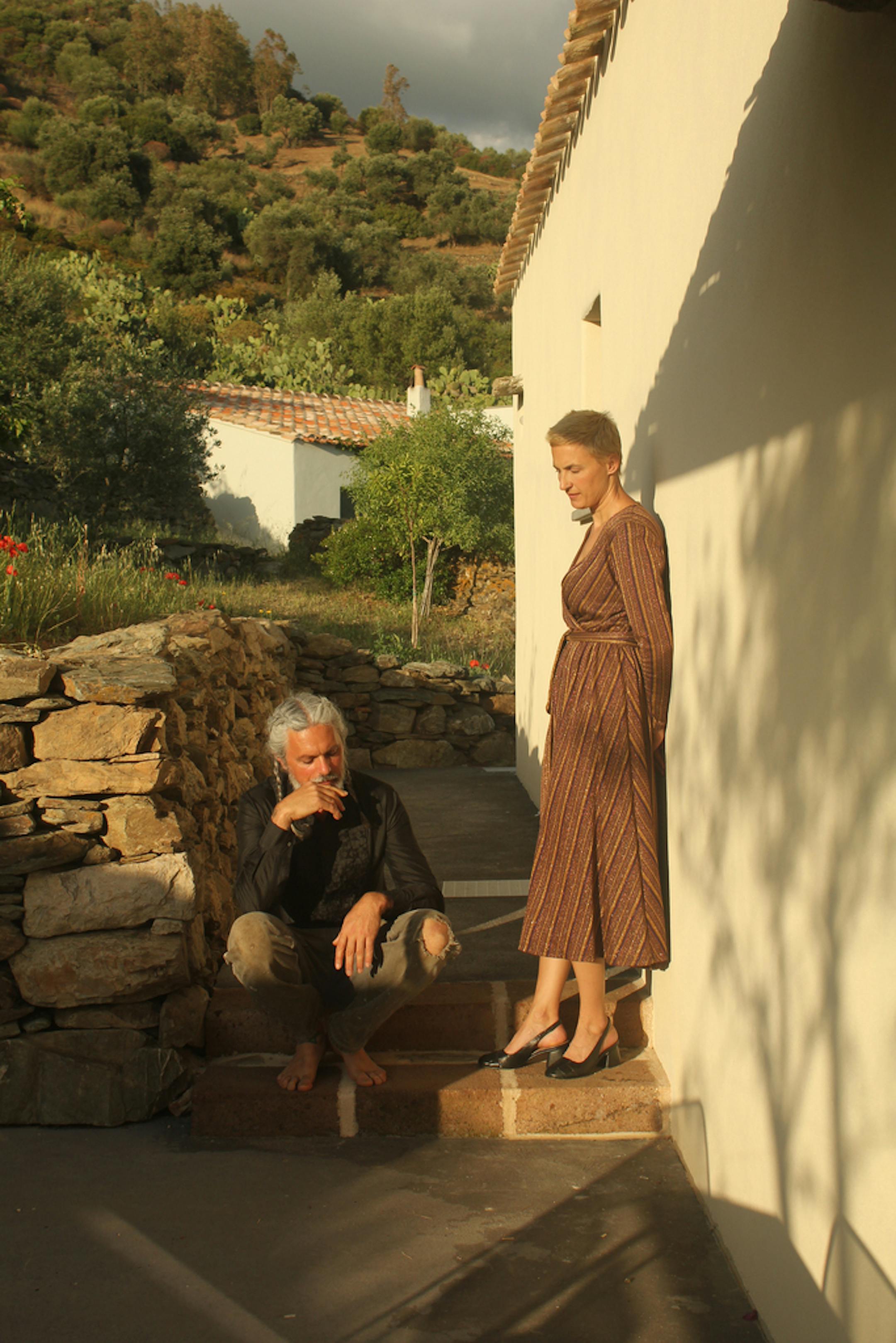
“I think there were 14 people present when we signed the deal,” said Chenven, a 46-year-old woman with a short crop of blond hair and a shock of red lip stain. She was following Atzori, 48 — whose long gray hair was tied up in a pair of French braids that rested on his shoulders — through their grove of olive trees while explaining that Sardinia’s complicated hereditary tradition meant that houses were often divided between heirs by room. It took the couple an entire year and much cajoling to gather all the family members and persuade them to sell.
Chenven and Atzori relocated with their two children from Tuscany to Sardinia in 2014. Although they had vacationed on the island and Atzori had family roots there, it was fundamentally terra incognita. Chenven grew up in San Diego and later worked as a set designer in New York City, and her husband, a former graffiti artist who painted under the alias Dumbo, is a native of Milan.
The couple were drawn to Sardinia’s deep and layered history. First inhabited in the Stone Age, it has long been defined by its isolation from the mainland, which allowed it to cultivate an independent and change-resistant culture.
Their first Sardinian venture, called Pretziada (“precious” in Sardinian), pairs contemporary international designers with local artisans to produce handmade objects and furniture. Collections have included hand-knotted tapestries depicting abstracted Nuragic architecture — prehistoric stone structures unique to the island — and modern takes on ornamental nuptial vases.
Luxi Bia (pronounced LOO-zhee BEE-uh), which translates to “light that has been seen,” similarly represents an outsider’s interpretation of local culture. At its most basic, it is a collection of holiday homes. But for Chenven and Atzori, it represents a different approach to tourism — one that allows those curious about Sardinia to briefly experience an often overlooked world.
Luxi Bia sits at the bottom of a shallow dish among rolling hills, their slopes dotted with mastic, pomegranate and almond trees that in late winter are just about to burst into bloom. From the crest of a hill, a glimmering sliver of the Mediterranean comes into view, too far to see pale pink flamingos wading through the shallow marshlands and the stony beaches that disappear into pristine turquoise waters a 20-minute drive away.