When the era of modern redevelopment began in the Twin Cities after World War II, many downtown Minneapolis blocks consisted mainly of clusters of small commercial buildings ranging from two to four stories tall.
But the law of the downtown architectural jungle is that the small inexorably gives way to the big. This process of architectural enlargement, as I like to call it, has occurred in Minneapolis and virtually every other American city, including St. Paul, since the 1950s. As a result, an ever-dwindling number of small commercial buildings now inhabit most downtowns.
I’m not sure how many small buildings disappeared from downtown Minneapolis between, say, 1950 and today, but my research indicates there were at least 300 and probably more.
The Gateway Urban Renewal project, which kicked off in 1958, claimed close to 200 buildings alone, mainly along lower Hennepin, Nicollet and Washington avenues. Yet the Gateway’s small buildings were, for the most part, a rather nondescript lot. Dating to the early days of the city, they tended to be simple brick boxes with little in the way of architectural distinction.
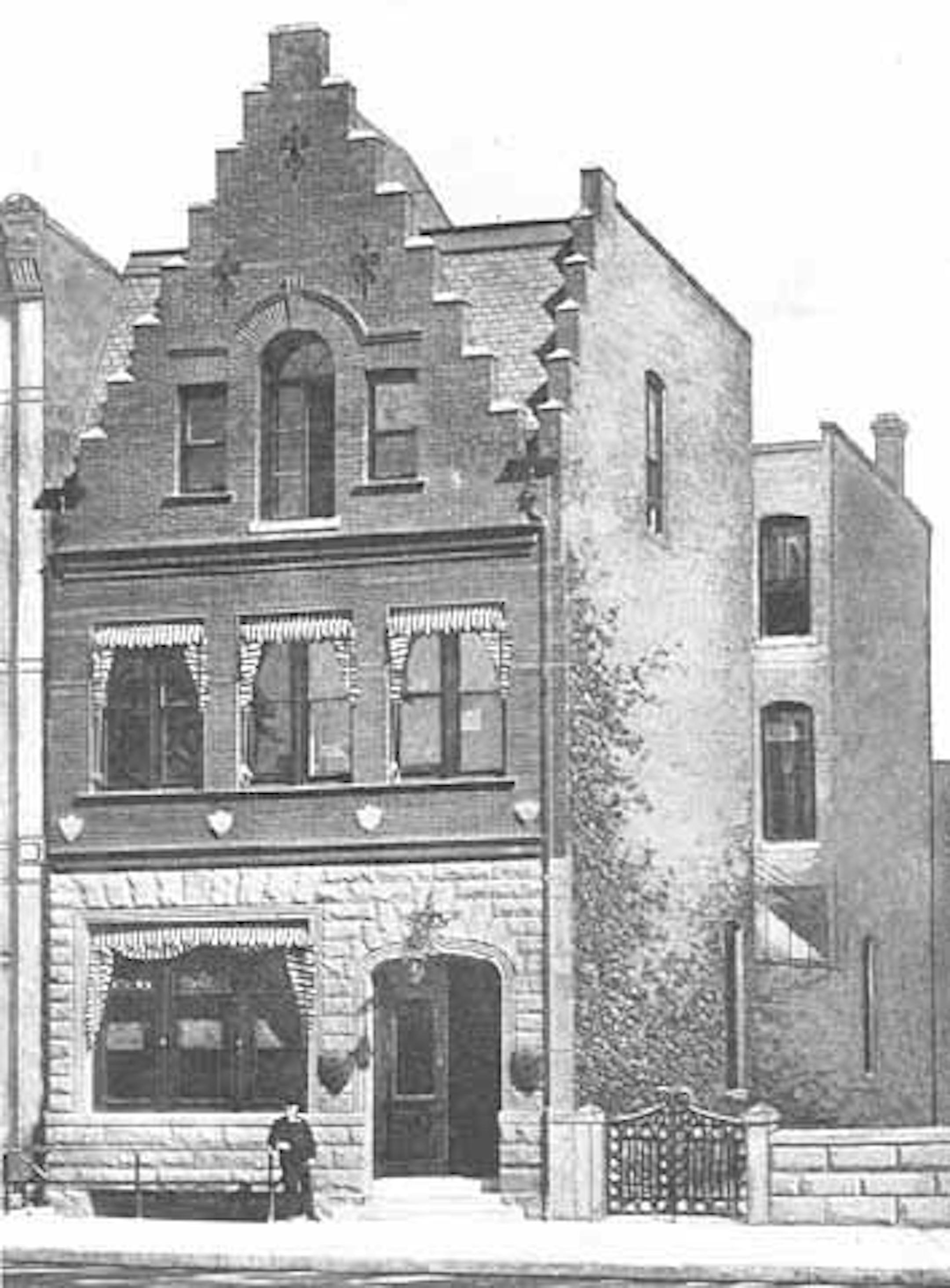
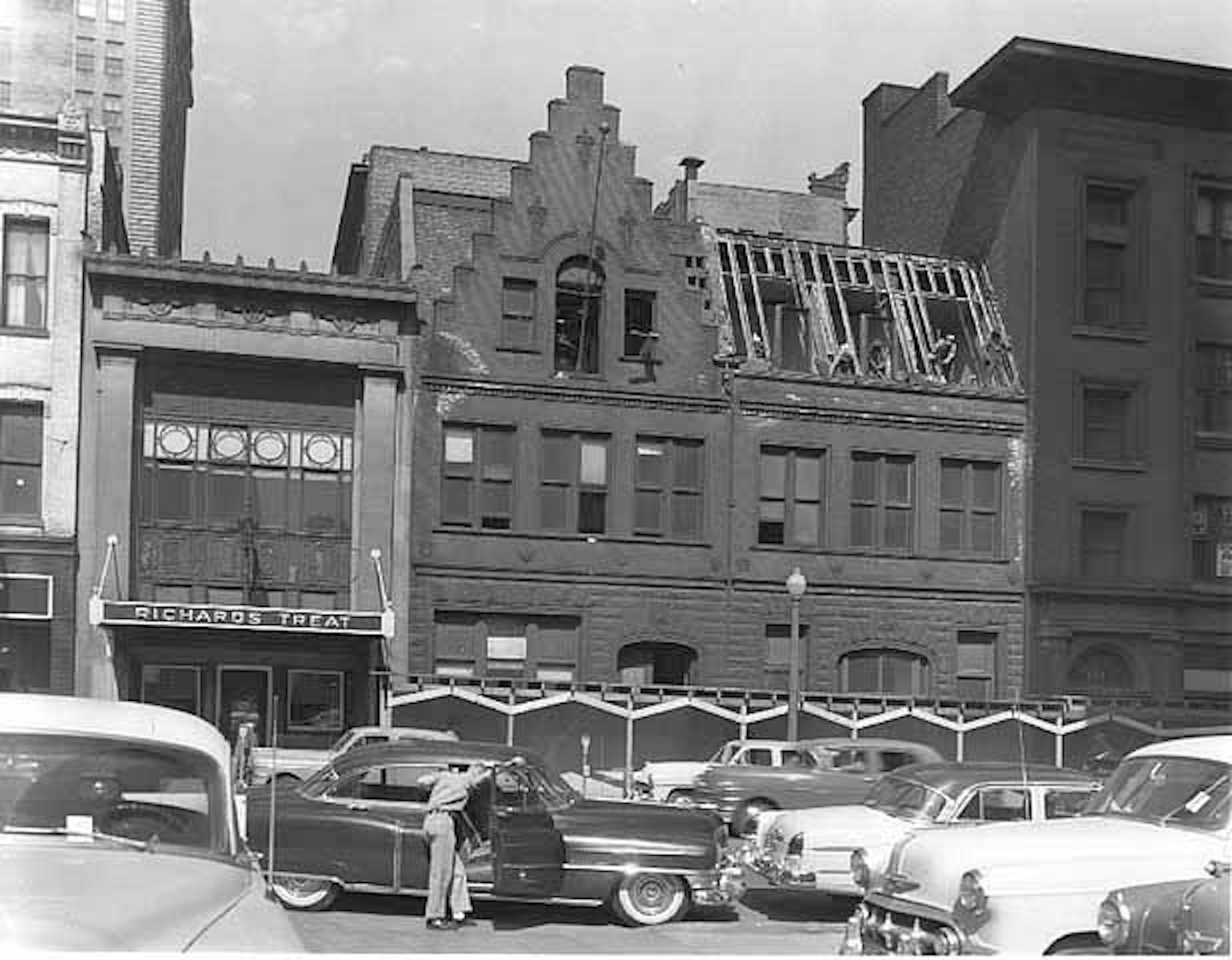
Elsewhere around downtown, however, there were some delightful small buildings that possessed style and grace and provided a welcoming street presence. One of my favorites, now long gone, was the Northwestern Miller Building at 116-20 S. 6th St., between Marquette and 2nd avenues.
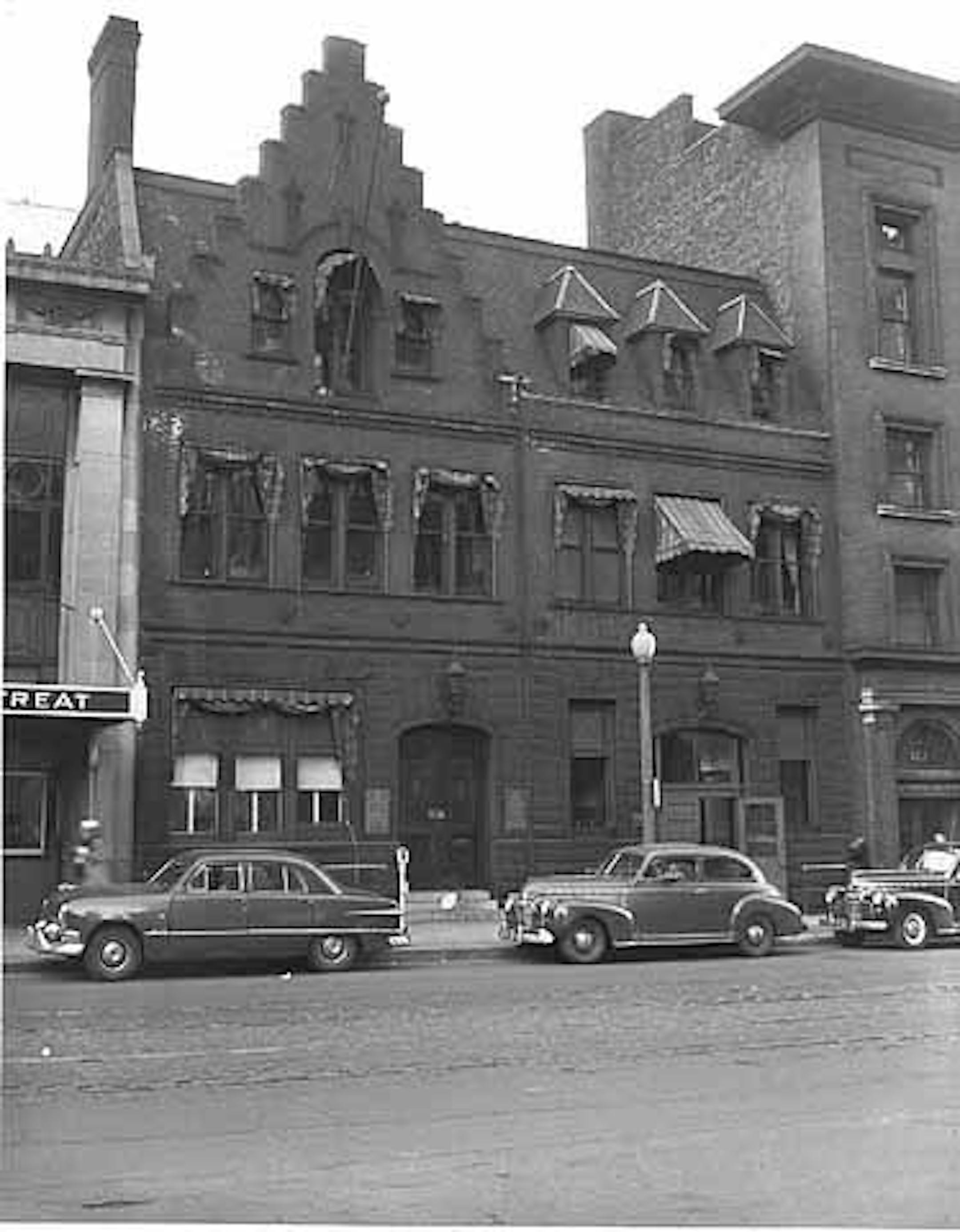
It was built in 1898 as the editorial offices and printing plant for Northwestern Miller magazine, which was to be the only occupant the building ever had. Designed by William Channing Whitney, the three-story building was a rare commercial example of the Tudor Revival style, featuring a rusticated stone base with brick above. Its most eye-popping feature was a tall step gable, the only one of its kind in downtown Minneapolis.
Stepped-up gables are usually associated with Dutch and North Germanic architecture but they did appear now and then as part of the English-based Tudor Revival style, which became popular in the 1890s and remained so through the 1920s. The style, often in watered-down versions, was widely used for houses, thousands of which still stand in residential neighborhoods across the Twin Cities.
Creative building, business
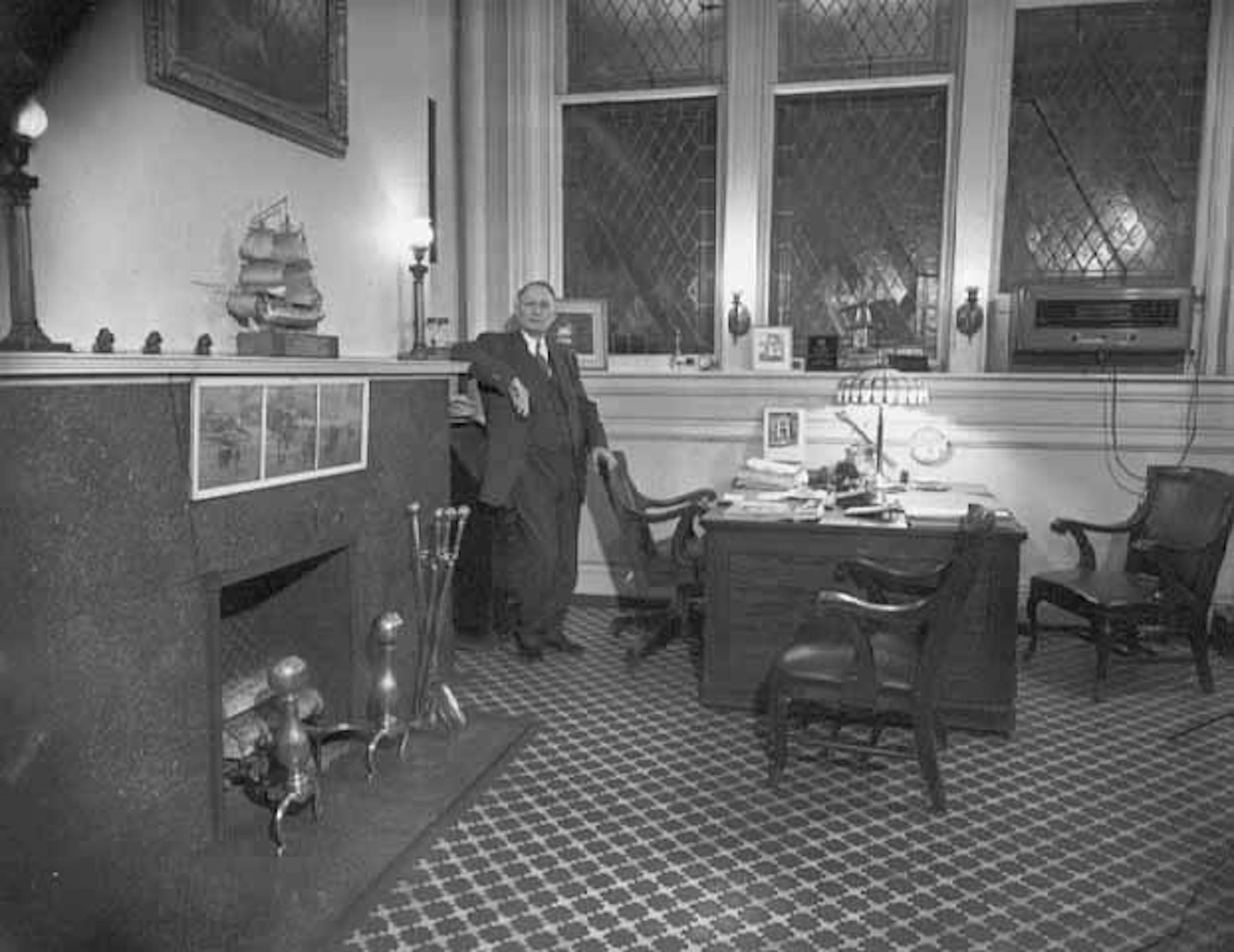
It’s not known why Whitney chose such an unusual look for the building, but one reason may have been to give it the feel of a clubhouse or urban townhouse as opposed to the typical office structure. He continued this approach inside, where the editor’s office was designed to resemble a cozy den, complete with a fireplace. The building also included a clubroom tucked beneath the gable.