A Twin Cities blood donation agency is concerned that aggressive immigration enforcement could discourage donors and make it more difficult to replenish hospital blood supplies after a holiday lull.
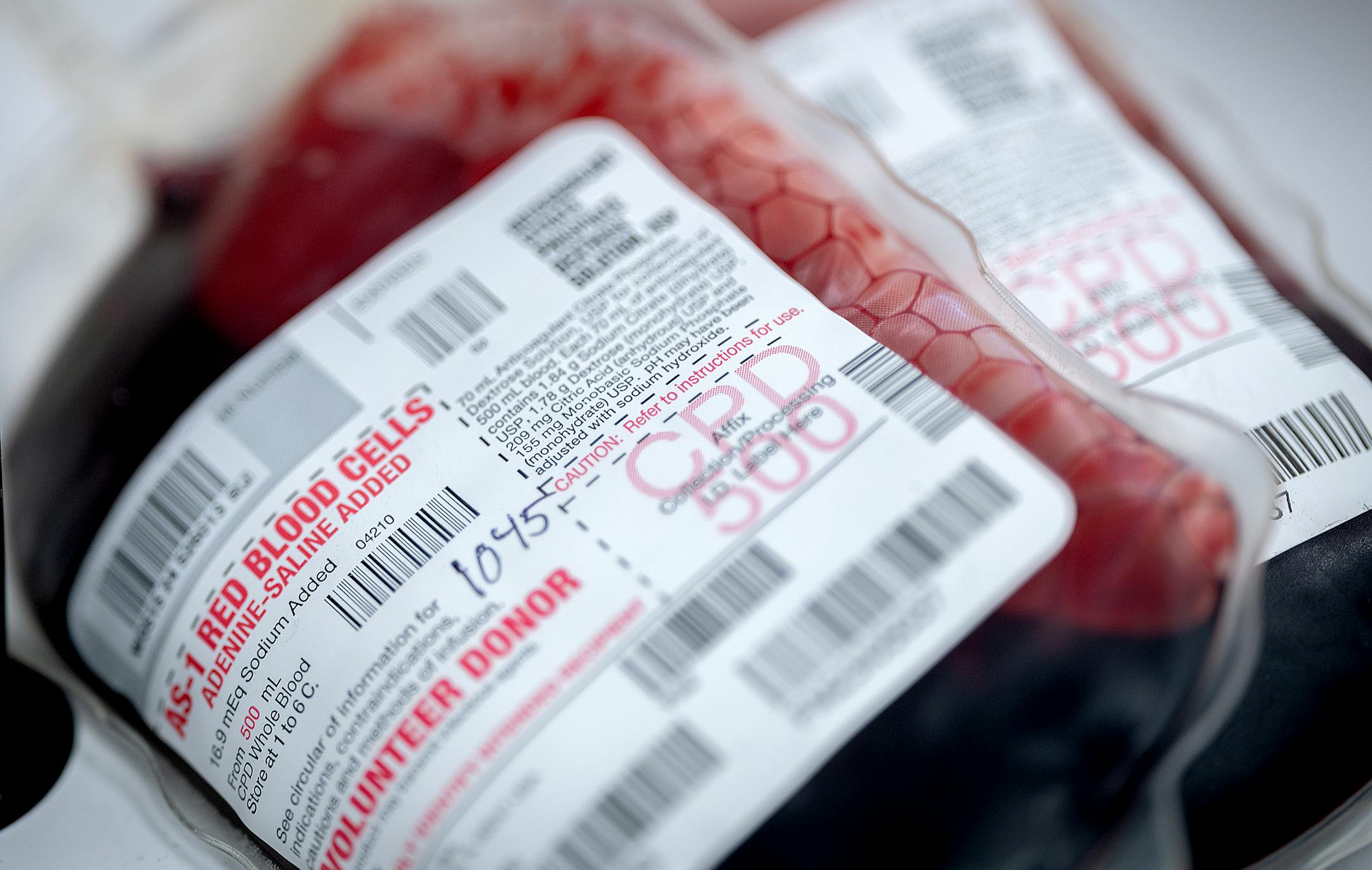
Memorial Blood Centers gathered its leaders along with St. Paul Mayor Kaohly Her and others Jan. 14 to urge donations, which have fallen 40% below the rate at which hospitals are using blood supplies for surgeries and treatments.
“This decline in donations is happening at the very moment that hospitals are experiencing increased demand for blood,” said Kathy Geist, MBC’s vice president of blood operations. The organization supplies blood to 55 Minnesota hospitals, some of which have less than two-day supplies on hand. A six-day supply is the norm.
A federal immigration sweep in Minnesota has prompted businesses to close and individuals to stay home. Geist said that’s not the cause of the shortage — blood supplies often run dry after the holidays. Some donors don’t make appointments amid family gatherings and celebrations while others cancel them when they suffer flu or other wintertime illnesses.
However, Geist said she is concerned anxieties about the immigration sweep could hamper recovery from the shortage. Typically when the agency announces an emergency shortage of blood, it gains a 20% bump in donations, she said.
“We’re worried that might have an impact,” Geist said of the immigration activity. MBC is staying “closely connected” and offering support to schools and businesses that have hosted blood drives in the past, she added.
MBC and the American Red Cross supply blood and blood products to area hospitals and emergency medical agencies in Minnesota. The local Red Cross chapter similarly announced this month that it was “teetering on a blood shortage.”
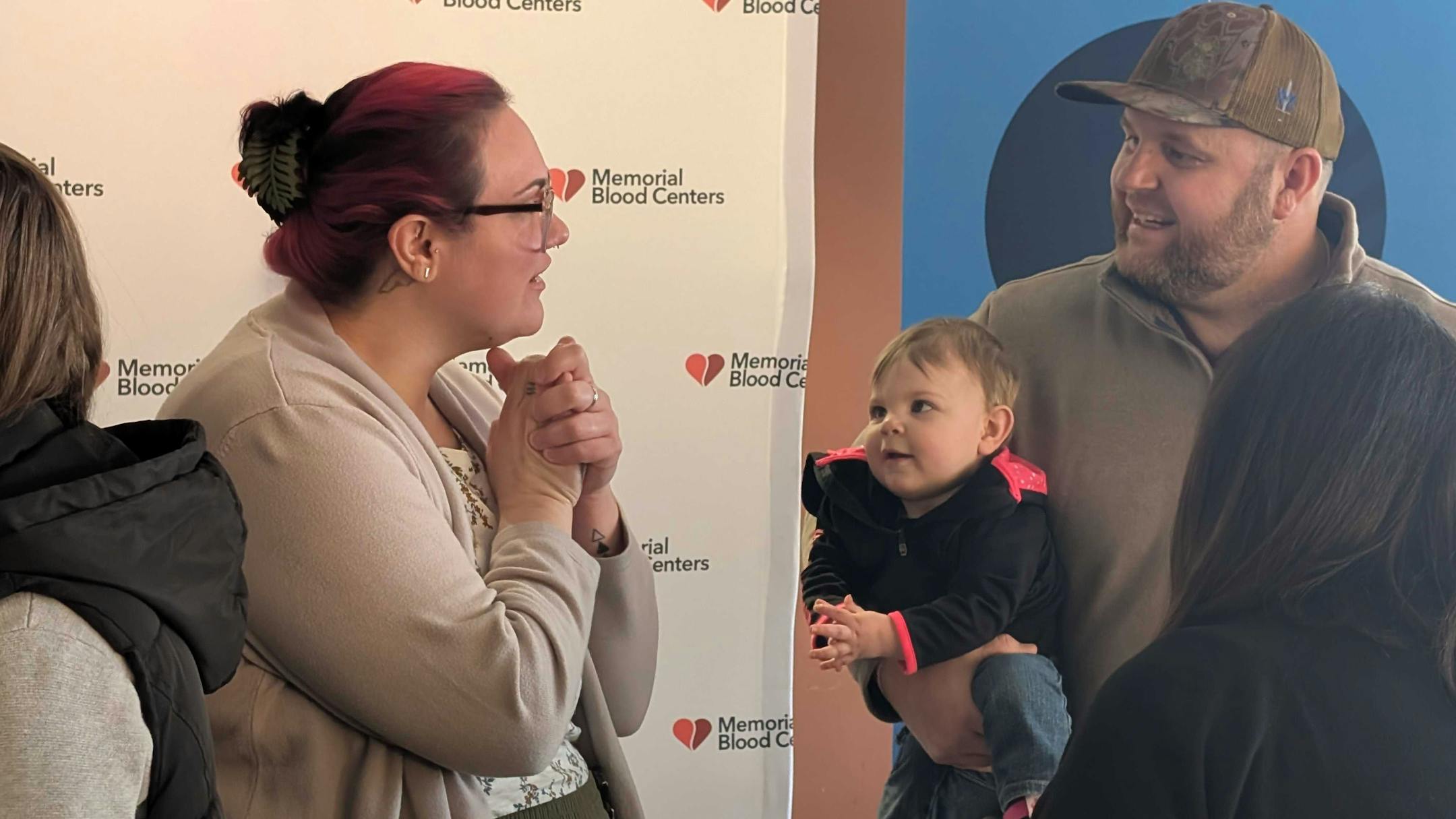
To underscore the need, MBC invited parents Stephanie and Jesse Wenker to discuss how blood donations saved their 1-year-old daughter, Sarah, who suffered complications last winter from a severe RSV infection.