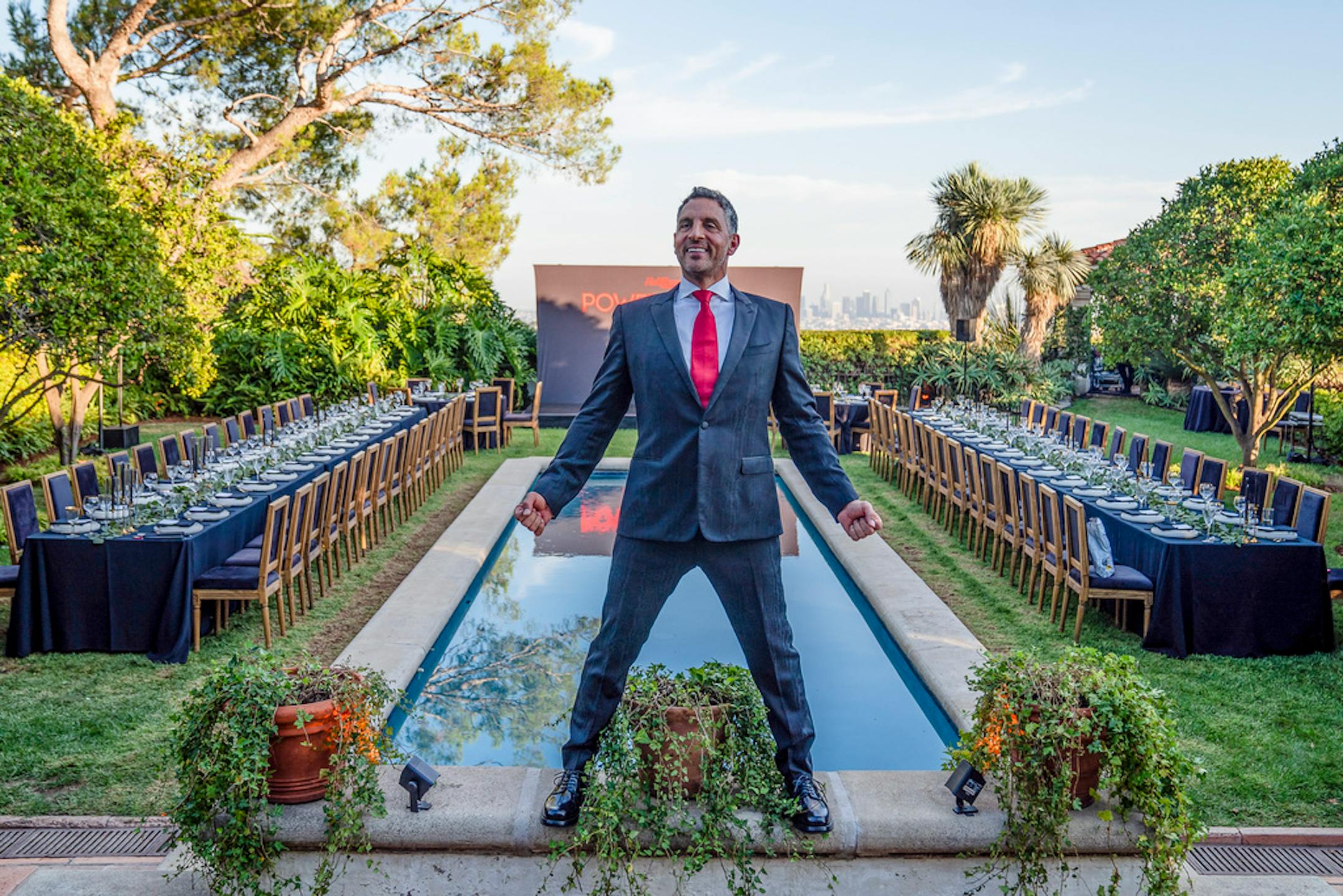
LOS ANGELES — The crowd began gathering at 5 p.m., into the movie-perfect backyard of a 1920s Spanish-style Los Angeles estate once owned by Madonna. The air was so soft and eucalyptus-scented that you could wrap yourself in it. Glasses clinked. The pool glinted in the slinking sun. In the Santa Monica Mountains above, the Hollywood sign gleamed like a row of perfectly capped teeth.
Into that golden light stepped Mauricio Umansky, fresh off his debut the night before on “Dancing With the Stars.” He made his way to a crystal lectern and began cracking jokes for the attendees, who were there for a star-studded awards show.
Unlike the Oscars or the Golden Globes, these awards didn’t go to actors, directors or screenwriters. They went to real estate agents, crowned in categories such as “Stratospheric Sale of the Year.” (The winner of that award was Kurt Rappaport, who represented Beyoncé and Jay-Z as they closed on a $190 million Malibu pad last May.) As a real estate broker with two seasons of “Buying Beverly Hills” and 13 seasons as a real husband on “The Real Housewives of Beverly Hills” under his belt, Umansky was the consummate emcee for the evening’s Power Broker Awards.
Celebrity has transfixed the real estate world. Agents in markets such as Los Angeles and New York chase stardom as fervently as they chase deals.
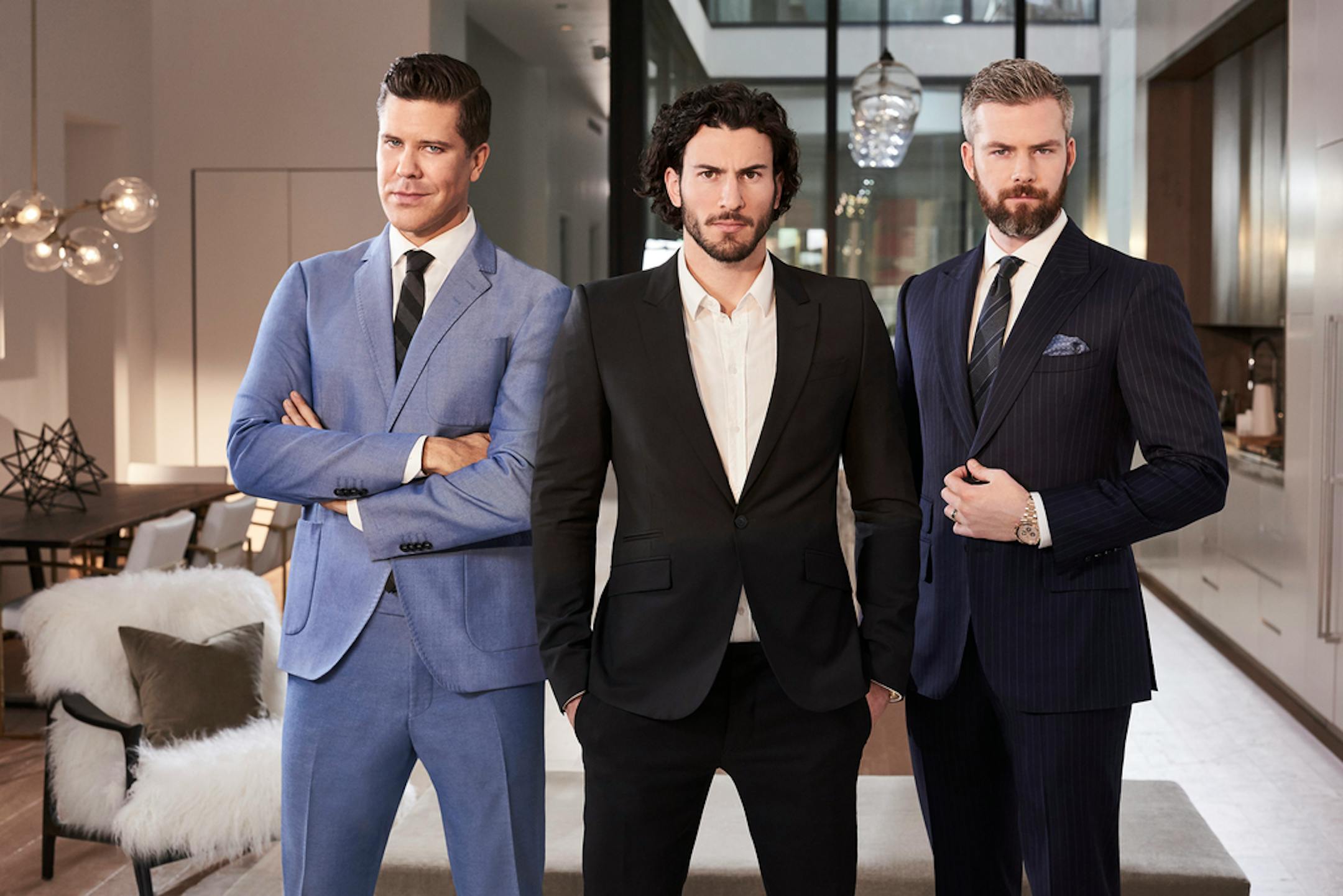
They rose to glitzy heights during the pandemic, floating into living rooms on shows such as “Million Dollar Listing,” “Million Dollar Beach House” and “Buying Beverly Hills.” Captive audiences watched agents rake in six-figure commissions and wrangle personal dramas as they listed, bought and sold some of America’s most eye-popping real estate. “Selling Sunset,” in which an ensemble cast of couture-clad agents bickers and bids in 6-inch heels, premiered in 2019 and quickly became one of Netflix’s most popular shows.
The agents now have true staying power, fueled by viewers’ insatiable desire for reality television content and the escapism of peeking at properties they could never afford to own.
Housing affordability in the United States is at a crushing low, with skyrocketing prices, elevated mortgage rates and a lack of inventory accessible to low- and middle-income households. The dream of homeownership is more elusive for Americans than it has been in decades. According to Danielle Lindemann, a professor of sociology at Lehigh University and the author of “True Story: What Reality TV Says About Us,” that disconnect increases the programs’ allure, expanding the daydream of Zillow surfing by packaging it as premium content.
“Paradoxically, with these shows, we as viewers forge what’s called a parasocial relationship, which is like a friendship or personal relationship with a character on TV,” Lindemann said. “We want to see this wealth. We can live vicariously through it. You get to exist in this hyperreality where you almost get to feel like you’re a part of it.”