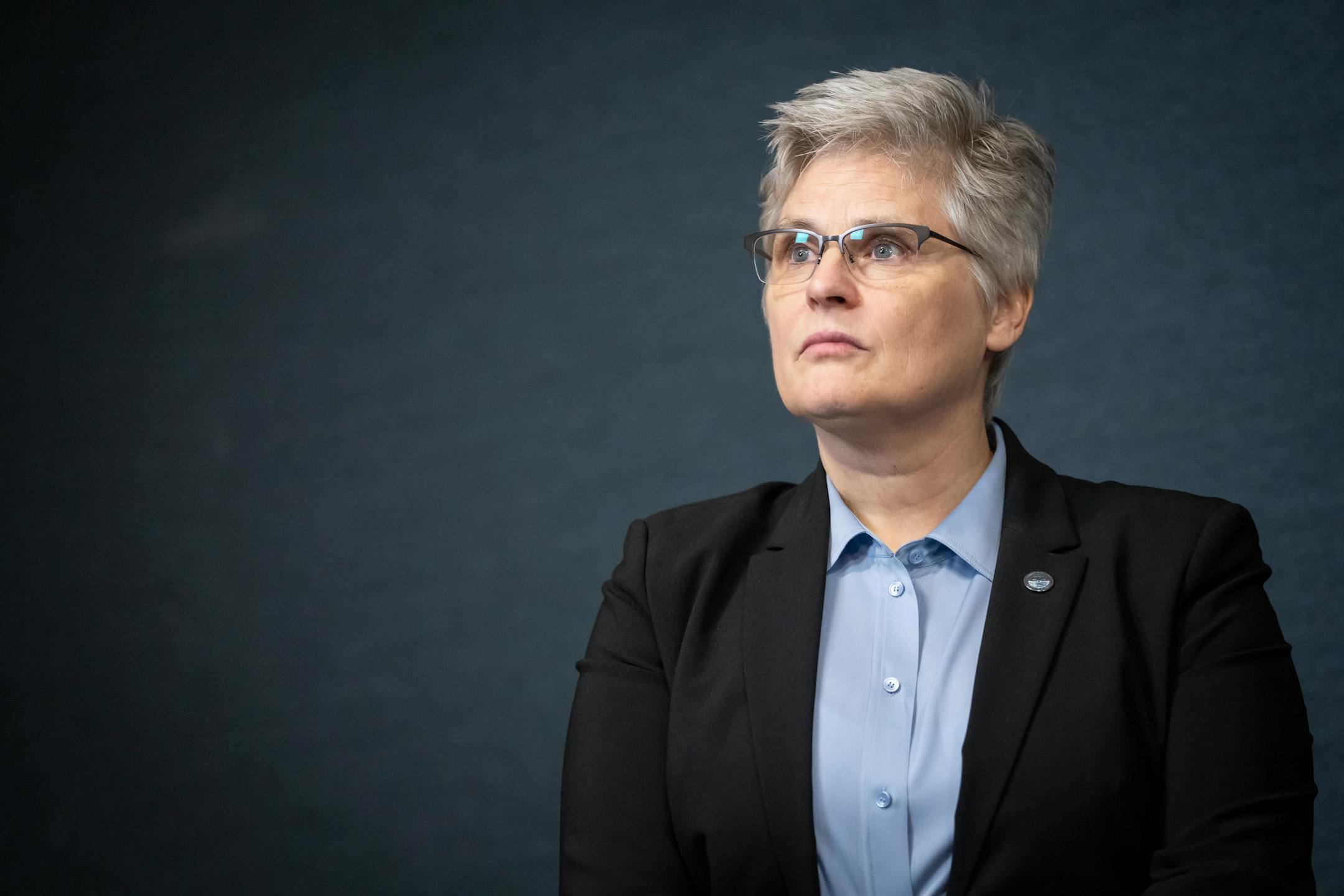
Hennepin County Attorney Mary Moriarty and Attorney General Keith Ellison’s pursuit of an independent investigation into Renee Good’s killing faces significant hurdles, hindered from the start by a lack of access to evidence and a high legal threshold for leveling charges against ICE agent Jonathan Ross for firing the fatal shots.
Yet unique potential scenarios remain in play, including a state prosecution of the case that could take place in federal court.
Federal officials removed the state Bureau of Criminal Apprehension (BCA) from what had been a joint investigation following Good’s Jan. 7 shooting death, causing the BCA to announce one day afterward that it “reluctantly withdrew” from the probe without access to evidence.
Moriarty and Ellison are working in close coordination to gather evidence to turn over to the BCA, but a charging decision would ultimately come from Moriarty’s office.
“Since last Wednesday our offices have been in consistent contact,” Moriarty said Jan. 12. “The support from the attorney general and his staff has been extremely valuable and we look forward to continuing to collaborate with them.”
The decision of whether to charge Ross with a crime presents the most visible moment in Moriarty’s already highly visible and, at times, controversial tenure as the top law enforcement officer in Hennepin County.
While Vice President J.D. Vance has claimed Ross has “absolute immunity” shielding him from prosecution in the shooting, Moriarty said she has legal authority to charge Ross, and the 10-year ICE veteran’s federal law enforcement duties do not grant him immunity if he committed a crime in Hennepin County.
Murder or manslaughter charges against Ross would be one of the rare instances of a law enforcement officer facing that crime in Minnesota, and are difficult for prosecutors to prove. The only case in modern state history where a police officer’s conviction for murder was upheld through the appeals process was Minneapolis police officer Derek Chauvin for the killing of George Floyd.