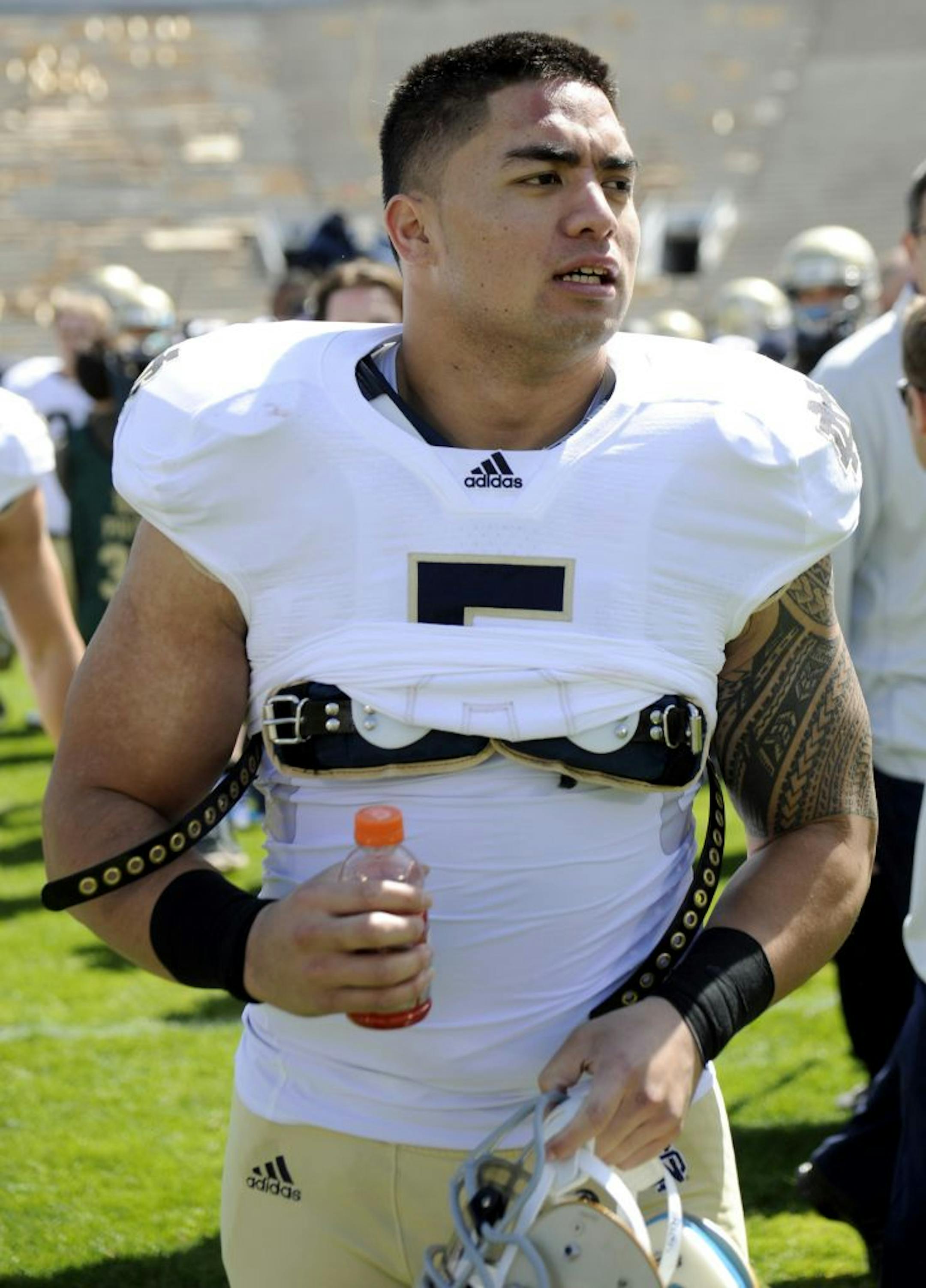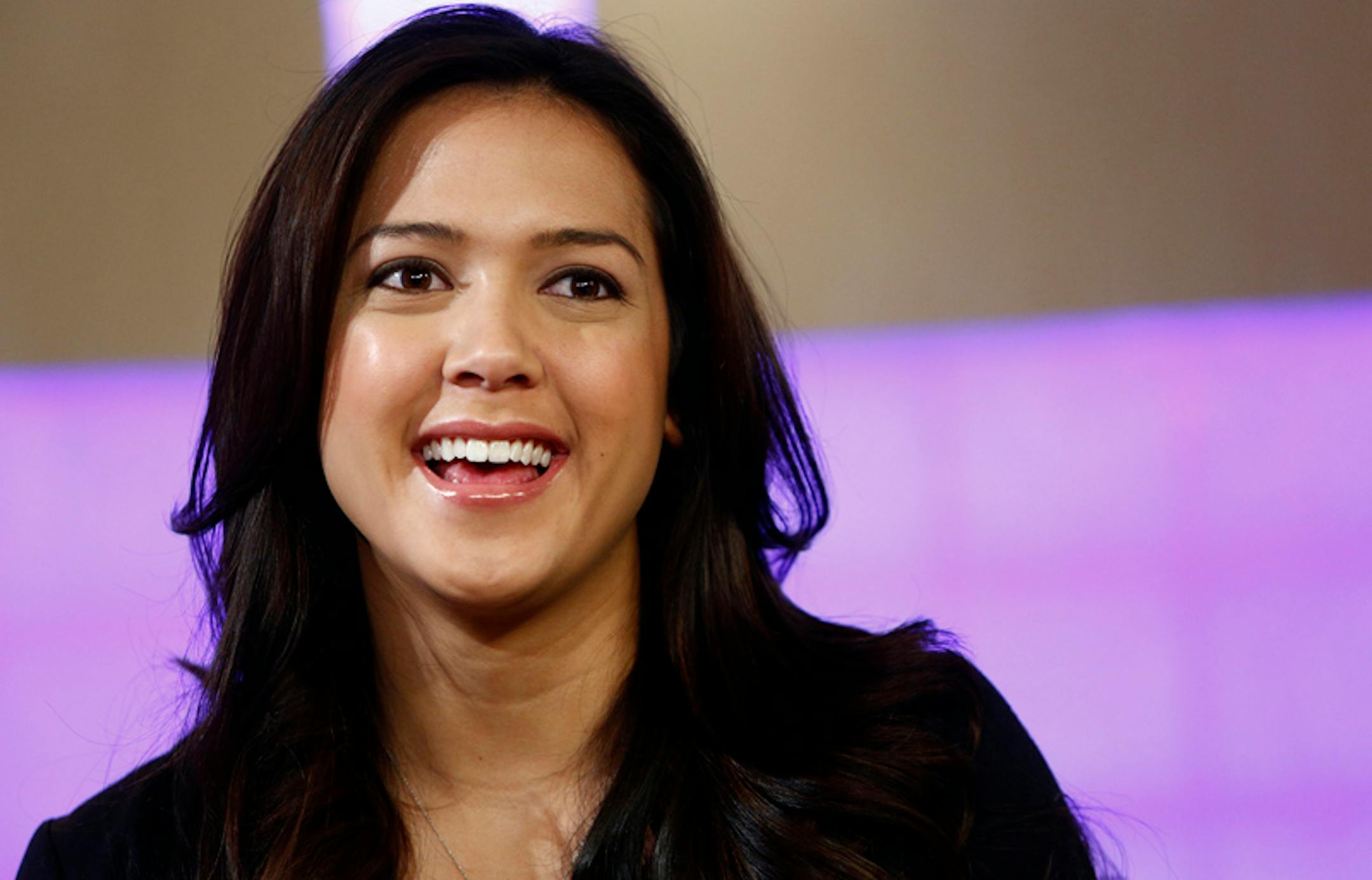
Earlier this month, when the website Deadspin.com broke the story of Manti Te'o's non-existent girlfriend, I heard from several friends, all with some version of the same message: "That girl in the hoax photographs looks exactly like you."
There was a reason for that. The photographs were of me, though I had no idea until the story broke that they had been used to create a false identity for a woman who never existed, Lennay Kekua.
Here's how it happened.
As someone in my mid-20s, I am of the generation that uses social media to connect with friends, family and business associates. Facebook, Twitter, Instagram: These are the ways we communicate. And like most of my generation, I didn't give a lot of thought to the word "friend" in the social media sphere. If someone sent me a friend request, more often than not I accepted it. As a result, I found myself with a lot of friends -- including some I barely knew. One of them was a guy with whom I had only a passing acquaintance, but who had gone to my high school.
I thought I had been careful with the privacy settings on my Facebook and Instagram accounts. I kept up with Facebook's privacy policies and took advantage of privacy tools. My private profile was not searchable by anyone who was not a "friend of a friend." I even limited access to photos of me that were posted by other people and tagged on my profile. And I made sure that every post and tag that was on my timeline was there because I allowed it to be there.
But, as it turned out, that wasn't enough. Even with restrictive settings, my wide circle of "friends" still had access to many pictures of me, and I had no control over what they did with those pictures.
One person abused that access. Many details remain unclear, but it now appears that the casual high school acquaintance whose "friend" request I accepted took my pictures, and they were used to create the fictitious persona of Lennay Kekua. The imaginary woman then became bait to hook a talented college football player, Manti Te'o, who became romantically interested in her. Ultimately, the scammer told Te'o the woman had died of leukemia, leaving the Notre Dame star apparently heartbroken on the eve of a big game.
All that I've just described occurred without my knowledge, and I still can't quite believe it all happened. But looking back on it now, there are things I wish I'd done differently, even though the precautions I took exceeded those of many Facebook users.