Hotels are in the business of making people feel welcome, relaxed and at ease. But in the past decade, hotel operators have had to figure out a way to throw out the welcome mat while ramping up security.
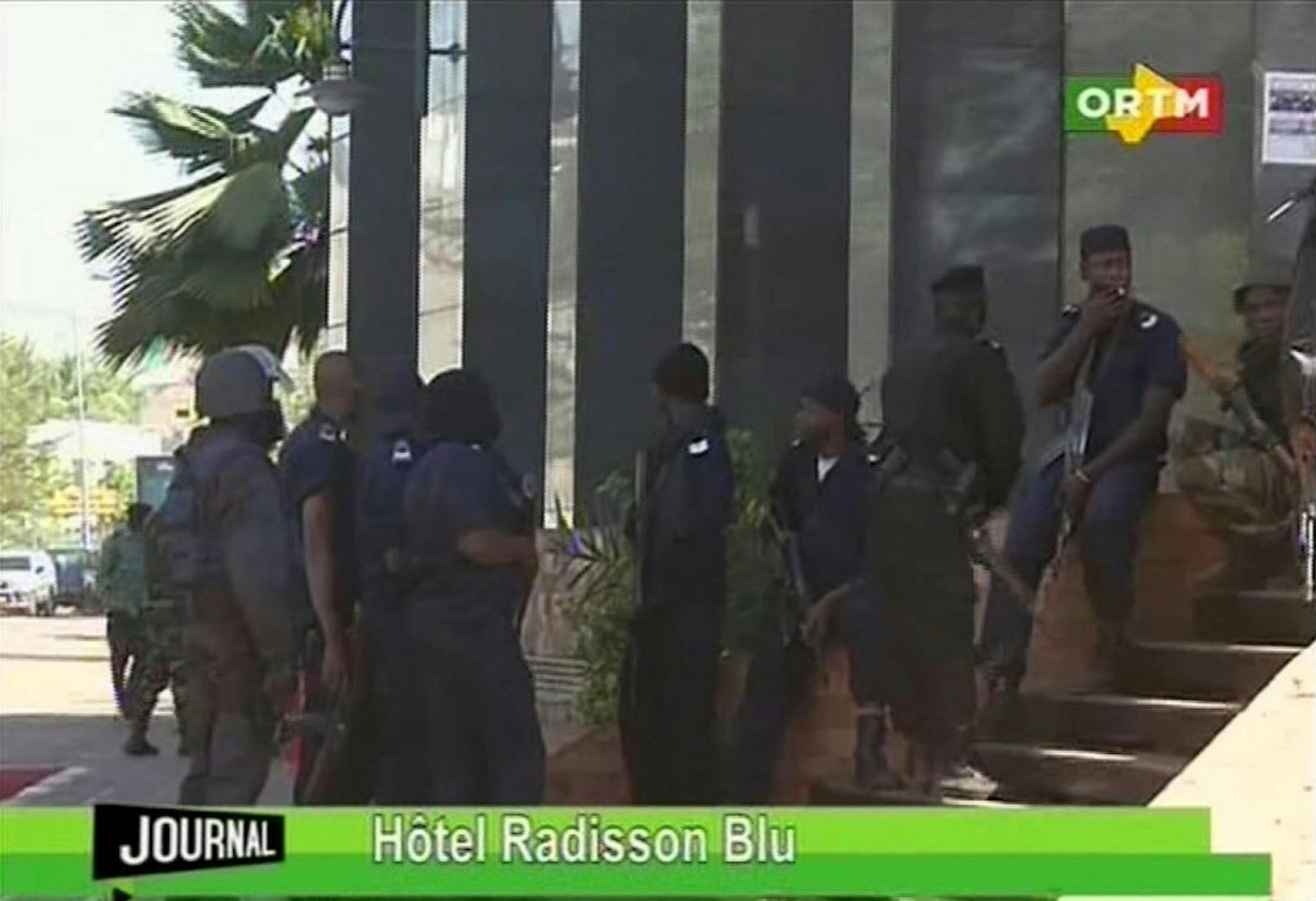
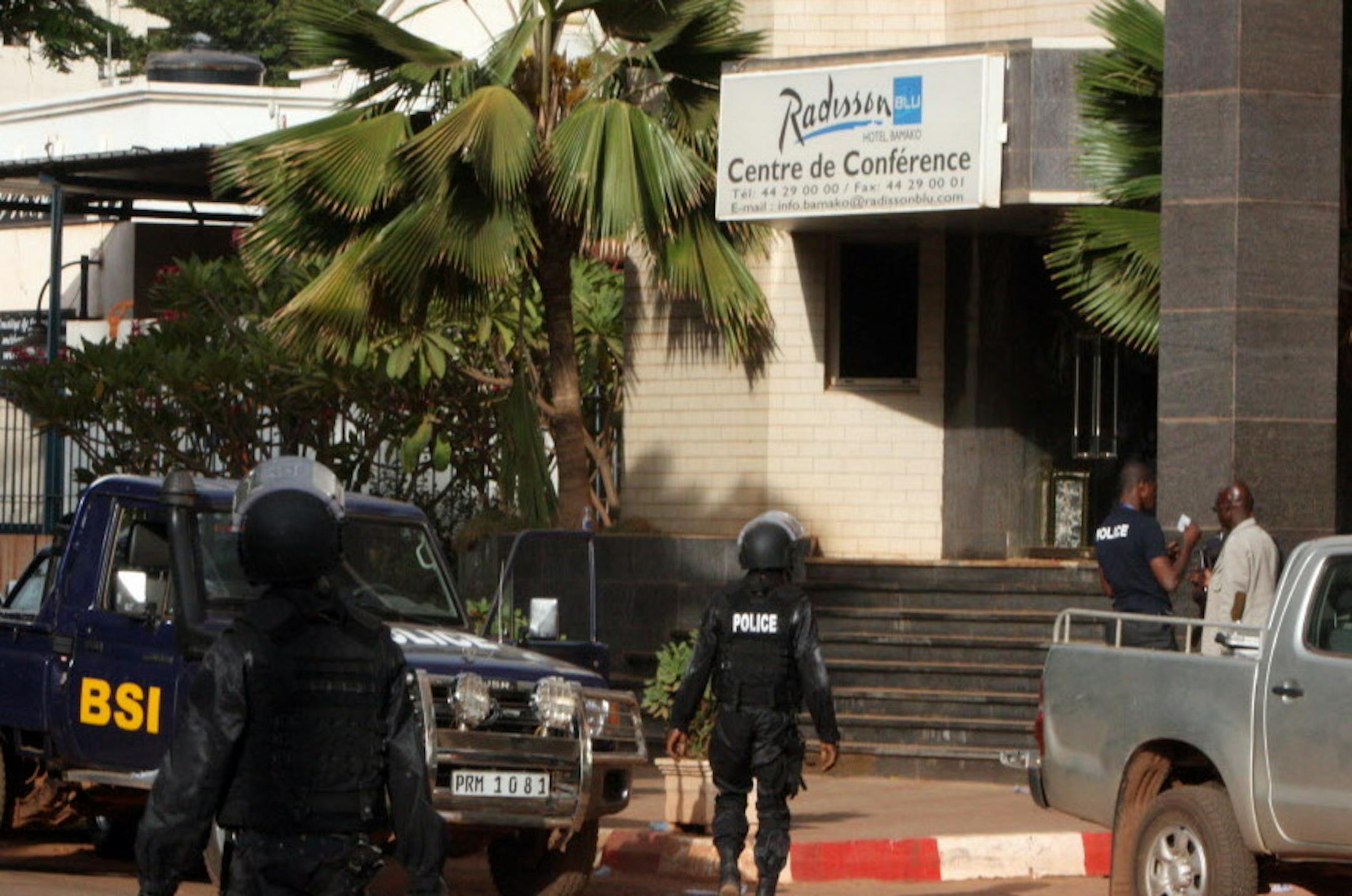
Staff must be able to handle a range of threats in circumstances that range from room break-ins and celebrity visits to the nightmare scenario that unfolded Friday at the Radisson Blu in Mali, where armed Islamic extremists attacked the hotel and took hostages. At least 20 people were confirmed dead as of Friday night.
"It's one thing for guys to hang out at the corner down the street and pickpocket the guests as they leave," said Kirby Payne, president of HVS Hotel Management. "Hotels have had to adapt to changing circumstances all over the world. The net result is that hotels and hotel companies have become very sophisticated about this issue."
Major hotel companies now have security departments focused on threat assessments, Payne said, including Marriott, InterContinental and Minnetonka-based Carlson Cos., which manages the Radisson Blu in Mali.
An entire industry has risen around risk management, travel security and training.
More hotels are outfitted with X-ray machines and magnetometers. Video surveillance cameras are standard fare, and some electronic locks track activity in and out of rooms.
Operators of luxury hotels feel more vulnerable because of their high-end clientele, but hoteliers need to be nimble enough to adjust to changing circumstances.
"It's all matter of what level of threat you have in that location," Payne said. "Even the Waldorf-Astoria has more security when something is going on at United Nations than if you have the marathon going on there."