

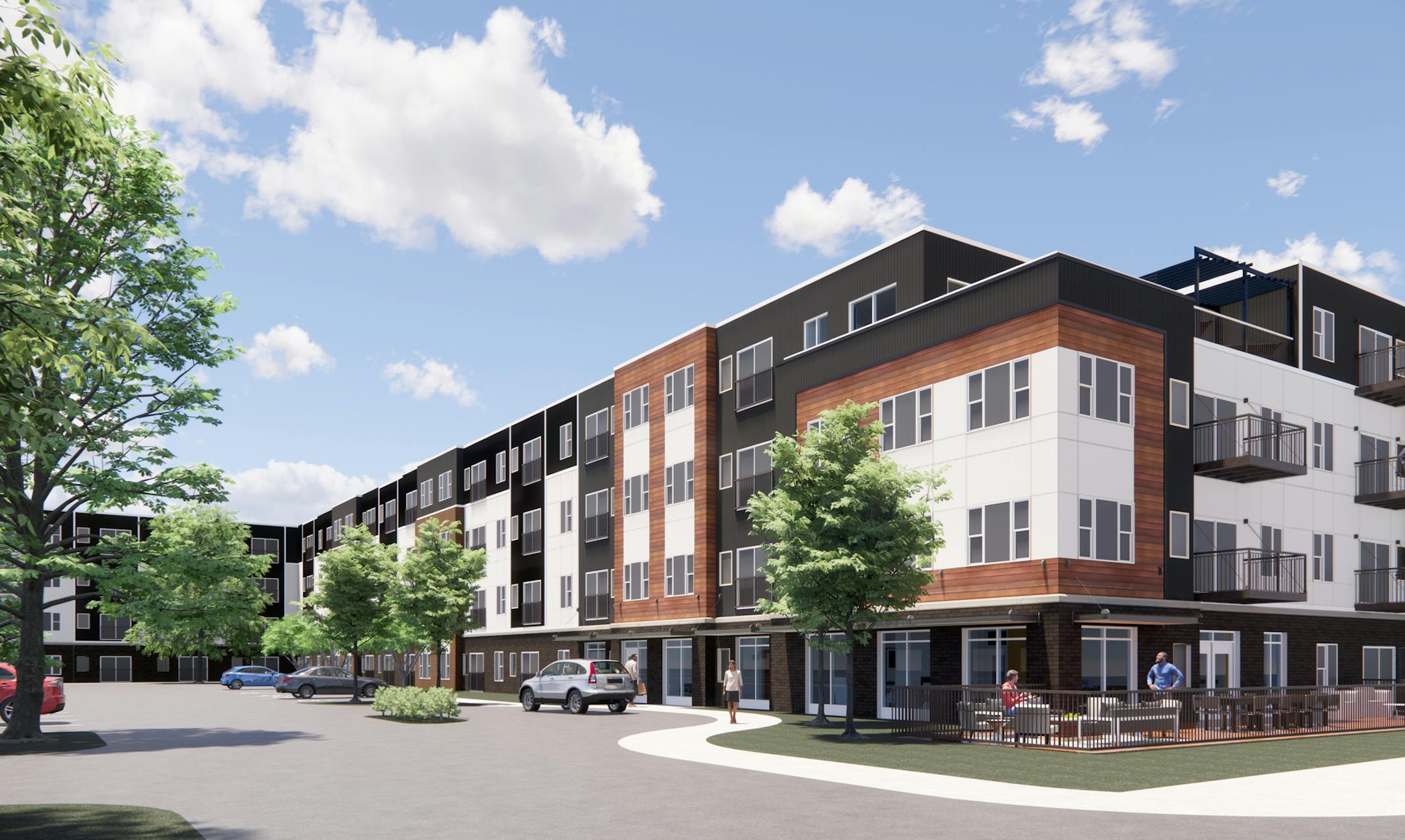
Big gains in new single-family and rental housing last month helped make it the best January in nearly two decades for Twin Cities homebuilders.
Last month, 572 permits to build 1,754 housing units were issued in the metro, according to data compiled by the Keystone Report for Housing First Minnesota.
That includes 541 single-family homes, 32% more than the previous year and enough permits to build 1,213 multifamily units — twice as many as the previous month and the highest monthly figure in at least a year.
"Our housing market is drastically undersupplied," said Todd Polifka, 2021 president of Housing First Minnesota and a Twin Cities builder. "That coupled with the low mortgage rates and many still working from home has the market moving at an incredible pace."
The supply of homes in the Twin Cities has been dwindling, increasing demand for new housing. Builders have had trouble keeping pace. At the end of 2019 nearly 2,800 new homes were for sale throughout the 16-county metro, but by the end of 2020 that number had declined to about 1,700, according to a year-end report from the Minneapolis Area Realtors released last week. In December alone there were 5,512 pending new single-family homes sales in the metro, a 27% increase over the previous year.
On the permit front, Minneapolis was tops in total planned units (377) followed by Fridley (335) and Lakeville (276).
The largest projects in Minneapolis were permitted by Frana Cos. to build 317 units. And in Fridley Ironmark Building Co. was issued two permits to build 335 units including the 262-unit Axel Apartments, a project that will cater to working-class renters who earn 80% of the area median income. The project, which is at the corner of University Avenue and NE. Mississippi Street, is expected to be completed in 2022.
After leading the construction industry out of the Great Recession, the rental sector is now showing some signs of volatility, especially in urban areas where developers have been building thousands of luxury rental units and demand has softened in the wake of the pandemic and rising crime. Many developers are shifting their focus to the suburbs where there's been relatively little new construction.


