
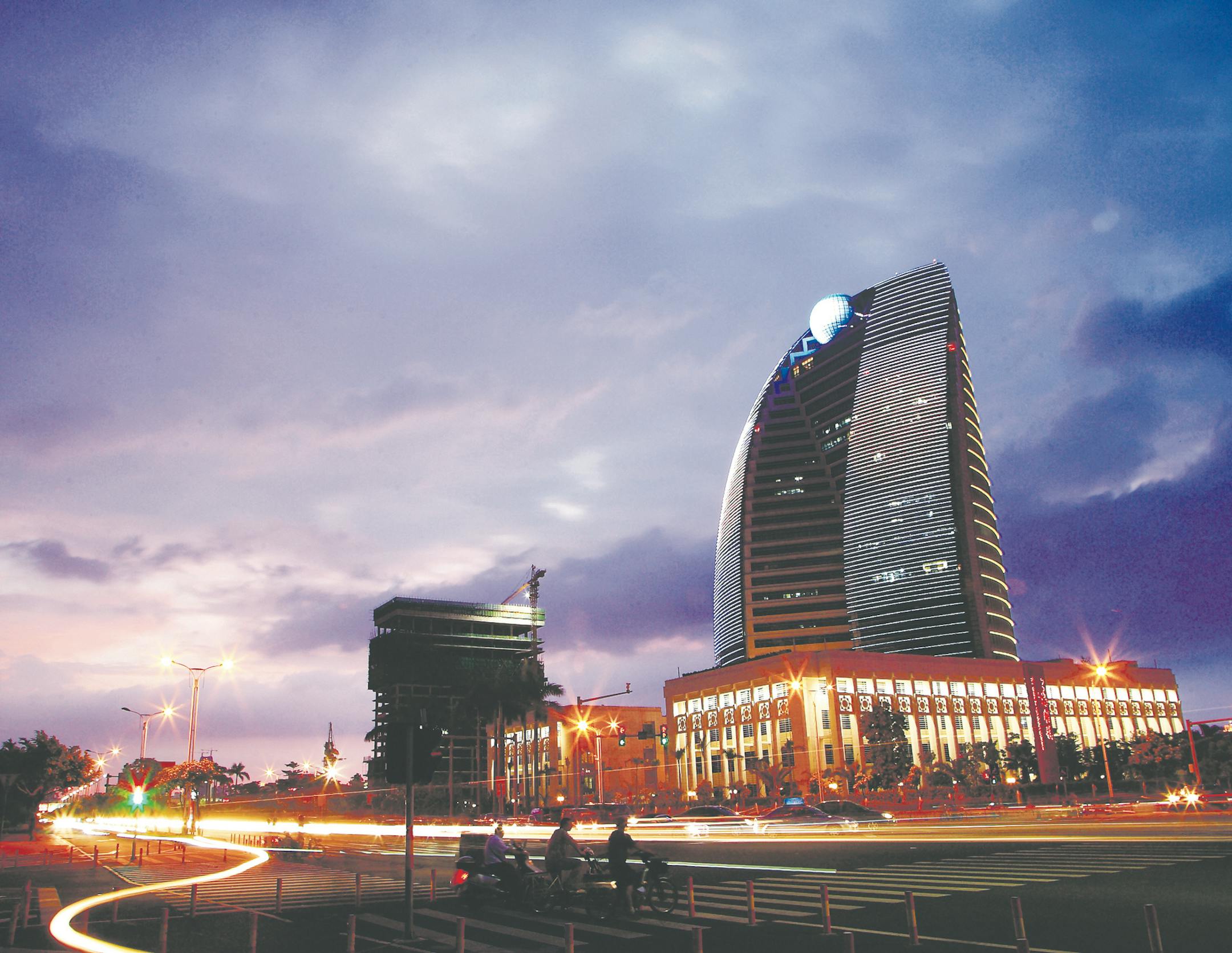
HNA, owner of Carlson Hotels and a sprawling travel portfolio, isn't a typical Chinese state enterprise

China's HNA Group has distinguished itself from state-owned enterprises.

April 17, 2017 at 8:50PM
HNA Group is a conglomerate grew and prospered against the backdrop of Chinaís reform and opening up. Debut flight on May 2, 1993 signifies the beginning of its undertakings. In over 20 years, it has created a miracle in the business community, successfully transforming from a traditional aviation company to a conglomerate, from Hainan Island to the globe. It is committed to create a new business culture featuring socialist values and modern corporate system, a distinct operation and manage
Most of HNA Group’s deals have been in industries adjacent to its core business, such as travel, tourism and logistics. (The Minnesota Star Tribune)

Now it is a conglomerate with more than $100 billion worth of assets around the world. But HNA Group started life as a small local airline.

Chen Feng, the Chinese company's founder, led a coalition including private investors and the government of Hainan, a southern province, to launch Hainan Airlines in 1993.

Despite some help from the local government, the upstart firm was an outsider then. The central government chose three big state-run airlines to receive favored landing slots, lavish subsidies and other advantages. The scrappy Chen was undeterred. With $25 million in early funding from George Soros, an American billionaire, he carved out a profitable niche.

Since then, HNA has grown quickly, mainly through acquisitions. It reported revenue of 600 billion yuan ($90 billion) last year. In 2016, it acquired Minnetonka-based Carlson Hotels, a 25 percent stake in Hilton Worldwide for $6.5 billion and paid $10 billion for the aircraft-leasing division of CIT Group, a New York-based financial firm. Last week, it bid nearly $1 billion for Singapore's CWT, a logistics company.

Most deals have been in industries adjacent to its core business, such as travel, tourism and logistics. But some recent purchases have raised eyebrows for being more distant. It spent $6 billion last year on Ingram Micro, an information-technology outfit based in California. Money has also gone into Deutsche Bank. It is rumored to be bidding for Forbes, an U.S. business magazine. Some people suspect that these deals chime with China's industrial policy more than HNA's own corporate logic.

Yet HNA is not a classic state-owned enterprise. The Hainan government retains a big stake in it, but HNA has traits that distinguish it from state-owned enterprises, which tend to be sclerotic and run by bureaucratic gray men.

It has adopted professional management practices. Chen has trained his employees in Six Sigma, a management method popularized by Jack Welch, a former boss of General Electric, to eliminate waste, and in a financial methodology that scrutinizes investments for economic value added. Hainan Airlines is considered the best Chinese airline.

Chen, a Buddhist scholar, has also imprinted traditional Chinese philosophies onto the company's culture. When it takes over a firm he leads new executives in a recitation of HNA's core values, which include "love and devotion." HNA typically does not fire the top brass at firms it acquires, nor does it force big layoffs.
Chen certainly seems skillful at managing the Chinese authorities. HNA is presenting a bid for CWT as part of President Xi Jinping's "One Belt, One Road" geopolitical strategy, for example. It is clever to play the political card given that the state is tightening control of outbound investment, which could hamper the company's style, notes a Chinese business expert. A clampdown on foreign deals by Chinese regulators, who are worried about capital outflows, has led to the cancellation of dozens of announced acquisitions by Chinese firms.

But HNA is having no trouble getting the money and approval to do lots of big deals — it has spent more than $40 billion on acquisitions in the past three years. Indeed, Chen appears to have the advantages of a state firm, including cheap access to capital, without the disadvantages, such as officials telling him how to run his company, says a seasoned China hand. In this, he reckons, HNA is becoming "a lot like Huawei," a telecoms-equipment firm.

Chen should be flattered by the comparison to one of the country's most successful multinationals. But he should also recall that a backlash against Huawei's perceived closeness to China's leadership led to its blacklisting by the U.S. government.


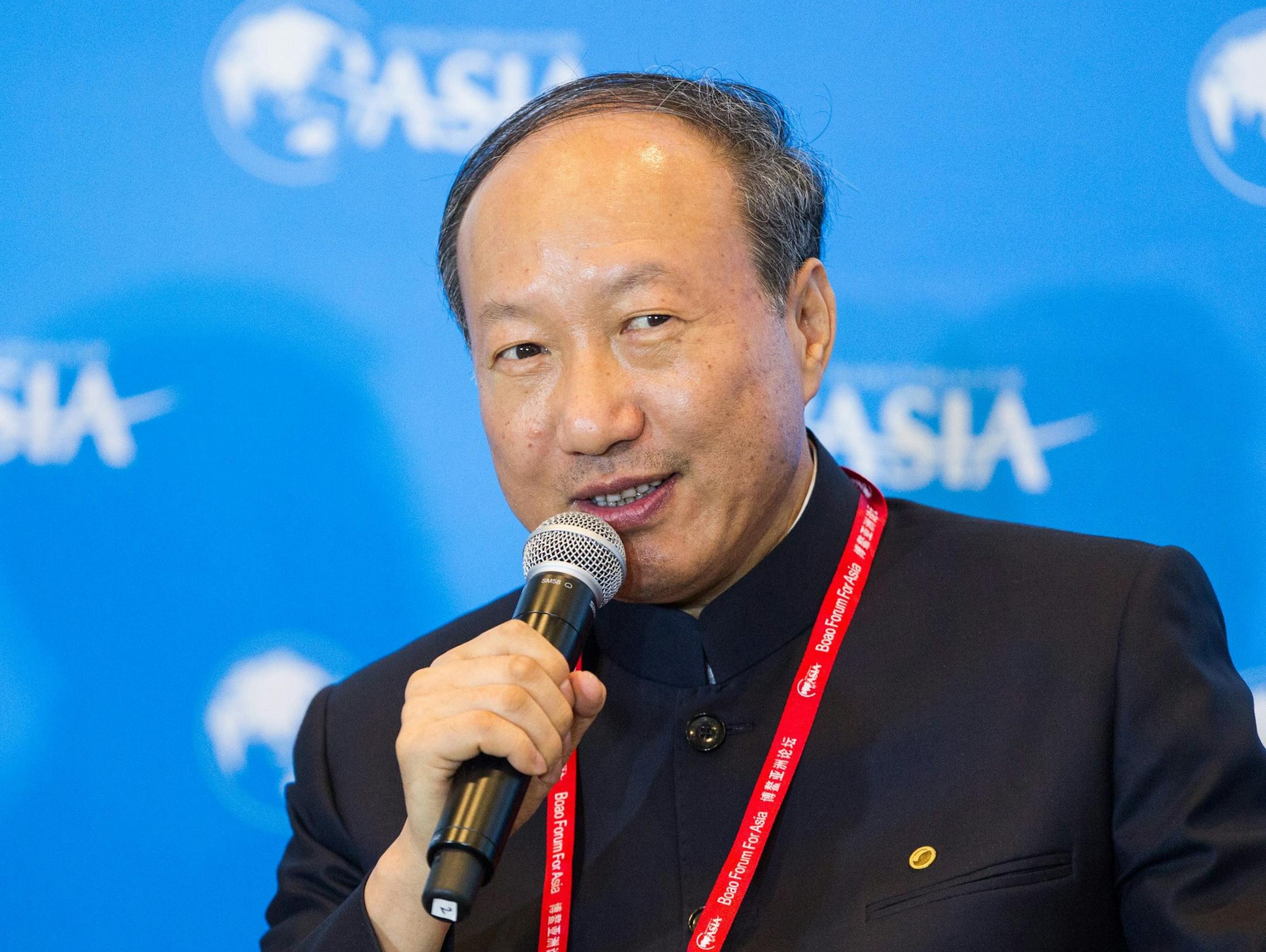
--FILE--Chen Feng, president of HNA Group, speaks during a sub-forum during the Boao Forum for Asia Annual Conference 2013 in Qionghai, south Chinas Hainan province, 5 April 2013. HNA Aviation Technik Co Ltd, the aircraft maintenance and engineering subsidiary of HNA Group, plans to be listed independently, the companys chief executive officer said. The company does not have a specific timetable for the listing, but it is actively preparing, said Cao Fenggang, vice chairman and CEO of HNA Techni
Rising quickly: Chen Feng founded HNA Group as a small airline, Hainan Airlines, in 1993. It has since grown quickly through acquisitions — including Carlson Hotels — and reported revenue of $90 billion last year. (The Minnesota Star Tribune)
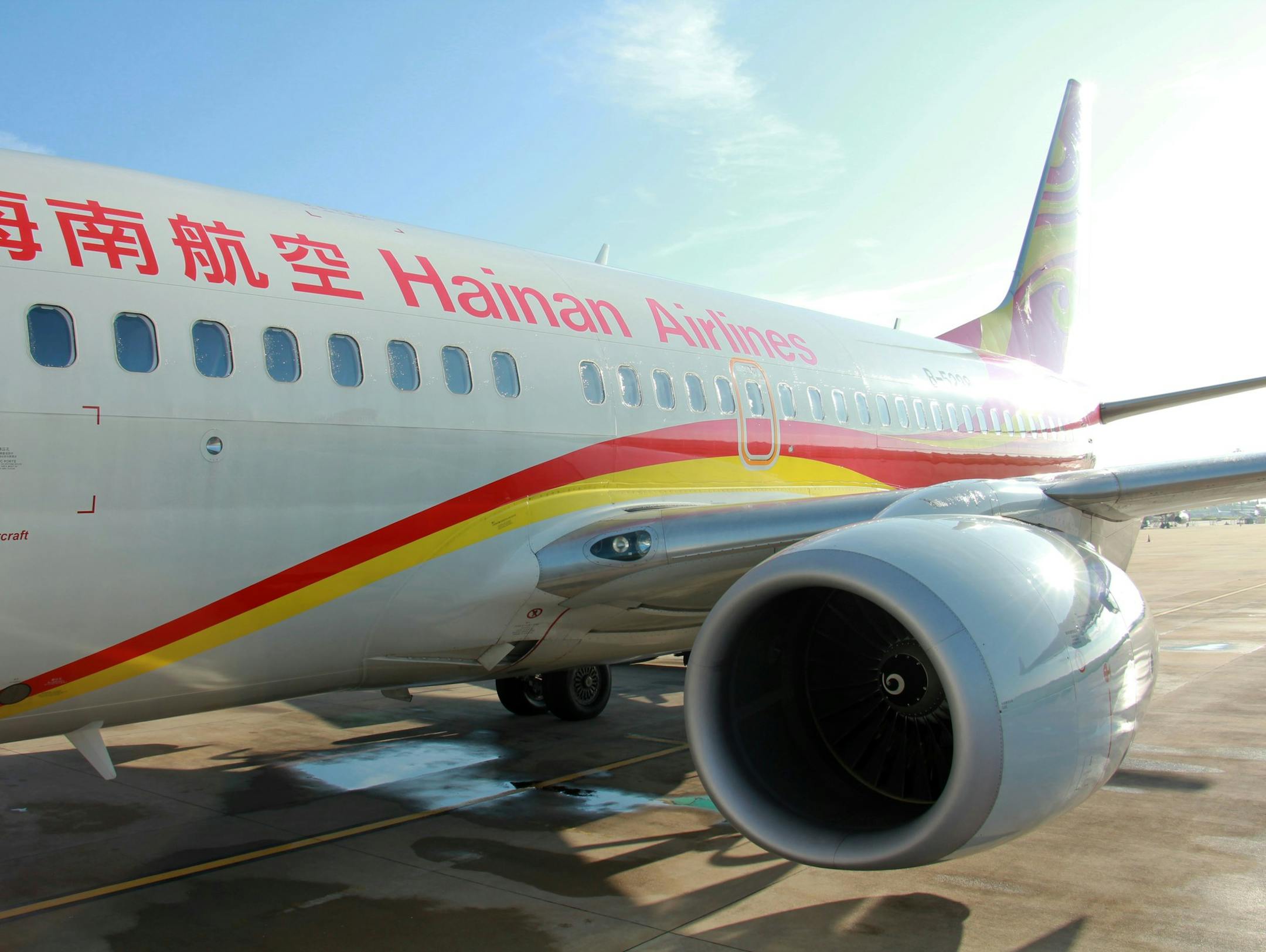
--FILE--A jet plane of Hainan Airlines of HNA Group is pictured at the Haikou Meilan International Airport in Haikou city, south China's Hainan province, 19 September 2015. Rolls-Royce Holding Plc signed an agreement with HNA Group for engine services worth $2.4 billion during President Xi Jinping's visit to the UK. The agreement will power a total of 44 aircrafts, which have already been ordered by HNA Group's airlines subsidiaries. The agreement covers Trent 700 engines and TotalCare service s
A Hainan Airlines jet at the Haikou Meilan International Airport in Haikou city, south China’s Hainan province. (The Minnesota Star Tribune)
about the writer

about the writer

Economist

More from Business

See More
card image
Aaron Lavinsky/The Minnesota Star Tribune

New York-based investment firm Taconic Capital and developer Polaris Properties were optimistic after the 17-story west tower’s renovation completed in late 2024. But tenants were hard to land.

card image
card image