

Opinion editor’s note: Strib Voices publishes a mix of guest commentaries online and in print each day. To contribute, click here.
•••
Like other Minnesotans, I will never forget the events of the 2025 legislative session. In the first partisan split in the House since 1979, the session started with a vacated seat, a three-week DFL boycott over quorum agreements and a special election date denied by the state Supreme Court. It ended days before the horrific political assassination of House Speaker Emerita Melissa Hortman and her husband, Mark. However, I will also remember this year for another reason: I, despite only being a junior in high school, convinced legislators to pass my own piece of legislation during one of the most unstable sessions in Minnesota political history.
The bill, later informally referred to as the “Students Committed to Overdose Prevention and Education Proposal,” outlined the addition of naloxone training in Minnesota’s public, charter and tribal contract middle and high school health classes. It focused on overdose recognition, prevention and response curriculum.
I have been passionate about this topic for as long as I can remember, seeing addiction ravage the lives of relatives and friends in patterns of drug use across my school and extended family. Since the beginning of the war on drugs more than 50 years ago, there have been countless efforts to stop drug trade and use, but very little has been done to teach the population what to do when these emergencies devastatingly, yet almost inevitably, occur.
In November 2024, I was invited to the Catalyst for Systems Change (CSC) second annual Changemakers Program. Targeted towards expanding youth influence in politics, the event brought together more than 65 high schoolers from across the state and invited us to share causes we felt passionate about. These topics would be voted on by the attendees to decide which would be prioritized by the CSC and turned, with their hard work, into bills. I pitched my idea to a full room of my peers, legislators and volunteers — it was the highest-voted concept that day.
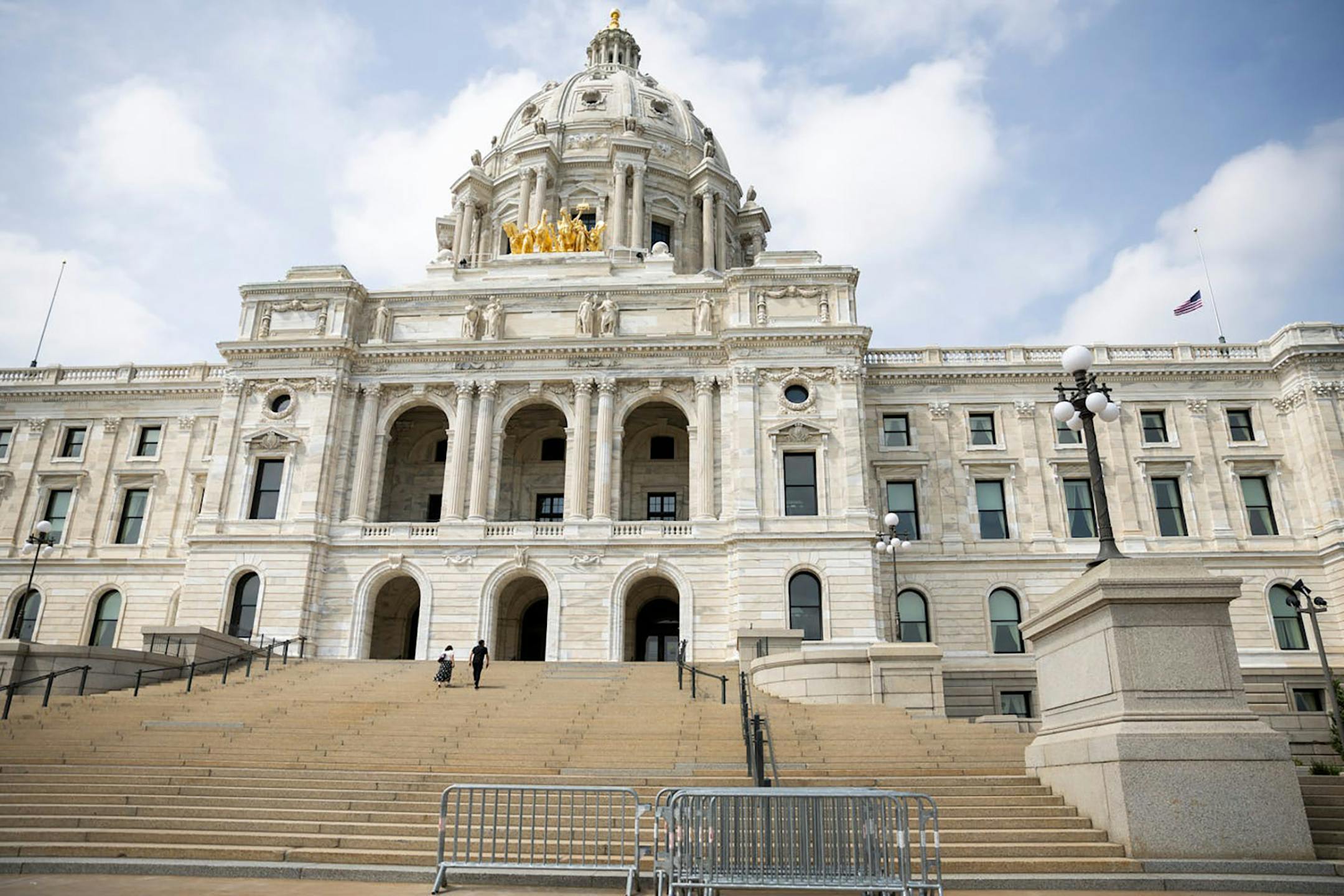
Through a six-month process of countless meetings, emails, calls, newspaper articles and visits to the Minnesota State Capitol with CSC director Khalique Rogers, the bill progressed through the legislative system with bipartisan support. In such a divisive, polarized political climate, it was liberating to see such powerful people come together over an idea — my idea.
There’s also something profound about learning in an environment so authentic. Arguably the greatest thing to ever happen to elementary school social studies, “Schoolhouse Rock,” taught me how a bill becomes a law and how the three branches of government work — but I never knew how much truly went into the creation of legislation until I participated. We brought together a coalition of medical doctors, community members and other young people. Overdose prevention advocates and nonprofits such as the Steve Rummler HOPE Network supported us in crafting the bill’s language and testimony. I pushed the bill to committees, cornering state Sen. Steve Cwodzinski, DFL-Eden Prairie, at the Minnesota Civic Seal legislative breakfast. Speaking with a staffer on the senator’s phone, I asked for our bill to be put on the docket. As Cwodzinski left, he turned back, pointed at me and declared, “You’re saving lives, kid.”


