Anxious federal workers fear shutdown furloughs could be permanent

As Congress voted down more proposals to fund the government, President Donald Trump’s statement that he will make more job cuts has added to the unease. Minnesota is home to more than 30,000 federal workers.

October 2, 2025 at 11:00AM
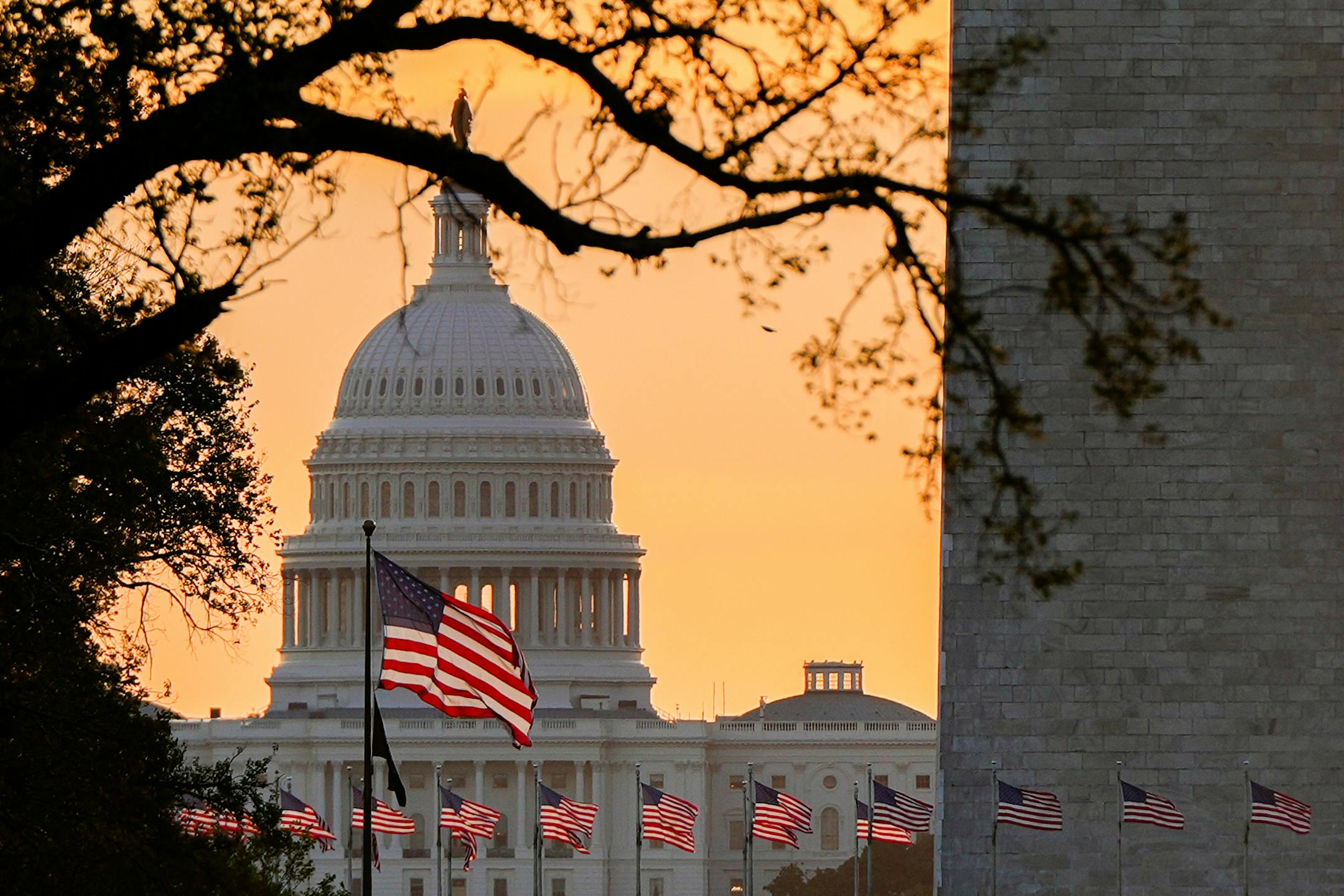
After Congress failed to pass two bills on Wednesday that would fund the government, a shutdown continues, adding anxiety for federal workers. (Julia Demaree Nikhinson/The Associated Press)

For Ted Gostomski, a Wisconsin-based biologist studying the Great Lakes region, the federal government shutdown adds to the uncertainty he has felt about his job since President Donald Trump took office.

“Everybody’s worried,” said Gostomski, whose office, deemed nonessential, closed Wednesday as the government shutdown took effect.

Similar scenes played out in federal offices across Minnesota and the rest of the country on Wednesday. Government shutdowns trigger furloughs for all federal employees, except those in essential roles.

Federal workers are not strangers to periodic budget cuts and layoffs. But this shutdown, following on the heels of Trump’s cuts earlier this year to the federal workforce, has workers more on edge given the president’s promise to use the shutdown to further downsize the government.

While federal workers traditionally have been paid when the government reopens, Sen. Tina Smith, a Democrat from Minnesota, said their pocketbooks are affected now: “That’s a real cash flow issue for people.”

More concerning, she said, are Trump’s statements around downsizing during the shutdown.

“That would be illegal,” Smith said.
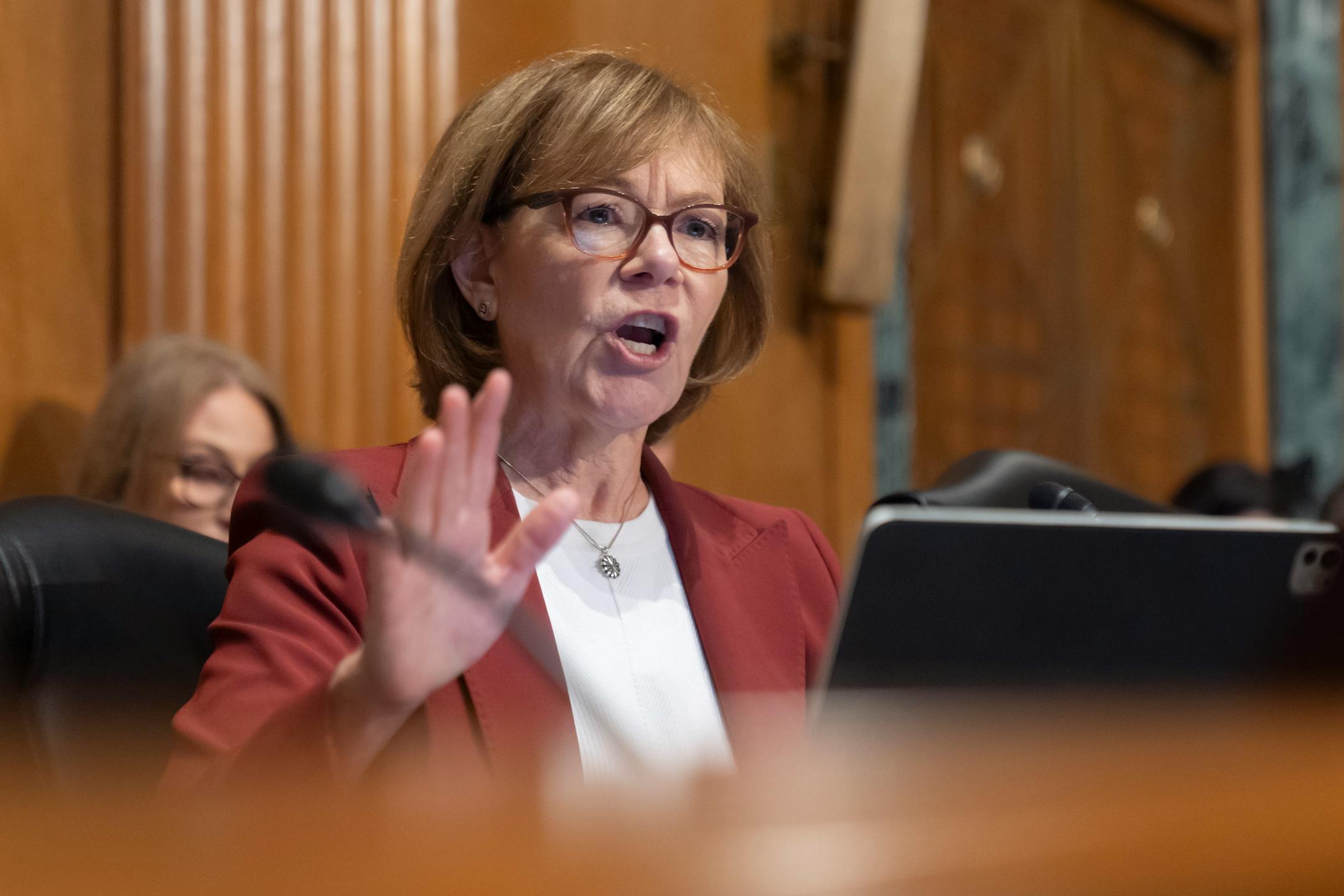
Sen. Tina Smith said while furloughed workers will eventually be paid, it creates a hole in their budgets now. More concerning, she said, are President Donald Trump's statements that he will downsize government more during the shutdown. (Mark Schiefelbein/The Associated Press)

Trump said this week that he believes enacting cuts during the shutdown are within his authority.

Dueling proposals to end the government shutdown failed in the U.S. Senate on Wednesday, with Democrats and Republicans digging in for what could be an extended fight. While critical services continue to operate, including mail service, Social Security and Medicare benefits, a sprawling mass of other federal functions ground to a halt.

Nicolette Shegstad, like thousands of other employees, served her last day as a government employee on Tuesday. She was first fired from her Internal Revenue Service job in February as a probationary employee in St. Paul.

Then, by court order, she was rehired. But supervisors strongly suggested she take a buyout offer.

Shegstad now wonders if she will ever get her last paychecks. Starting Wednesday, she was supposed to start receiving $5,700 in back pay and benefits from the first firing.

Six other Twin Cities IRS employees are in the same boat, she said.

Shegstad is trying to stay calm but says she’s experiencing heartburn and sleepless nights.

“I’m frustrated and sad,” she said. Of 10 IRS agents and assistants in the St. Paul office, she said, only three are left on the payroll after Tuesday.

Nicolette Shegstad's last day on the federal payroll was Tuesday after she took a buyout. The Internal Revenue Service worker worries that the shutdown will affect paychecks for back pay and benefits. (Elizabeth Flores/The Minnesota Star Tribune)

Ruark Hotopp, a vice president with the Midwest unit of the 800,000 member American Federation of Government Employees (AFGE), is skeptical Shegstad and other federal workers in similar positions will ever receive the pay they are owed.

He said AFGE is also concerned there will be permanent cuts during the shutdown.

In January, Minnesota had 33,700 federal workers, according to the state Department of Employment and Economic Development. In August, the workforce was down to 32,600.

The data does not include the workers like Shegstad whose last day on the federal payroll was Tuesday.

The shutdown, the first in nearly seven years, furloughed hundreds of thousands of workers and disrupted services across the government, including federal court cases, assistance for veterans, grants for education, cleanup at Superfund sites and economic analysis for reports like the jobs data, which is scheduled for release on Friday.

A Twin Cities-based U.S. Department of Agriculture employee, who spoke under conditions of anonymity for fear of retaliation, said she tried submitting her time sheet Wednesday morning but could not because the system was crashing.

She had yet to receive instructions on what she and her colleagues were supposed to do. There was an email from the USDA that blamed congressional Democrats for the shutdown, said the worker.

She has bills to pay and family financial obligations, and worries that a lengthy furlough might prevent her office from receiving owed back pay.

“I am super stressed out,” she said. “I feel like the Republicans, particularly, don’t see federal employees as people.”

Republicans say workers should be blaming Democrats who are insisting on changing health care budgets that were passed over the summer in the federal budget bill.

“Sadly, Democrats in Congress are holding government funding hostage in an attempt to force the American taxpayer to fund a $1.5 trillion partisan wish list,” said Rep. Pete Stauber, a Republican who represents a district that stretches from the northern suburbs to the Canadian border.

Jeff Anderson, president of the 10-worker Atek Distribution wholesale business in New Hope, is worried he won’t be paid for $477,000 worth of circuit breakers he is under contract to deliver to Defense Land and Maritime Active Devices Division in California.

Atek started supplying the government electrical and piping supplies in July. Already, Anderson said, he is waiting to be paid $16,000 for circuit breakers he shipped to the USDA three months ago.

If he doesn’t get paid, he can’t pay his manufacturer, he said.

“I’m trying to find out what’s going on with it,” he said. “Now with the government shutdown, that’s going to be more difficult.”

Gostomski, the biologist at the Great Lakes Inventory and Monitoring Network in Ashland, Wis., said he and his colleagues continue to worry about job stability.

The office conducts research and does surveys for many national sites including Voyageurs National Park, Mississippi National River & Recreation Area and St. Croix National Scenic Riverway.

“We’ve been doing this now since January, and we’ve gotten to the point where, until we get official word, there’s nowhere for us to go,” Gostomski said. “So we’re just carrying on.”

Jana Hollingsworth and Kyeland Jackson of the Minnesota Star Tribune, and the New York Times contributed to this story.

about the writers

about the writers

Dee DePass

Reporter

Dee DePass is an award-winning business reporter covering Minnesota small businesses for the Minnesota Star Tribune. She previously covered commercial real estate, manufacturing, the economy, workplace issues and banking.

See Moreicon

Christopher Vondracek

Washington Correspondent

Christopher Vondracek covers Washington D.C. for the Minnesota Star Tribune.

See Moreicon

More from Business

See More
card image
Hormel headquarters in Austin, MN. ] GLEN STUBBE * gstubbe@startribune.com Friday September 11, 2015 Despite woes throughout the food industry, partly due to consumers turning away some from processed foods, Hormel has managed to continue prospering -- even though a good part of its business -- Spam, chili -- is about as processed as you can get. But the company's turkey and pork offerings are riding a hot protein trend. And over the past two years, it's made some of the biggest acquisitions in