

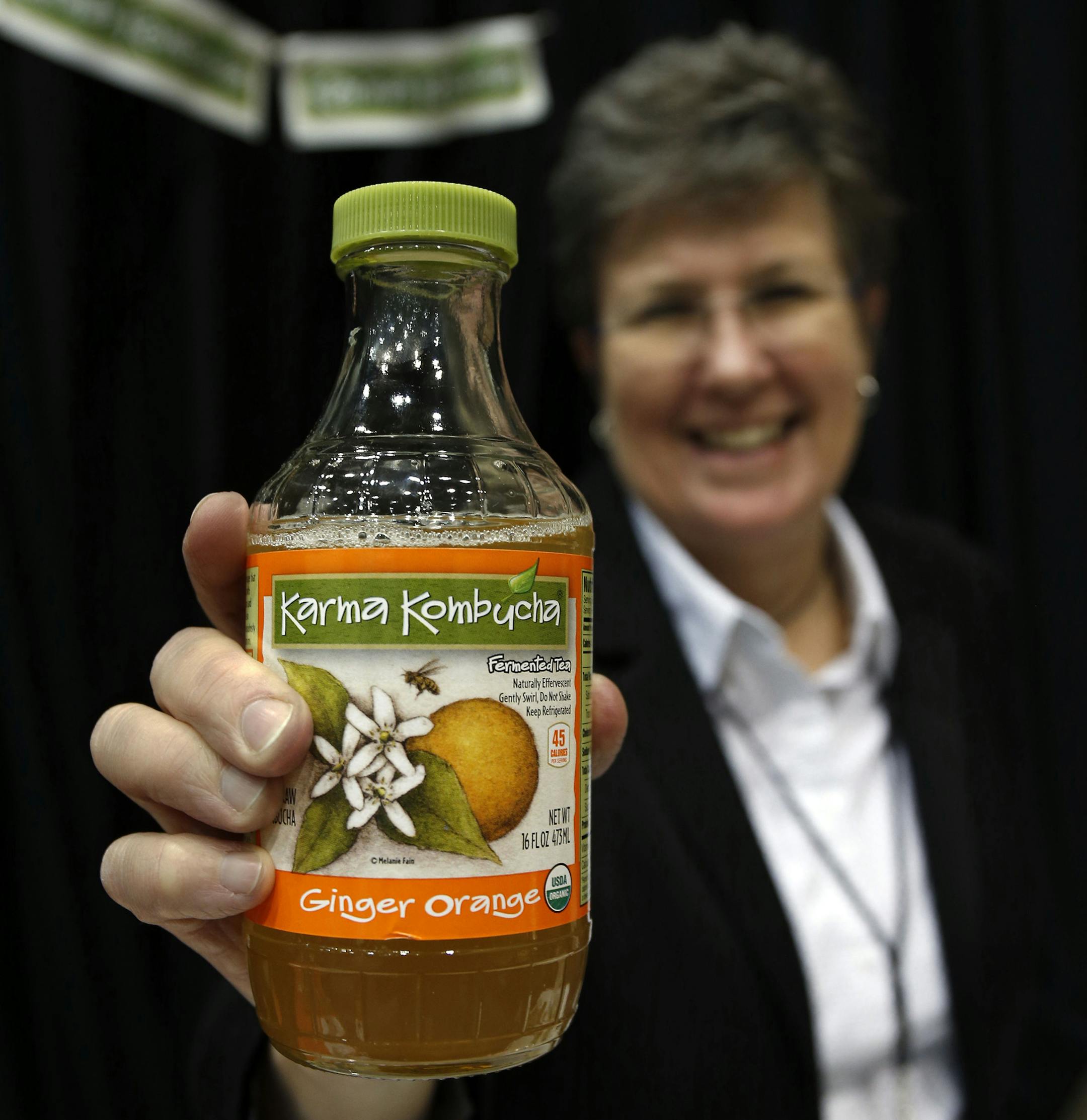
Susan Fink is the founder and, for now, sole employee of Karma Kombucha.
Fink was one of a handful of entrepreneurs pitching to investors at the financing and innovation conference at last month's Good Food Festival, a three-day trade show in Chicago that's dedicated to connecting business owners with investors. From crêpes to craft cider, all of the businesses seeking money were aligned with the festival's definition of "good food" — somewhere in the mix of local, healthy and sustainably produced.
That such a day even exists is a sign of how the food industry has changed. The shift has forced large-scale transformation throughout the food supply chain, and the dollars have followed.
"There's a lot more money in the room and the deals are far more sophisticated, in part because of the [Good Food Business Accelerator]," said Jim Slama, founder and president of FamilyFarmed, the nonprofit that organizes the Good Food Festival, which began in 2004. Slama runs a 2-year-old business tech incubator in downtown Chicago. The incubator connects nascent companies to a network of mentors and resources to help them grow.
"It's all about telling your own story. You know it better than anyone else," said Fink, 56.
Fink used to lead an innovation team for Kraft Foods before being laid off in 2010 after 26 years there.
Fink had used kombucha, a fermented, slightly bubbly tea drink, as part of her training regimen for a triathlon and began brewing her own, trying to improve upon the taste.
Fink and her wife, Michele Dziaba, another former Kraft employee, spent about $500,000 of their own money — retirement savings mostly — to build a brewing facility just a few blocks from their home. Fink works seven days a week, producing about 750 gallons of certified organic Karma Kombucha per month for Chicago-area grocers.


