
From chaos to radio silence: How ICE tactics changed in weeks leading to Homan announcement

In recent days, observers have noticed a shift in methods.

The Minnesota Star Tribune
February 14, 2026 at 12:00PM
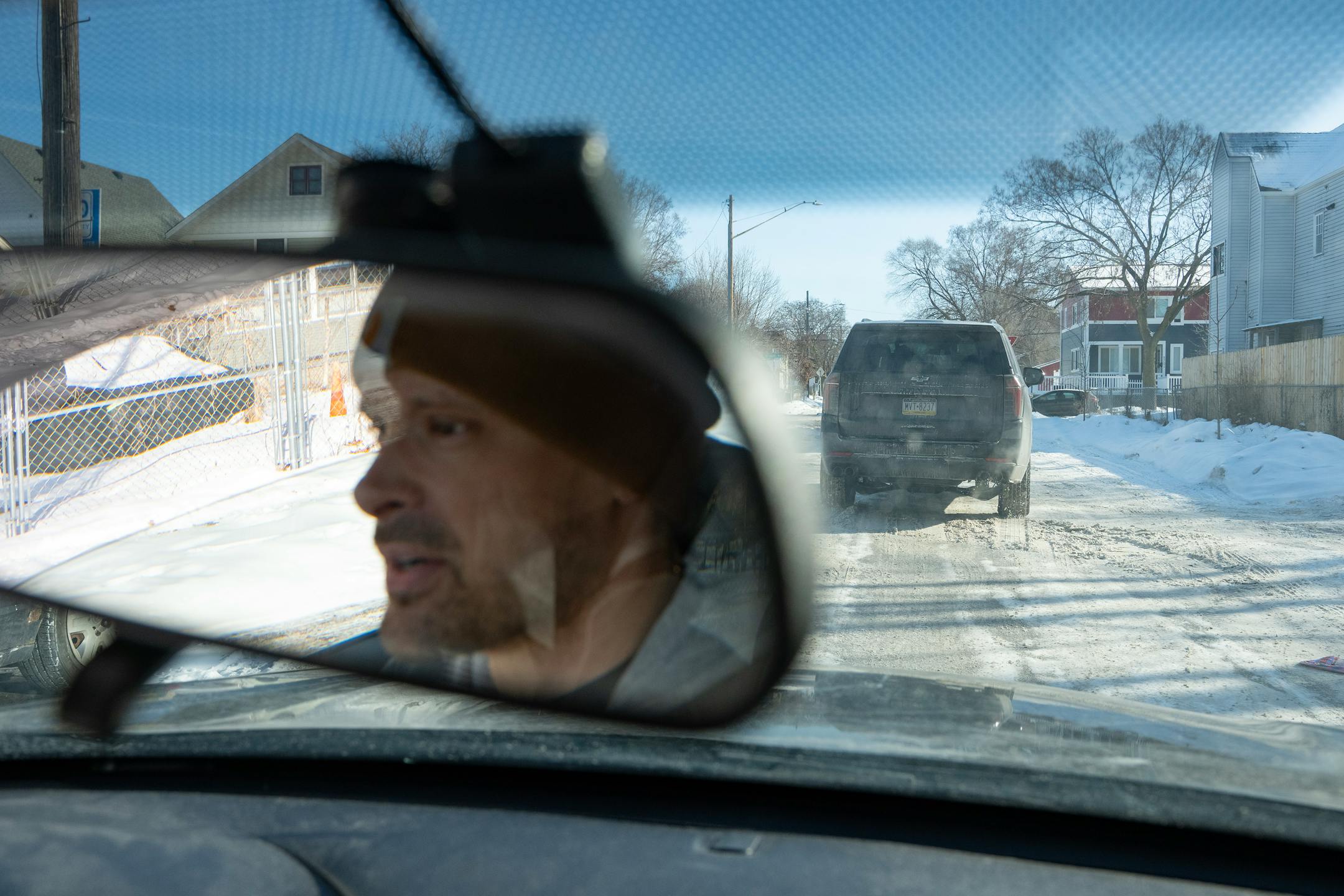
Kaegan Recher, a commuter and volunteer community observer, follows a vehicle driven by U.S. Border Patrol agents through South Minneapolis, Minn. on Tuesday, Feb. 3, 2026. (Alex Kormann/The Minnesota Star Tribune)

The Signal group chats were quiet as Kaegan Recher drove through south Minneapolis Thursday morning, a stark contrast to a week earlier when agents pointed guns at observers and tackled protesters.

Recher was on his daily volunteer observer patrol when border czar Tom Homan announced that Operation Metro Surge — the Trump administration’s months-long federal immigration crackdown that brought thousands of agents to Minnesota —would come to an end.

Recher and the network of ICE watchers greeted the news with cautious optimism, but less than two hours later, notifications flooded in that agents had pulled over two Latino men in a pickup truck in northeast Minneapolis, put them in handcuffs and taken them to the federal Whipple building.

icon1:47
Keagan Recher on ICE patrol on Thursday, February 12

Recher, who has gone on patrols daily to observe ICE activity, said it’s another reason he’s skeptical about whether the operation is actually ending.

“Time and time again, what we’ve seen is the reality on the street is very different,” he said. “At this point for everybody in the city, the mentality is, ‘We’ll believe that when we see it.’”
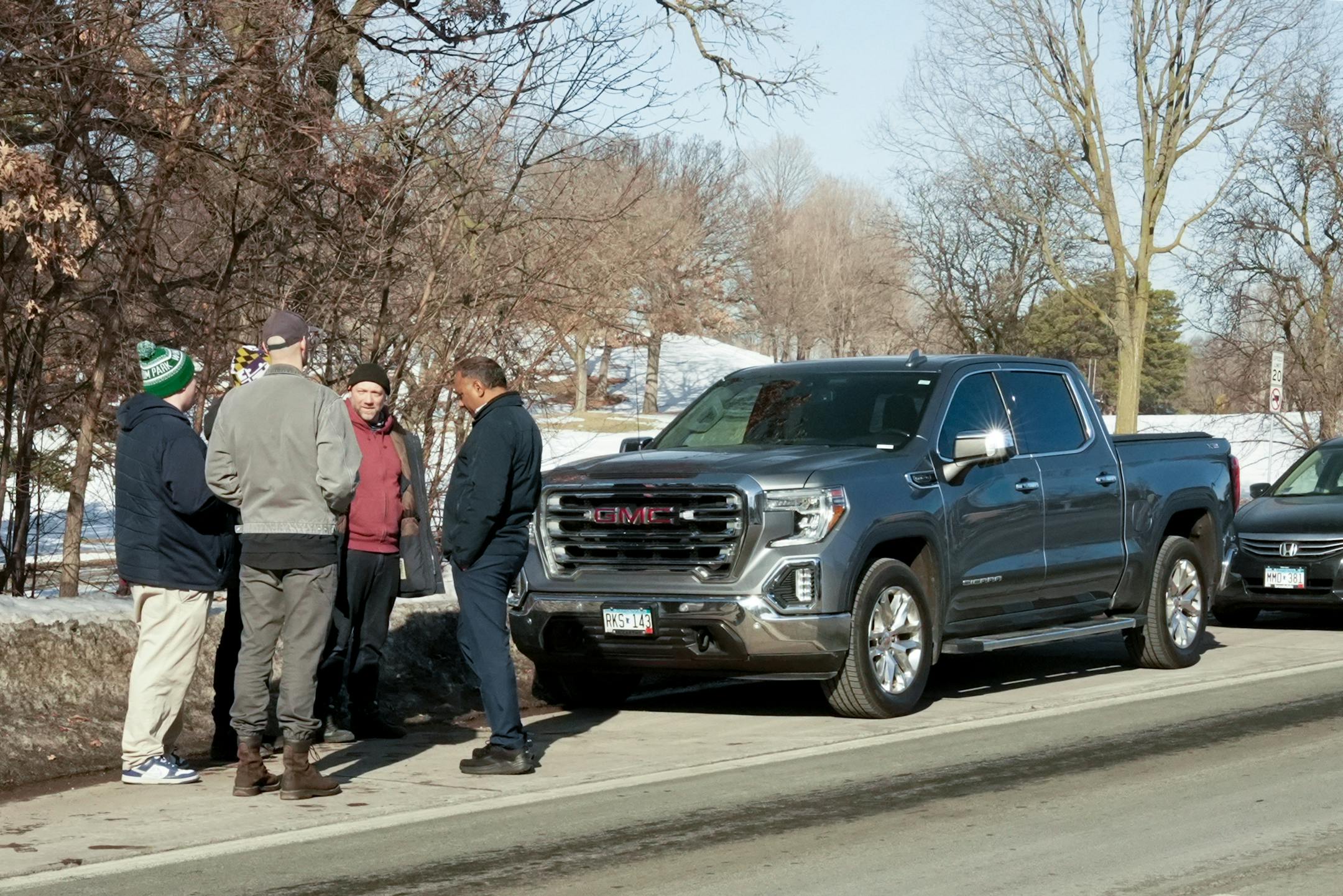
Shortly after border czar Tom Homan announced on Feb. 12 that Operation Metro Surge would come to an end, agents pulled over two Latino men in a pickup truck in northeast Minneapolis, put them in handcuffs and took them to the federal Whipple building. ICE observers gathered around the vehicle, waiting for keys to move the car. (Amanda Anderson/The Minnesota Star Tribune)

Continued arrests

Over the two weeks since Homan took over the operation from Border Patrol Cmdr. Greg Bovino, it’s become less common to see agents on foot patrols or driving around in large caravans, particularly in Minneapolis.

Although agents have been seen less frequently while out of their vehicles, arrests continue. Recher and others have noticed an increase in arrests in the suburbs, where there is less concentration of organized observers and protesters.

In the early morning of Feb. 11, a Fridley resident filmed as agents handcuffed and detained a man from a pickup truck near the intersection of 53rd Avenue NE and Main Street.
The videographer’s daughter, a Hispanic woman who wished to remain anonymous, said she’s been terrified even though she said she is here legally.

“It’s traumatizing because it’s not only about undocumented people; it’s basically racial profiling,” she said.

In a statement to the Star Tribune, Assistant Department of Homeland Security Secretary Tricia McLaughlin called allegations of ICE engaging in racial profiling “disgusting, reckless and categorically false.”

“A person’s immigration status makes them a target for enforcement, not their skin color, race or ethnicity,” McLaughlin wrote. “Law enforcement uses ‘reasonable suspicion’ to make arrests, as allowed under the Fourth Amendment to the U.S. Constitution.”

On Wednesday morning in Anoka, auto shop worker Ricky Nunn saw agents follow a Latino man and woman off of Highway 10 before boxing in the man’s SUV. The agents briefly put the Latino man in handcuffs before searching his car, then letting him go.

Nunn and another worker alleged that agents pulled the man and woman out of the SUV before first asking for documentation.

“He didn’t get to pull out ID or nothing,” Nunn said. “They ripped his door open and handcuffed him immediately.”

DHS did not respond to requests for comment or confirmation of the incidents in Fridley or Anoka.

Erika Zurawski, a cofounder of the group Minnesota Immigrant Rights Action Committee, said she is concerned that Homan’s announcement signals a shift to how immigration enforcement happened prior to Operation Metro Surge under President Donald Trump.

She worries that as there are fewer public uses of force and many agents leave Minnesota, there could be an increase in arrests of immigrants as arrests become less noticeable.

“When the abuses are so flagrant and violent and obvious, and kind of in your face on a daily basis, people are more willing to see what’s happening and take action,” Zurawski said.

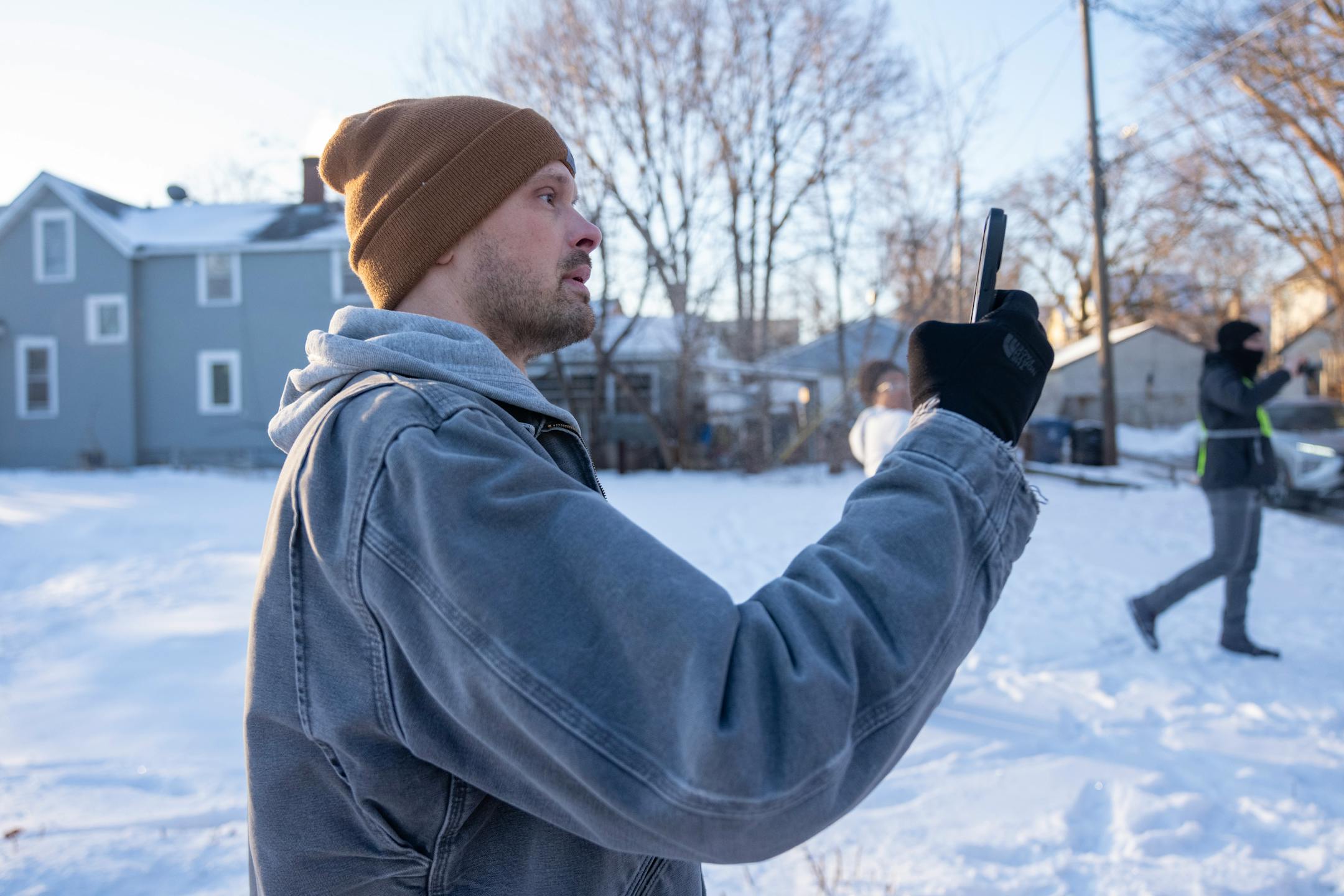
Kaegan Recher, a commuter and volunteer community observer, records video as federal agents arrest other observers in South Minneapolis, Minn. on Tuesday, Feb. 3, 2026. ] ALEX KORMANN • alex.kormann@startribune.com (Alex Kormann/The Minnesota Star Tribune)

Agents sitting in vehicles

Along with changes in arrests, residents have also seen changes in how agents patrol the streets.

Instead of street sweeps, residents and observers have frequently spotted masked agents sitting in an SUV idling for long periods on residential streets, either alone or with an accompanying SUV parked across the street .

On Feb. 10, two agent SUVs were positioned in St. Louis Park south of West 28th Street on Maryland and Quebec avenues. The vehicles were positioned a block away from school bus stops.

A couple of the observers said they work for St. Louis Park schools and wanted to ensure students and families got home safely.

“I’m just gutted,” said teacher Emma Larson. “Our students are as close to us as our own children, so this feels like a major human rights issue.”

Dozens of observers wore neon vests that read “Peaceful observer, don’t shoot,” yelled and blew whistles at the agents’ vehicles. The agents never rolled down their windows to interact with observers, only making occasional motions such as shaking pepper spray canisters as a warning.

At one point, a protester alleged the agent raised his middle finger at her.

After sunset, the SUV on Maryland Avenue left after several hours of idling motionless to briefly chase a protester’s SUV that flashed its high-beam lights at the agents.

Recher was on a group call with observers on Feb. 6, when he heard a woman describe being boxed in by federal agent SUVs. He feared she was detained.

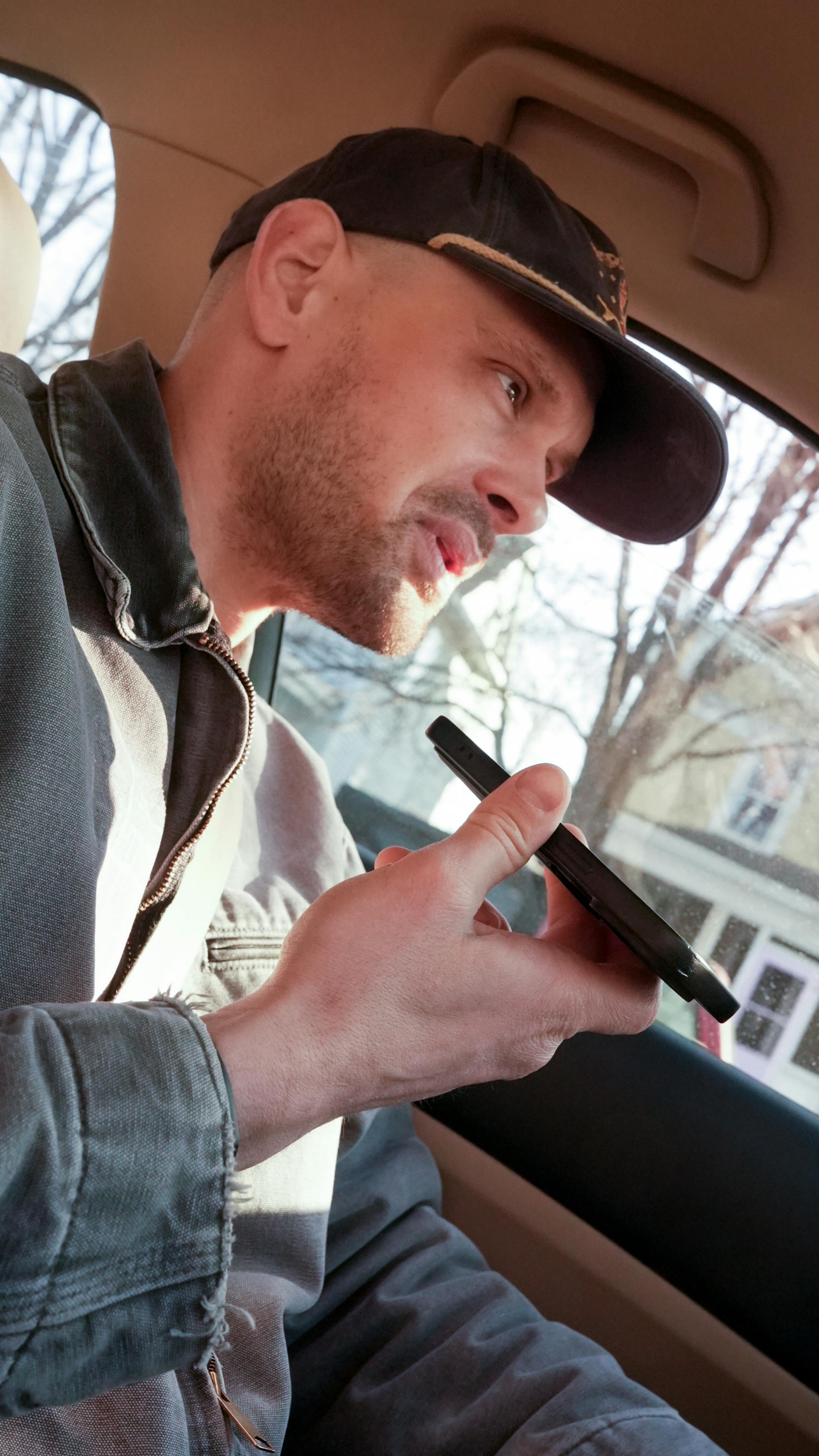
Keagan Recher talks to dispatch while on his daily ICE observer patrol on Feb. 12. Organized using Signal group chats, ICE observers disperse throughout the metro. [AMANDA ANDERSON - amanda.anderson@startribune.com] (Amanda Anderson/The Minnesota Star Tribune)

“There was panic in her voice and she was asking for help,” Recher said. “And then just to roll up and get there and just see the empty car, it just was a sense of helplessness. It’s just a horrible thing to hear a panicked voice asking for help and not be able to do anything.”

Other observers say they have been followed home by agent vehicles, or have had their license plates or faces scanned before agents call out the protesters’ names, according to Recher, who believes these to be intimidation tactics.

On Feb. 9, a man in an unmarked SUV pulled up alongside a Minnesota Star Tribune reporter in north Minneapolis and addressed him by name. When the reporter asked if the driver and passenger were federal agents, the driver did not answer and instead responded by indicating he was “himself.”

After the reporter identified himself as press and picked up a phone to film the interaction, the unmasked driver partially rolled up his window to hide his face below eye level.

Asked if the occupants were with a media group, the driver said “self media,” and that “we’re influencers,” while gesturing air quotes with his fingers.

The driver did not respond when the reporter asked how he knew his full name. He then chuckled as he drove away with an observer vehicle following.

Earlier in the day, an unmasked agent who looked and sounded similar and was driving the same kind of vehicle identified himself as “ICE” when confronting a photographer. The exchange was captured in a video taken by Status Coup News.

DHS and ICE did not return a request for comment on the interaction with the Star Tribune reporter or confirm if it was the same agent in both instances.

Although chases between agents and observers still happen each day, there has been a decline in confirmed ICE sightings among several group chats for the Twin Cities.

But Recher stressed that he doesn’t think observers and protesters in the city will slow down with their efforts to resist ICE, noting that he thinks the large operation has made a long-term impact on residents’ willingness to trust what federal officials say.

“I think Minnesotans in general are going to have a healthy distrust of the federal government for the long term,” he said.

about the writer

about the writer

Louis Krauss

Reporter

Louis Krauss is a general assignment reporter for the Star Tribune.

See Moreicon