


Opinion editor’s note: Strib Voices publishes a mix of commentary online and in print each day. To contribute, click here.
•••
Riding four-wheelers, or all-terrain vehicles, is a lot of fun. Trees whip past as you barrel through the woods. Water cascades as you blast through mud puddles. It’s like being a centaur. Person on top, powerful beast down below.
ATVs are a huge part of life in rural Minnesota. For decades, these machines have served a useful purpose in running a farm or maintaining a large piece of property. With attachments, they work well for snow removal and other jobs. And, of course, Minnesotans use recreational ATVs more than ever as the number and quality of trails expands across the state.
But the role of ATVs is growing beyond their original intent. A rising number of fatalities has state and local law enforcement wondering how to keep everyone safe as more people take to roads with off-road vehicles.
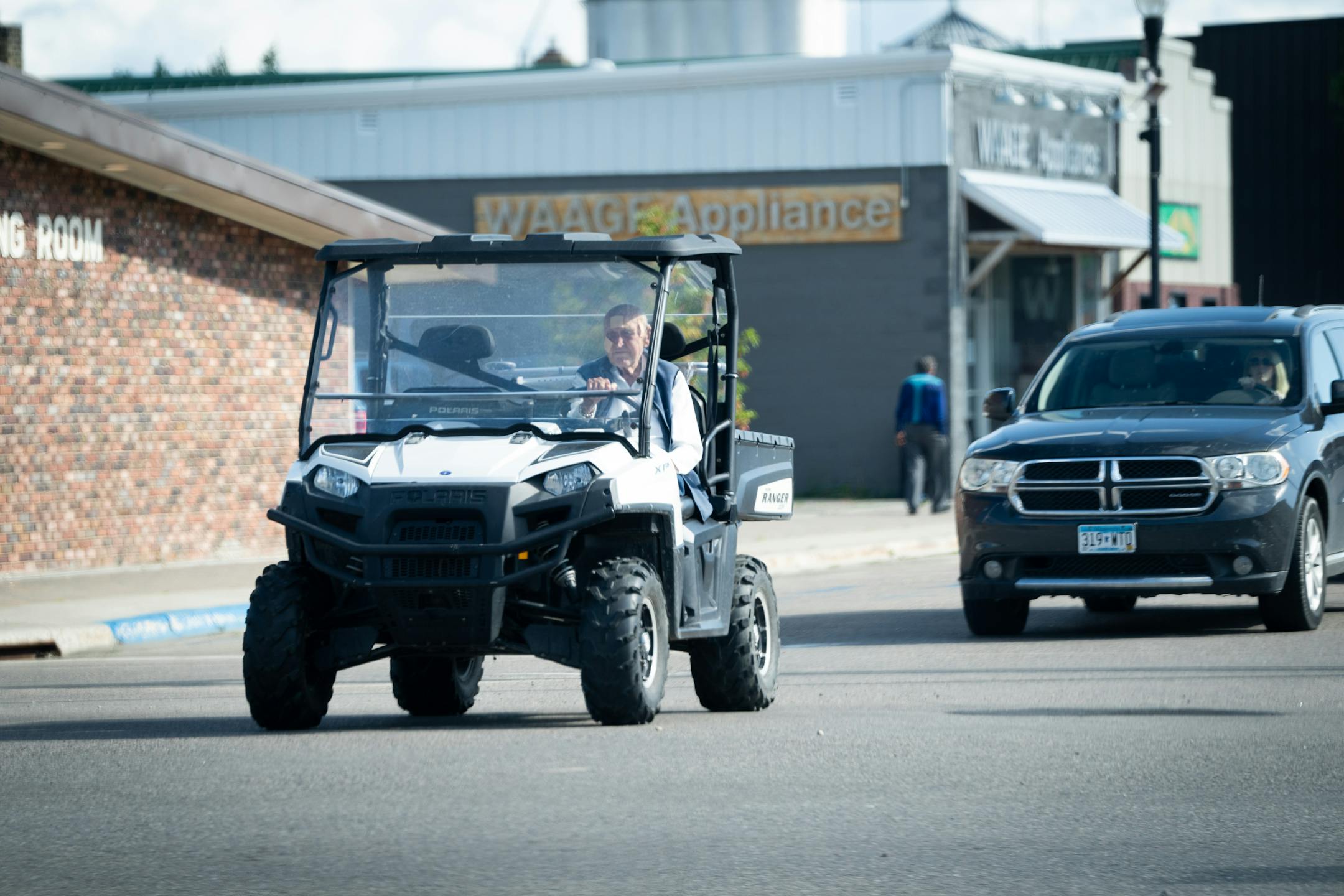
ATVs are classified in two categories. In general, Class 1 is the narrower kind you ride on, and Class 2 is the wider kind you ride in. Most of us learned how to ride on Class 1 machines, but today’s consumers can’t get enough Class 2s from brands like Polaris, Can-Am, Yamaha and Honda.
Part of the reason for their popularity is that Class 2s, often called side-by-sides or UTVs, are incredibly comfortable and easy to operate. They have doors, windshields and steering wheels, along with climate control, sound systems and amenities that frankly outshine those found in my first three cars.
Bruce Lawrence, the statewide recreational vehicle coordinator for the Minnesota Department of Natural Resources, said that UTVs provide “a false sense of security” for many operators.


