


Opinion editor’s note: Strib Voices publishes a mix of commentary online and in print each day. To contribute, click here.
•••
For the past year, Minnesota industries have struggled to adapt to President Donald Trump’s international trade policy. Sweeping tariffs on foreign products, sometimes exceeding 100% for short periods, dramatically affected the price and availability of goods and materials used here in the United States.
At the same time, leaders in certain industries, such as iron mining in northern Minnesota, praised the tariffs. Mining and steel companies hoped Trump’s actions would encourage more domestic production of steel and demand for Iron Range taconite pellets. The president named these tariffs — the heftiest since the Gilded Age of the late 19th century — as the cornerstone of his “Make America Great Again” campaign pledge.
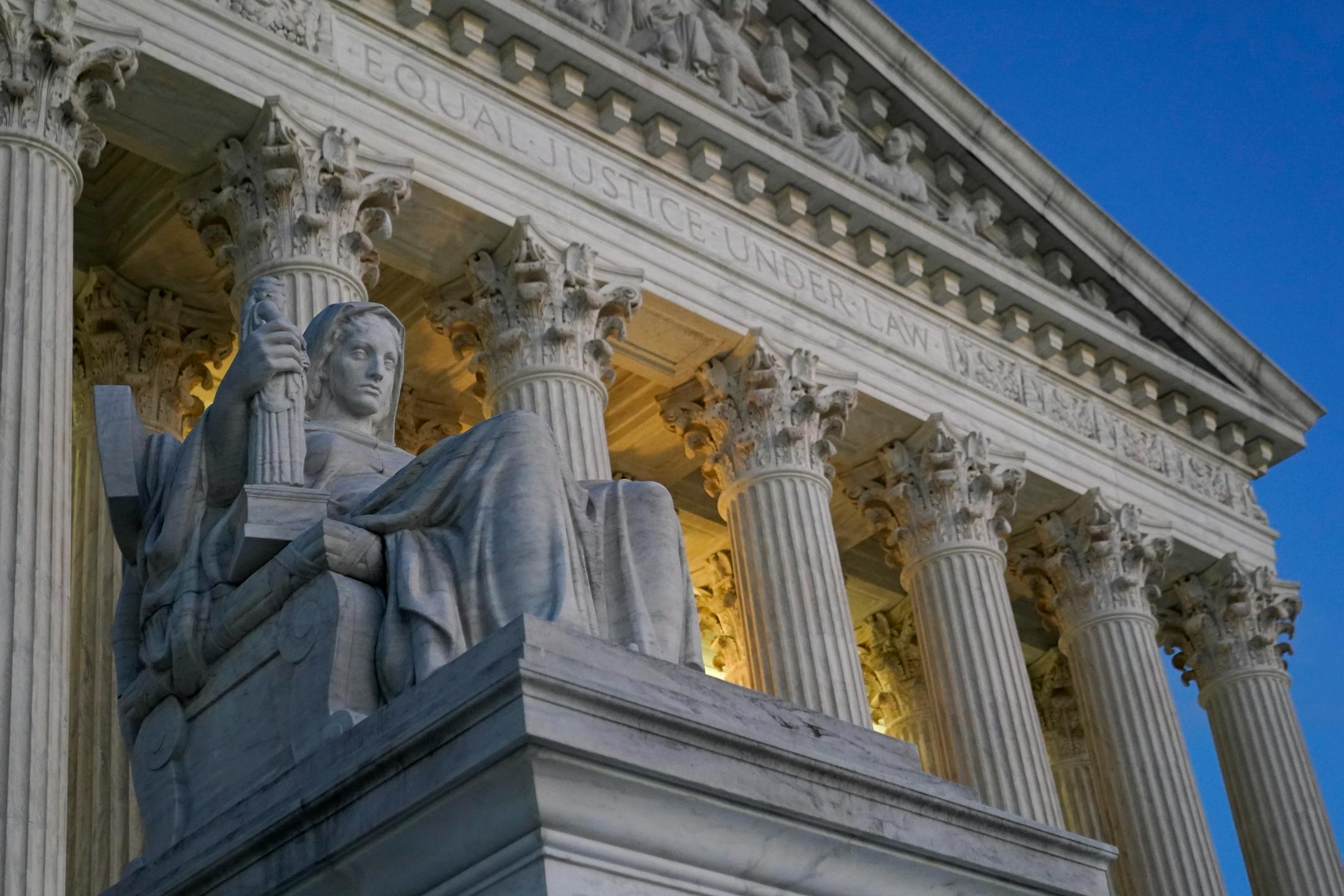
Whether you support or oppose the tariffs, we all must contend with new uncertainty. On Friday, the U.S. Supreme Court ruled that Trump overstepped his authority in unilaterally implementing the tariffs without congressional approval. American trade policy returns to the drawing board.
Ultimately, that’s a good thing.
First, let’s acknowledge the history of this moment. Trump’s presidency challenged constitutional and political norms from the start. While lower federal courts have pushed back at times, the Supreme Court — led by a 6-3 conservative majority — has not. Earlier decisions backed or tolerated an unprecedented expansion of executive power by the administration.
Friday, the court drew a line. This allows Congress, and that means us, to have more of a say in important policies affecting the U.S. economy.


