Janet Sikkink had open-heart surgery once, to replace a diseased valve. It worked, but she wouldn't go through it again.
So when a persistent burning sensation in the middle of Sikkink's chest led to the diagnosis of a new problem in a different heart valve, the 80-year-old Hinckley, Minn., woman resolved that she would rather live with the symptoms of her leaky tricuspid valve than face surgery. But this week, she says she is feeling "really good" after having a minimally invasive procedure to repair the valve without surgery, through a clinical trial at Abbott Northwestern Hospital in Minneapolis.
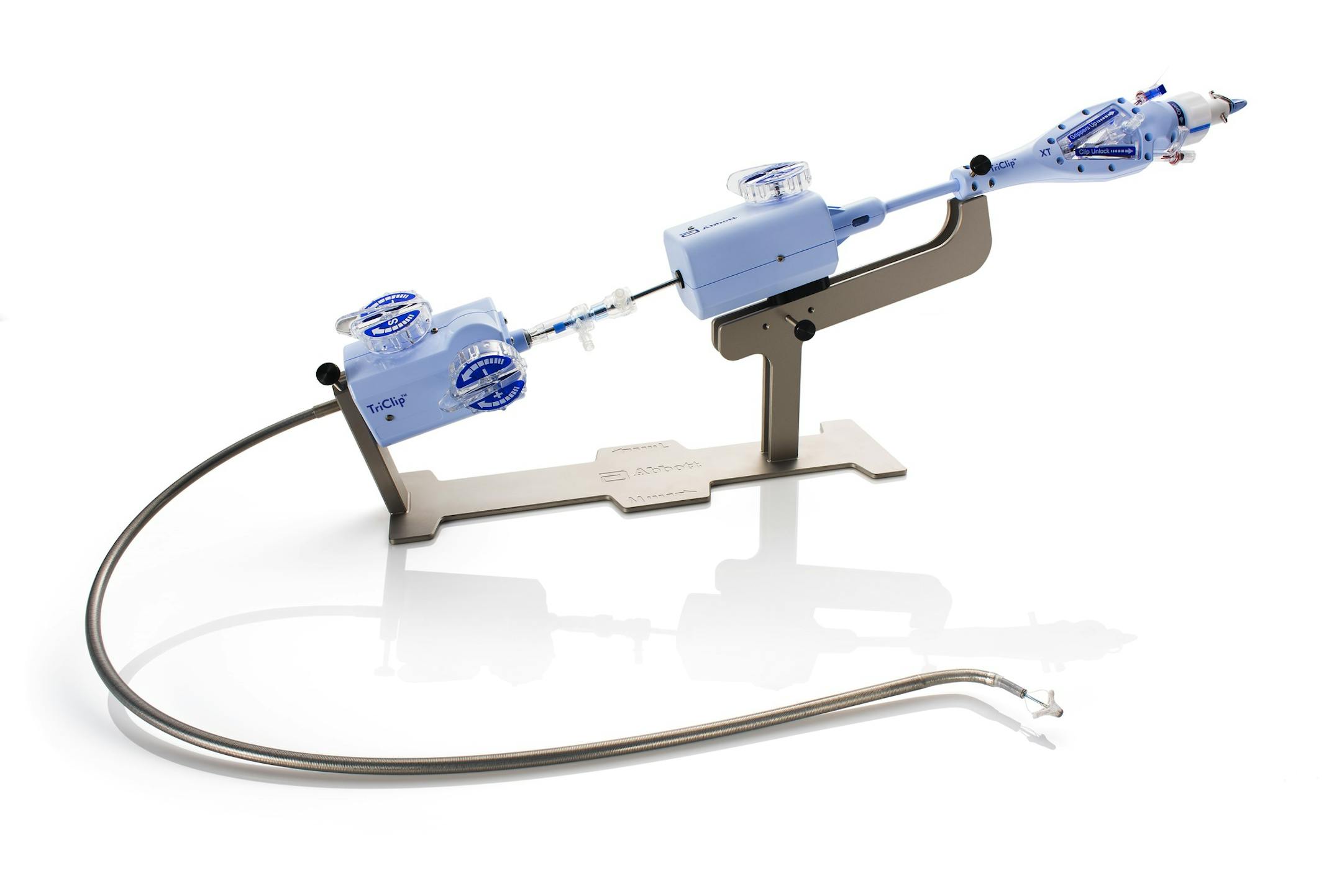
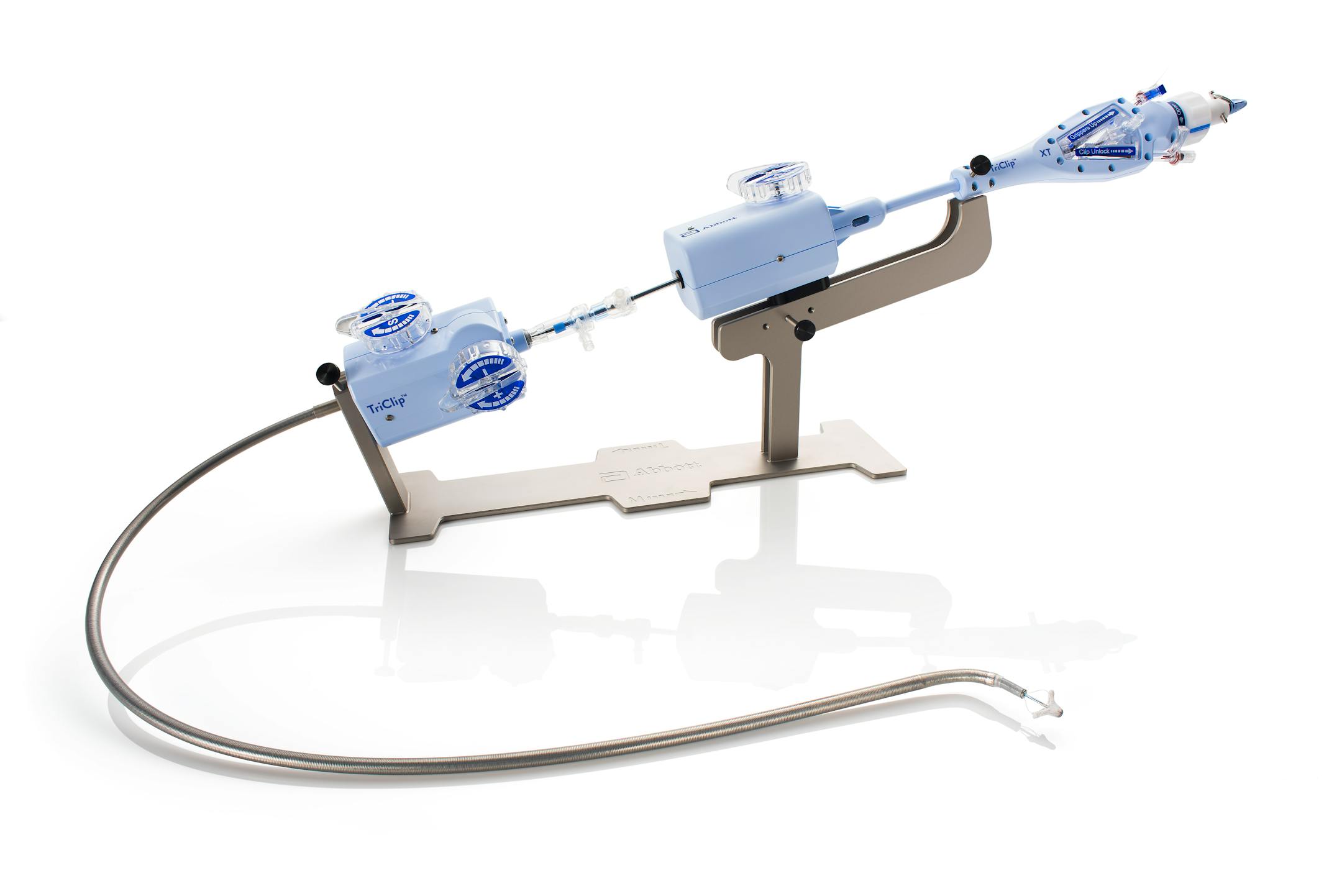
"I had a lot of pain and a lot of shortness of breath. And now that's all kind of gone away," she said Wednesday, seven days into a yearlong clinical trial of an unapproved device called the TriClip, designed by Abbott Laboratories in Chicago and implanted by a Minneapolis medical team led by Dr. Paul Sorajja.
Last week, Sikkink and two other tricuspid regurgitation (TR) patients at Minneapolis' Abbott Northwestern Hospital quietly jumped to the forefront of a wave of cardiology innovation represented by a class of new "structural heart" devices that optimize blood flow using foldable memory metals and tendril-like catheters thin enough to fit inside blood vessels.
Much of the innovation has centered on valves and structures in the left ventricle and atrium, which pump oxygenated blood to the body and brain. But increasing focus is moving to the right side of the heart and its tricuspid valve, which helps move blood to the lungs. About 1.6 million Americans have moderate to severe TR, but less than 1,000 per year get surgery to stop blood from leaking backward through the valve.
Many companies are now testing minimally invasive ways to replace or repair the tricuspid valve. In the case of Abbott Labs' TriClip device, the company is literally moving cardiac innovation from the left side of the heart to the right.
The TriClip is based on Abbott Labs' successful MitraClip device, which earlier this year was approved for a much wider use by the U.S. Food and Drug Administration after a landmark study known as Coapt found that using the MitraClip to clip together leaflets in the mitral valve was significantly more effective at preventing death and heart-failure hospitalizations than standard medical therapy alone.
The TriClip takes the same concepts and applies them to the tricuspid valve. The technology allows a doctor to clip together leaflets of the valve, changing the tension of the tissue and improving blood flow through the valve.