

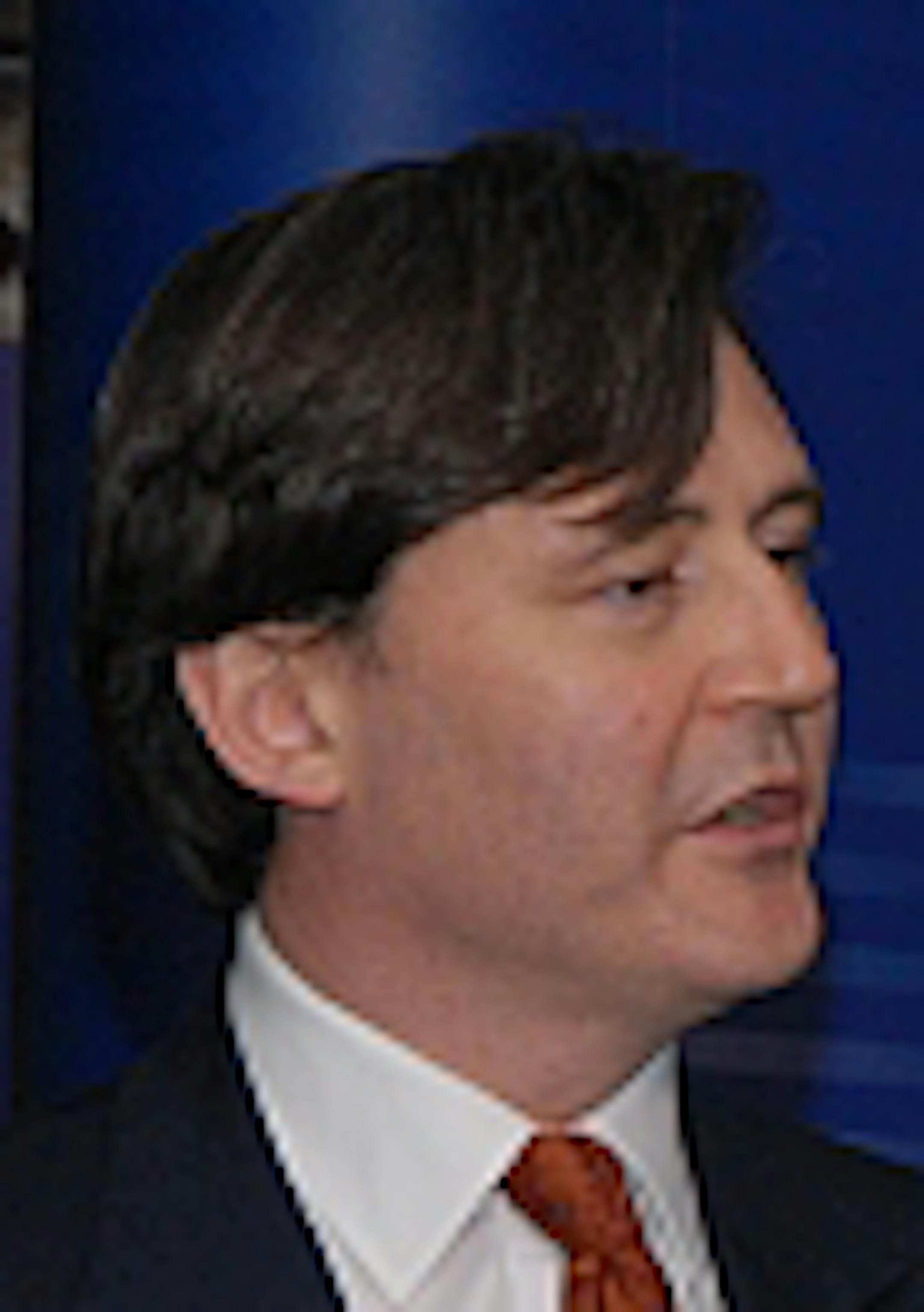
The editor of the Economist this week delivered a hopeful but realistic view of the benefits of globalization through the prism of America's political campaign.
John Micklethwait, editor of the London-based weekly news magazine, told a Minneapolis audience of 400 people that shuttered U.S. steel plants and antitrade rhetoric resonate more with voters these days than do the inexpensive imported goods that they enjoy thanks to liberal trade policies.
Micklethwait uses what he calls "provocative paranoia" to underscore how a reversal of these free-trade policies would cripple the world economy, with the heaviest burdens falling, as usual, on the poor.
Resentment toward the unpopular Bush administration, stagnant wages for the working class and technology that has replaced some U.S. jobs, Micklethwait said, have been lumped into political attacks against global trade that has precluded a good deal with Colombia and revived protectionist talk in Washington.
But he is no America-basher. This country, Micklethwait said, is about democracy and capitalism, innovation and entrepreneurialism.
"The world needs more of that. And there's a difference between that and pushing around other countries," he said.
The Economist, which embraces the science behind global warming, predicts that the United States and other industrialized countries eventually will adopt carbon caps and taxes, which will help drive electric cars, alternative fuels and new, cleaner technologies into global markets.
Micklethwait, a short-time Chase Manhattan banker and 22-year journalist, also predicts that China and India will rival the size of the U.S. economy within 30 years.


