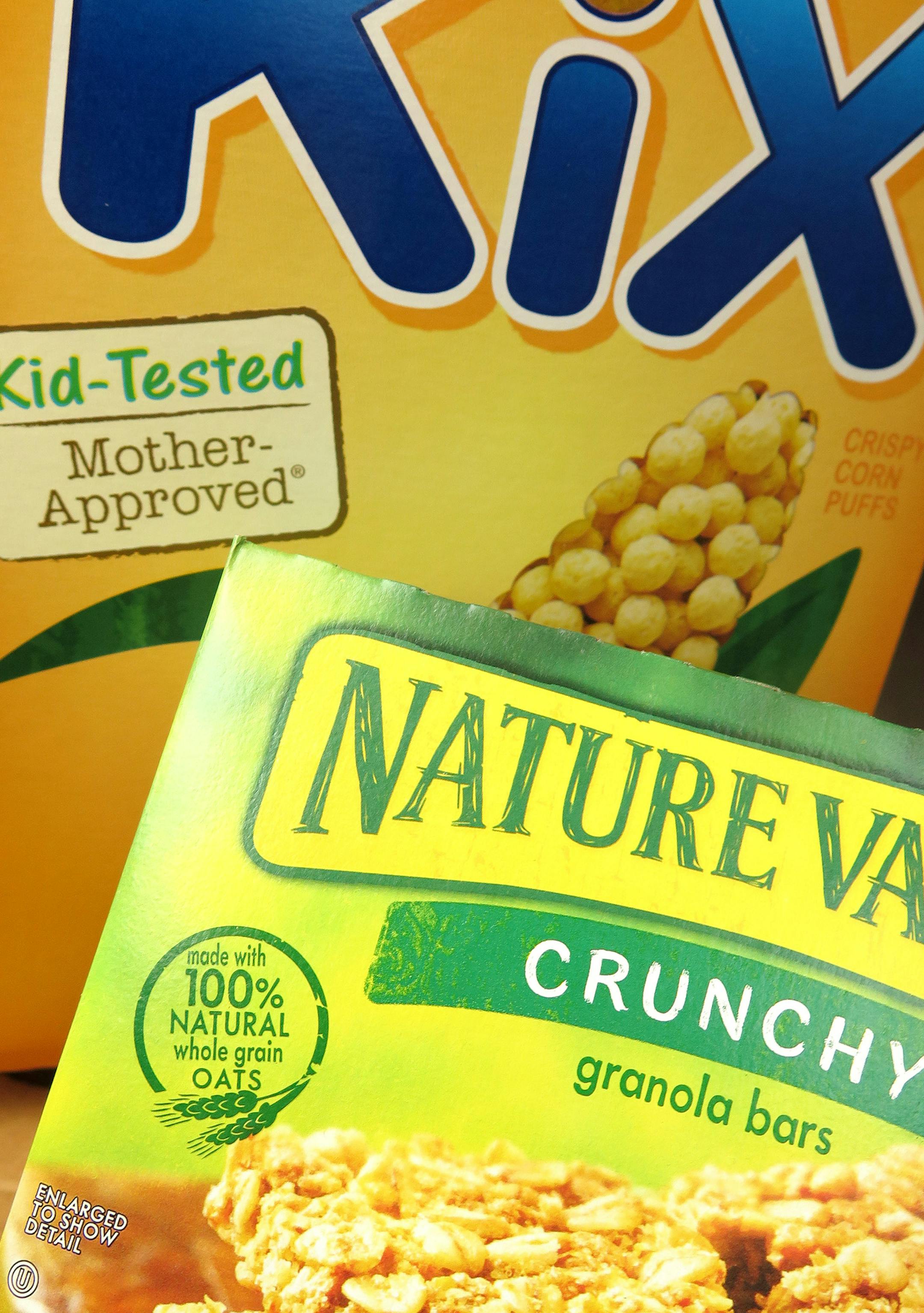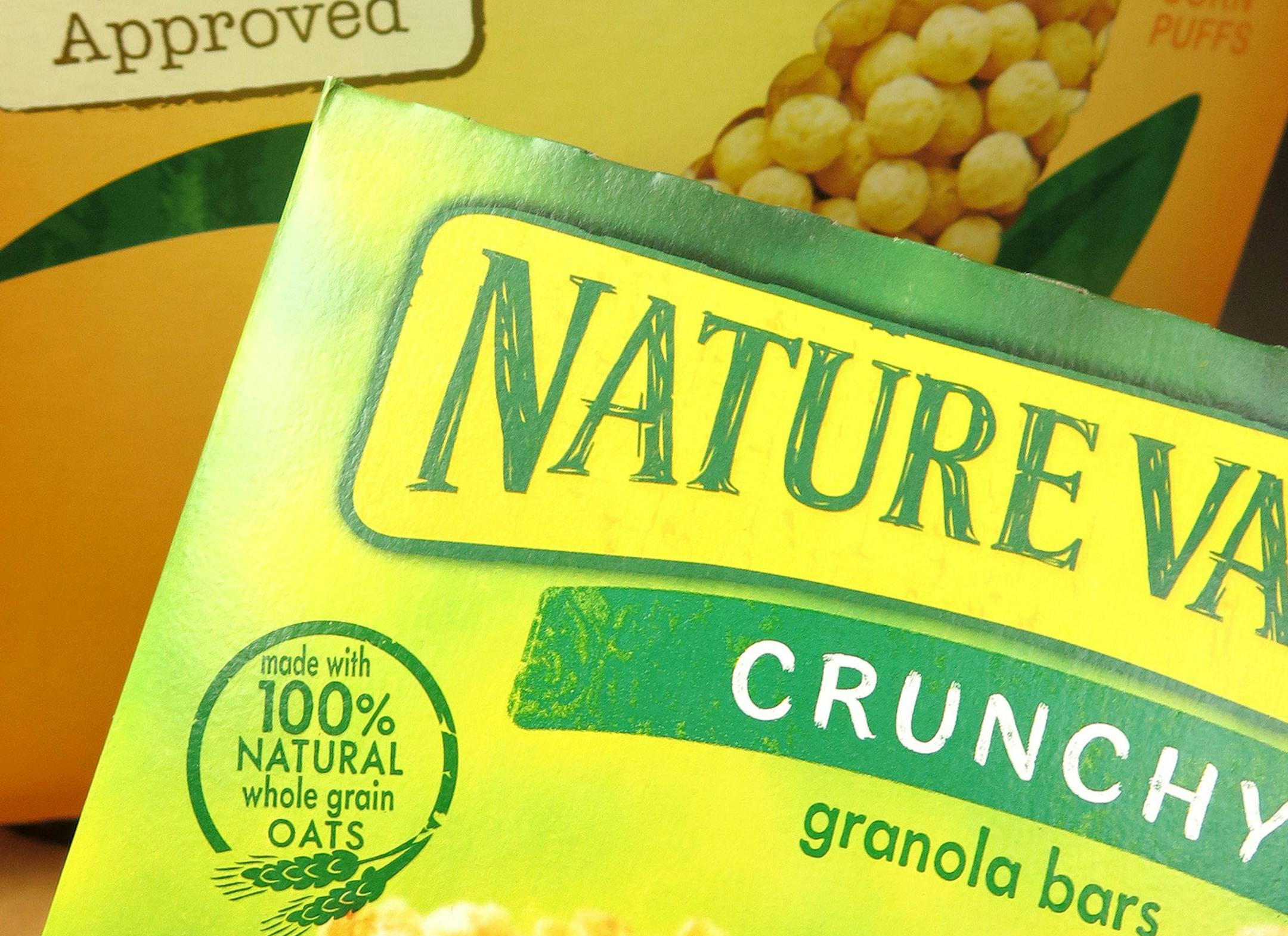
A box of Nature Valley Oats 'n Honey granola bars declares that the popular snack is "made with 100 percent natural whole grain oats." It used to say "100 percent natural."
Kix cereal once boasted of being made from "all natural corn," but no more. General Mills edited both labels after the company was accused in a lawsuit of misleading consumers.
The aura that foodmakers hope to convey with the word "natural" is under attack, and Minnesota's giant food producers have gotten tangled in legal disputes. Cargill is in the midst of at least two lawsuits over natural claims, while General Mills has faced five.
Across the food industry, "natural" has long been one of the most popular labels because it evokes an image of good health. But there are no clear standards for what qualifies, and some argue that the word is so vague that it's meaningless.
"We can't define it," said Urvashi Rangan, a senior scientist and policy analyst for Consumer Reports. "The problem is that it is so subjective. We would just like it to go away."
The ingredients that go into many items have heightened the debate. Products containing genetically modified (GM) ingredients, such as Kix and Nature Valley bars, have come under particularly fierce attack.
"A lot of lawyers see it as a good field to get into, and one ripe with a lot of misleading claims," said John Banzhaf, a law professor at George Washington University in Washington, D.C. "The next time a company thinks about slapping a natural label on [a product], their corporate counsel may say, 'Hey don't do that.' "
Foodmakers continue to put the natural label on new products. More than 20 percent of grocery items launched last year claimed to be "natural" in some way, according to Datamonitor, a market research firm.