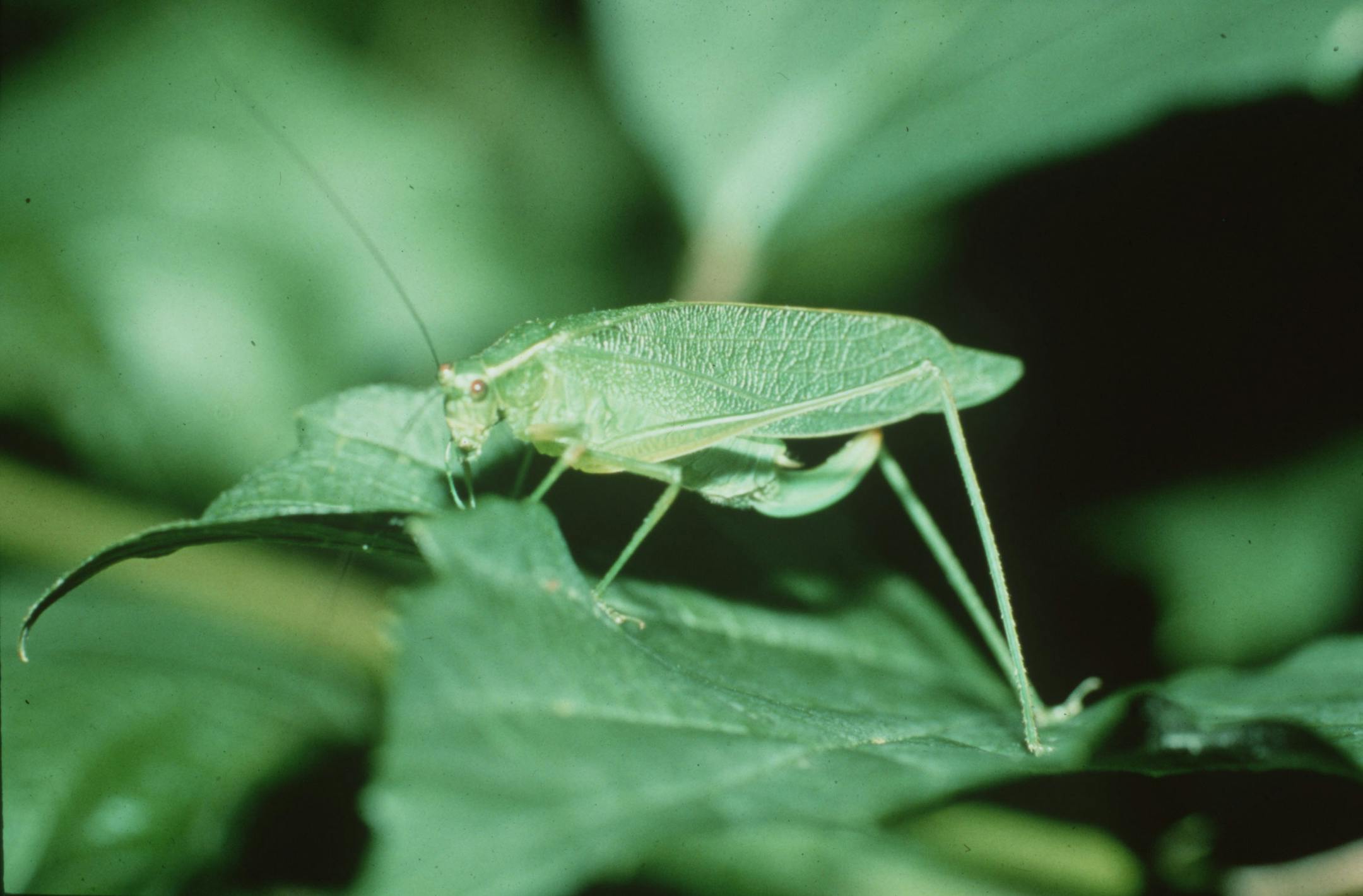
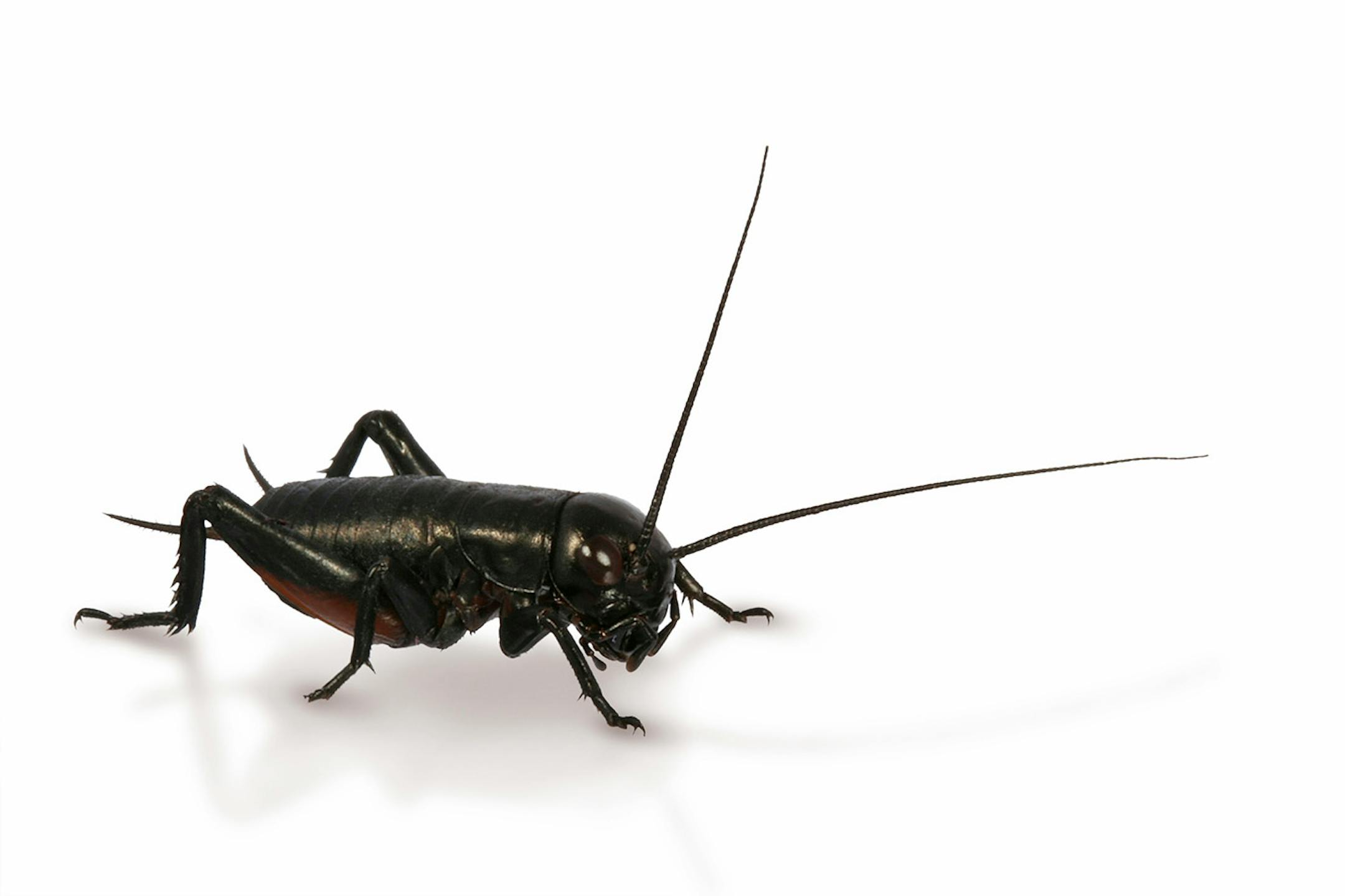
Step into a patch of overgrown grass or prairie, and you’ll likely trigger a popcorn-like frenzy of jumping insects. Late August and early September can be peak times to study grasshoppers, katydids and crickets as they mature to adulthood.
With camouflage colors, they’re adept at playing hide-and-seek and avoiding predators during the daytime, but you may see them in flight as they bounce among plants. Intermittent clicks, buzzes and chirps may also be audible if cicadas’ dental-drill crescendo doesn’t drown them out.
As the day winds down, the insects strike up an evening serenade through stridulation, the act of rubbing their legs against forewings or the rigid edges of two wings together. This rasping or “singing” seeks to attract a mate.
Late-summer hookups ensure the next generation as females lay eggs that can survive the winter, while most adults perish after the first freeze.
Here are a few of the summer singers you might hear or see jumping around:
Carolina locust
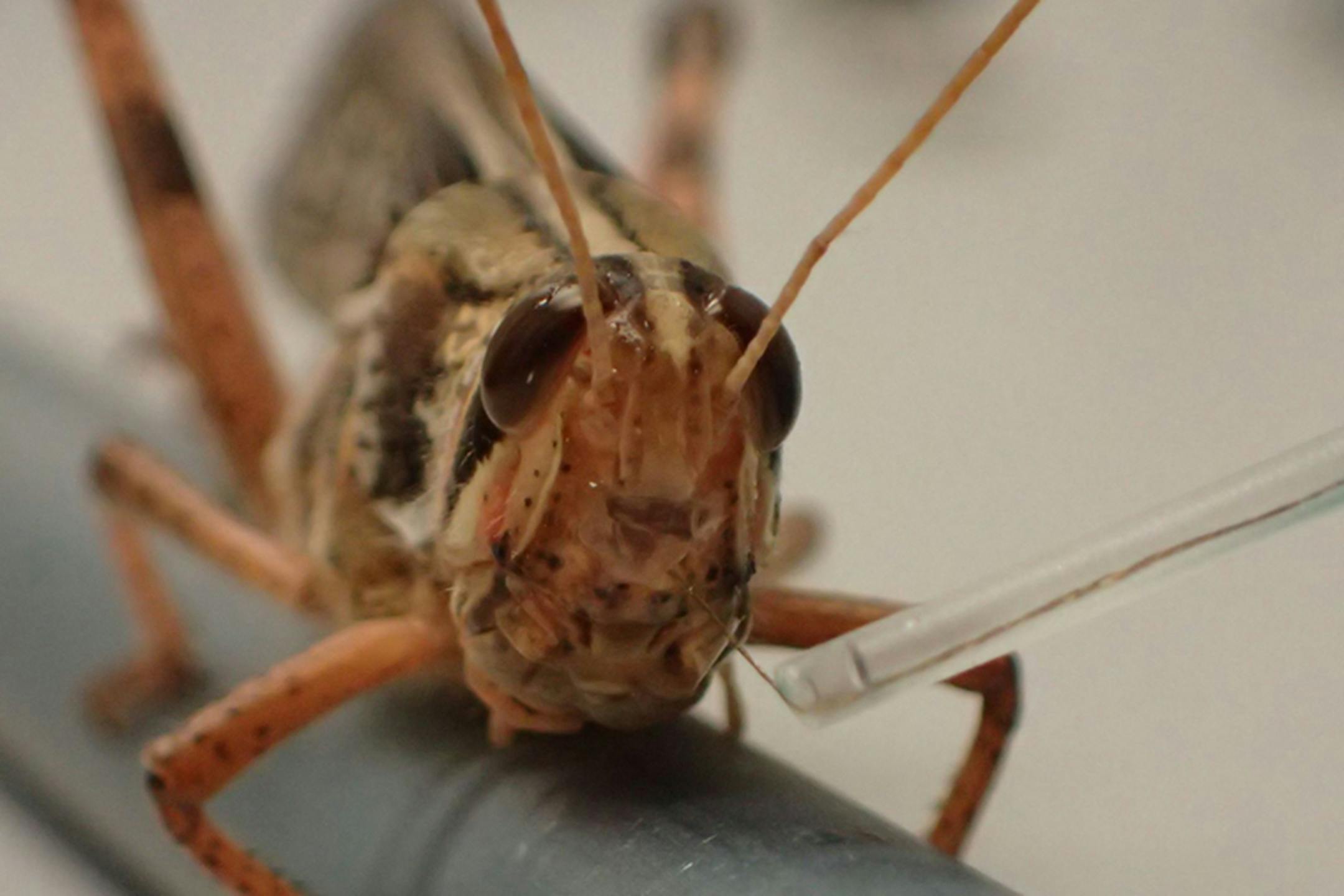
The Carolina locust can look like a butterfly when it snaps open its black wings with a pale-yellow stripe. You might hear a clicking sound as those wings snap shut, allowing this large grasshopper’s dusty greenish-brown coloring to blend in with gravel paths and sandy dirt.
Differential grasshopper