

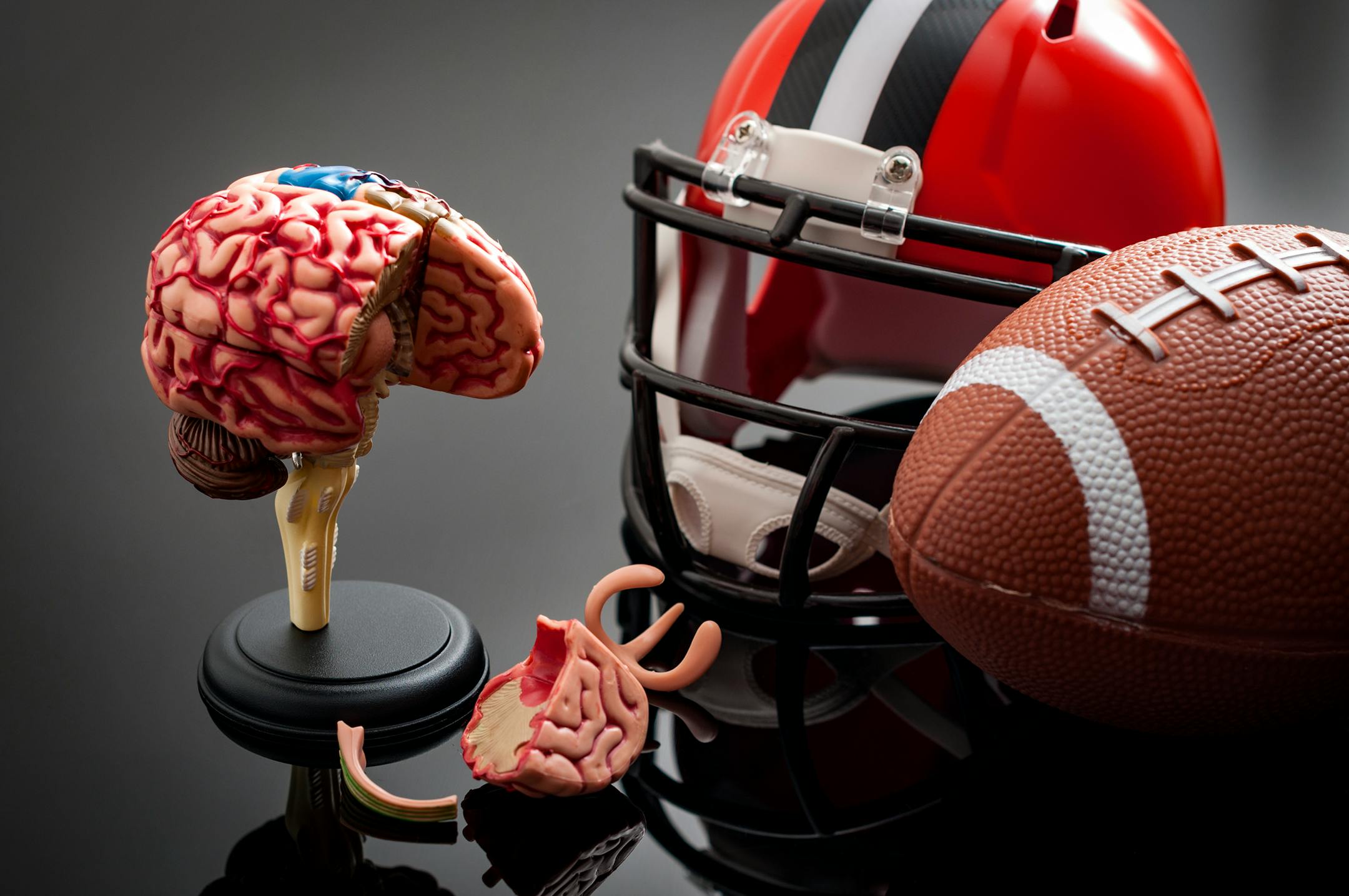
As more and more parents in the U.S. see the connection between football and brain damage, the game we love will change. Many will tell their teenage boys, "You can play any sport you want … except tackle football." What's left will be a gladiator sport.
We now know that football is harming players through repeated trauma and long-term brain damage. From the NFL on down to Pop Warner youth leagues, the game, the training and the gear must adapt to reduce harm. Decades of data tell us what needs to change.
Having represented professional athletes since 1975, I've been worrying about football players' health since long before the first diagnosis of chronic traumatic encephalopathy in a former NFL player in 2002.
In the late 1980s, I sat in the stands at Sun Devil Stadium watching a young quarterback who was also my client play against the Arizona Cardinals. I watched as a defensive player sacked him and knocked him to the turf. Blood oozed out of his ear as he lay motionless on the ground. My heart pounded as I stared at this young athlete and wondered aloud if he was dead. After what felt like an eternity, he gradually regained consciousness. Watching as the medics helped him off the field, a wave of relief washed over me, immediately followed by a crisis of conscience.
I had to make a choice 30 years ago of whether to walk away from the industry or work from within to improve it. The players and I made a lot of money as their careers took off, but I had a responsibility to my clients to do more than enrich our bank accounts. Their long-term health was more important than anything else.
That made the decision clear, so I had a new mission: understanding concussions thoroughly, the components of the injury, long- and short-term damage, recovery, education and prevention. I've been aligned with a number of neurologists and concussion safety advocates, and I hosted conferences to present the latest medical information to the players and their families, the leagues, teams and the public.
Since the late '80s, we've learned so much about the risk to athletes in collision sports like hockey, field hockey and even youth soccer. Pre-adolescent brains are especially vulnerable. Repeated blows over years escalate the risk. A 2017 report on the brains of 111 former NFL players who died between the ages of 23 and 89 found almost all had CTE. Only one brain did not.
To its credit, the NFL has adopted and enforced concussion protocols that take clearly injured players off the field. But football has not changed enough. In some ways it's getting worse, with a new generation of bigger, stronger and faster athletes who collide much harder than their predecessors did.


