

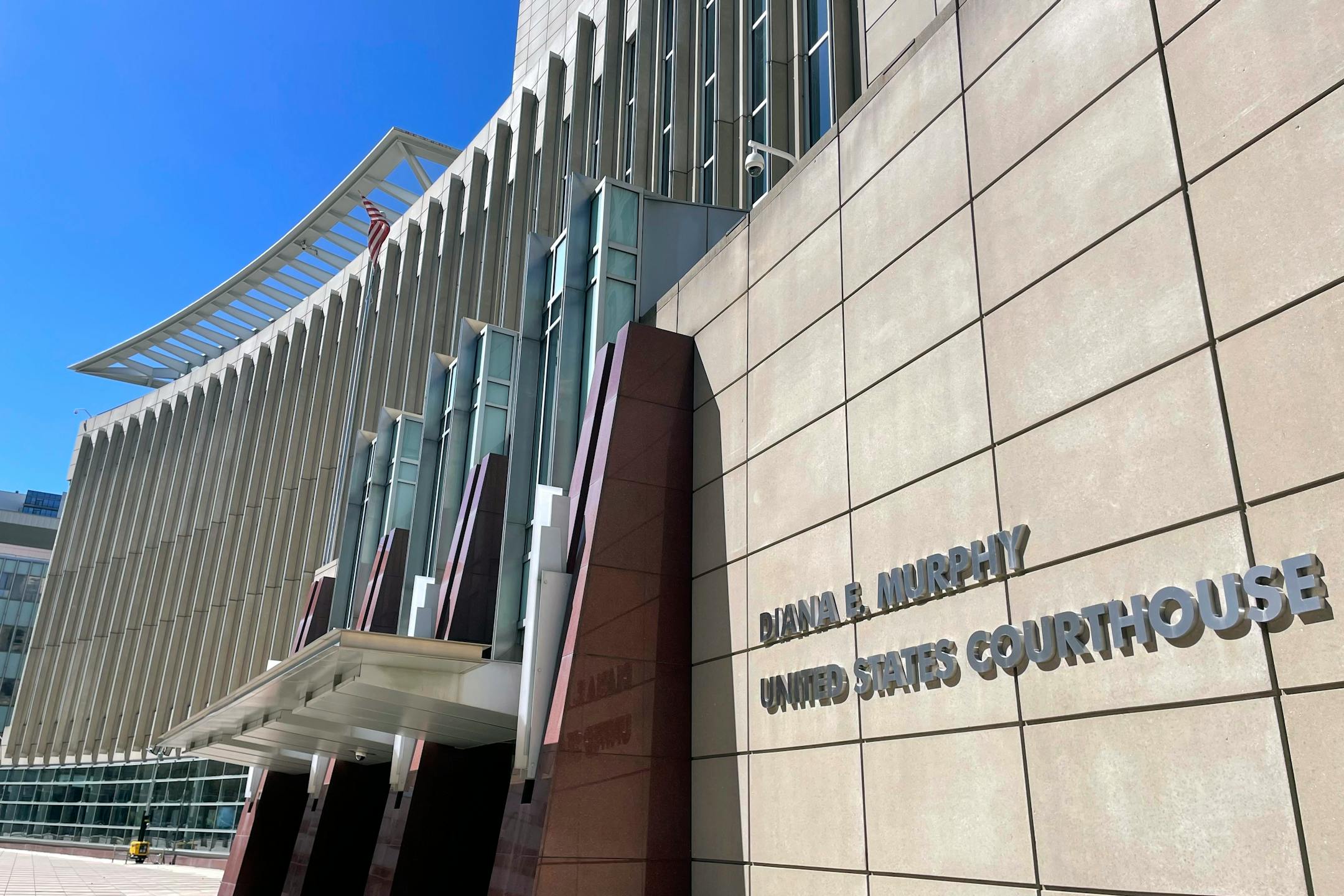
Two Christian colleges that require incoming students to sign faith statements can’t be barred from a popular Minnesota program that allows high school students to take college classes for free, according to a ruling issued Friday by a Minneapolis federal judge.
In her ruling, U.S. District Judge Nancy Brasel found that a 2023 law aimed at addressing complaints involving alleged discrimination at the colleges was unconstitutional because it unfairly restricted the religious freedom of high school students who wanted to attend the Christian schools.
“This dispute requires the court to venture into the delicate constitutional interplay of religion and publicly-funded education,” Brasel said in her 70-page ruling. “In doing so, the court heeds the Supreme Court’s instruction that the First Amendment gives special solicitude to the rights of religious organizations.”
Brasel noted that the two schools — Crown College in St. Bonifacius and the University of Northwestern-St. Paul in Roseville — have together received a total of nearly $40 million since the 2017-18 school year to cover the costs of participating in Minnesota’s Postsecondary Enrollment Options (PSEO) program. Northwestern has been the leading provider of PSEO credits in the state, Brasel said in her ruling.
The two institutions require their students to pledge to follow the school’s values and conduct rules, effectively barring from campus activities those students who aren’t Christian or who are LGBTQ. The faith statements also include pledges to refrain from sex outside of marriage.
The case was filed on behalf of two Minnesota families whose children wanted to participate in the PSEO program at the two schools but felt pressured by the new law to attend different colleges. The ban was suspended after the lawsuit was filed in 2023.
“Minnesota tried to cut off educational opportunities to thousands of high schoolers simply for their faith. That’s not just unlawful — it’s shameful,“ said Diana Thompson, senior attorney at the Becket Fund for Religious Liberty, a Washington, D.C.-based nonprofit that led the legal fight on behalf of the families. ”This ruling is a win for families who won’t be strong-armed into abandoning their beliefs, and a sharp warning to politicians who target them."
Officials with the Minnesota Department of Education, which spent years advocating on behalf of the ban, said no decision has been made on whether to appeal.


