

Opinion editor’s note: Strib Voices publishes a mix of guest commentaries online and in print each day. To contribute, click here.
•••
I live in Minnesota, and lately the tension is impossible to ignore. You can see it in workplaces, hear it in everyday conversations and feel it in the air. What once felt like a political dispute now feels closer — more fragile — and more likely to go wrong.
I don’t pretend to have the answer, and I don’t know if anything can be done to change the current trajectory.
What I do have is a growing sense of unease that Minnesota is drifting toward a situation where confrontation becomes the default outcome. Not because anyone wants it, but because no one is actively building an off-ramp.
This moment is no longer about who is right or wrong on immigration policy. It’s about risk and incentives. It’s about the responsibility of leadership when multiple forces are pulling toward conflict rather than resolution.
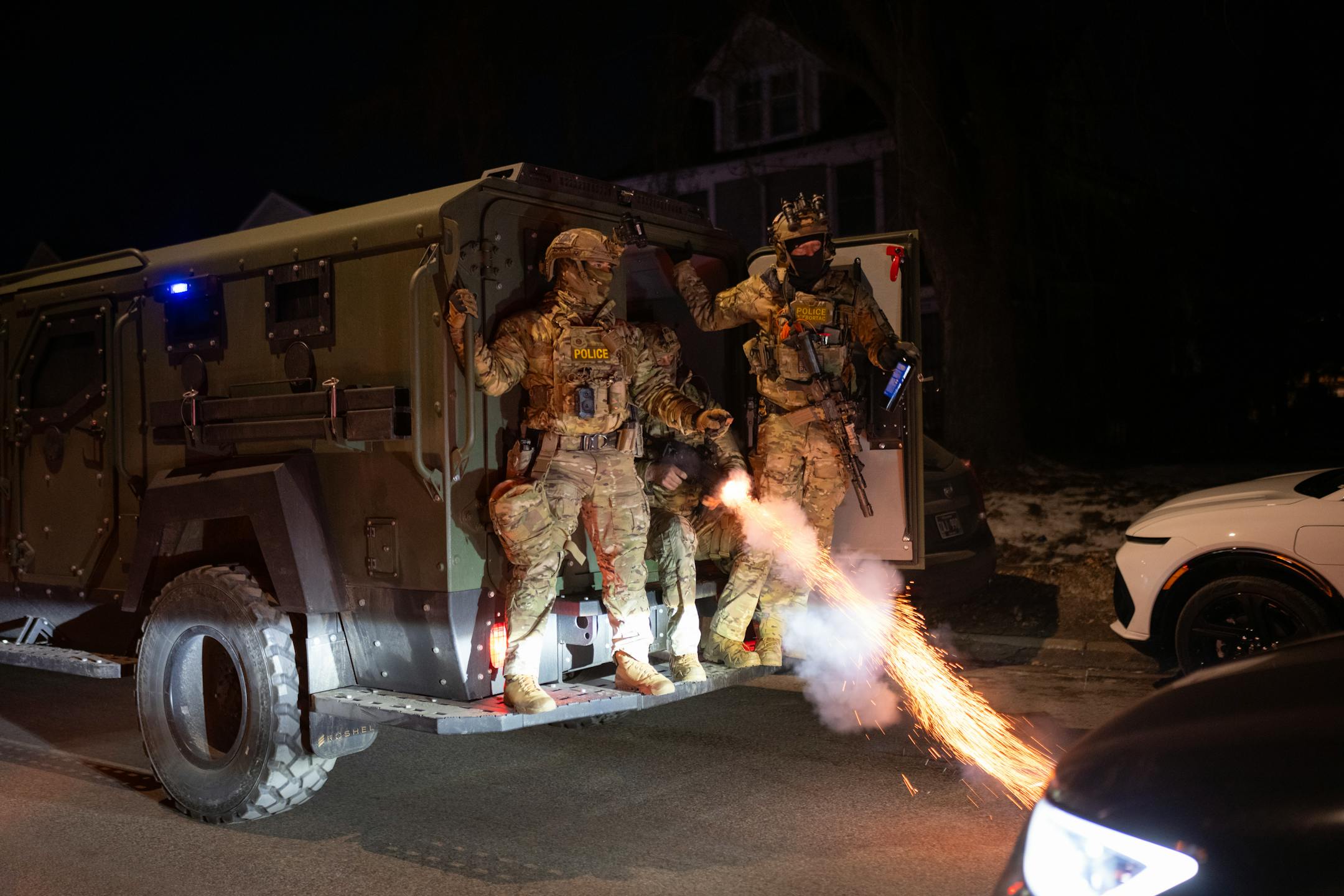
Minnesota is now a focal point in a national fight. Federal immigration enforcement has intensified, protests have become routine and court rulings are stacking up. Rhetoric is hardening on all sides, and with every passing day the probability of a single bad decision — by a protester, a federal agent or a local authority — rises.
Anyone who has spent time in leadership, whether in government or business, recognizes this pattern. Once a situation begins to feed on itself, outcomes stop being shaped by intention and start being shaped by momentum. At that point, the question is no longer whether your position is morally defensible. It’s whether you can prevent something irreversible from happening.


