
Opinion | It’s OK to change what you support

Let’s run through this at low stakes.

January 16, 2026 at 6:43PM
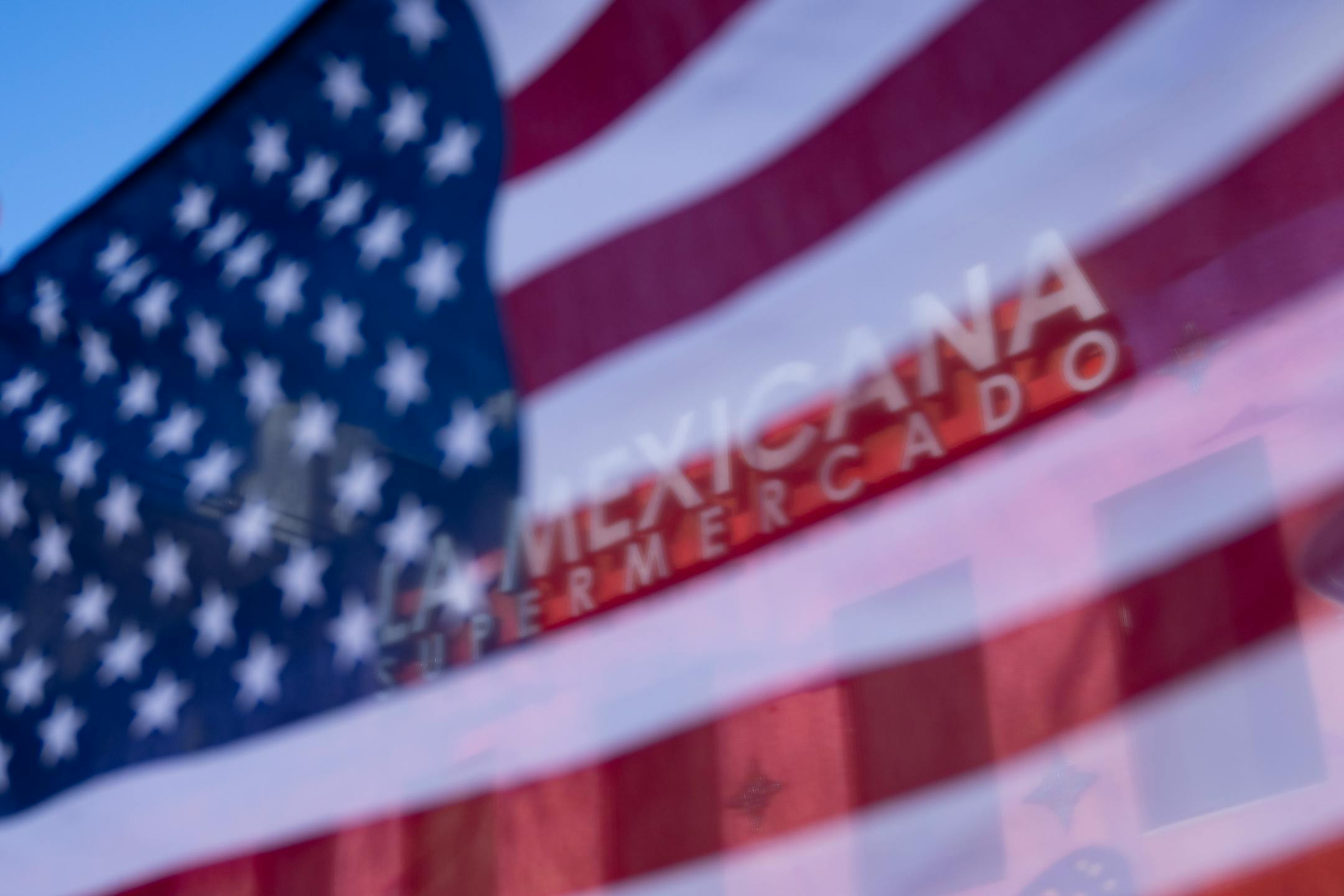
A protester holds up an American flag in front of La Mexicana Supermercado during an anti-ICE protest on Lake Street in Minneapolis on Dec. 20, 2025. (Alex Kormann/The Minnesota Star Tribune)

Opinion editor’s note: Strib Voices publishes a mix of guest commentaries online and in print each day. To contribute, click here.

•••

At some point in your life, you probably stopped eating a cereal you once enjoyed.

Not because someone yelled at you. Not because it suddenly became illegal. You just learned something new. Maybe you read the nutrition label. Maybe your body stopped feeling great afterward. Maybe you watched what it did to someone else and thought, huh, that doesn’t sit right with me anymore.

So you changed your mind about … cereal. Quietly. Without a news release.

This is a normal part of being an adult. Changing your mind doesn’t have to be some kind of moral failure, as if once you’ve poured a bowl you are required to finish the box for the rest of your life. Even when the cereal turns out to be doing real damage.

Nobody expects you to keep driving a car after you learn the brakes fail. Nobody insists you keep using a product after it injures someone you know. We accept learning, updating, adjusting. It’s called common sense.

And yet when it comes to the bigger things, the things that show up in headlines and conversations and group texts, we freeze. We cling. We double down. Not because we are certain, but because admitting uncertainty or wrongness feels riskier than sticking with what we already defended. Because it feels less like a choice and more like an identity.

Yes, I’m still talking about “cereal.”

There is a quiet pressure. A fear that if you say, “I didn’t know this then, but I know it now,” someone will accuse you of being weak, inconsistent or easily swayed.

But that fear misunderstands what integrity actually is. Integrity is not refusing to absorb new information. Integrity is allowing it to change you.

Sometimes the most responsible thing you can do is look at the bowl in front of you and say: I don’t want this cereal anymore. Not dramatically. Not performatively. Just honestly. Because you’ve seen the implications and you know right from wrong (breakfast).

Sometimes, that small act tends to ripple. When one person says out loud that they’ve reconsidered, others feel permission to do the same. Conversations soften. Certainty loosens its grip. People listen a little longer instead of rushing to defend a cereal they stopped enjoying years ago, but never admitted it.

We’re seeing the reality in front of us right now: Blind loyalty to … cereal … can cause a lot of cavities. It can affect entire neighborhoods. Rip apart families. And if left unchecked, the cereal industry could get even worse.

So, if you’ve learned something new. If what once was tasty now feels unsettling. If you’re looking down at your bowl and wondering why you’re still eating it at all. If you’ve witnessed firsthand what cereal can do to the people you care about.

It’s OK to change what you support.

It’s OK to reconsider.

It’s OK to grow.

Even if it’s cereal.

Jon Savitt is a Minnesota-based comedy writer who has been featured in places like Funny or Die, the New York Times, Vulture, CollegeHumor, USA Today and more.

about the writer

about the writer

Jon Savitt

More from Commentaries

See More
card image
Alex Kormann/The Minnesota Star Tribune

Let’s run through this at low stakes.

Opinion | The crisis of the dinner plate

card image
card image