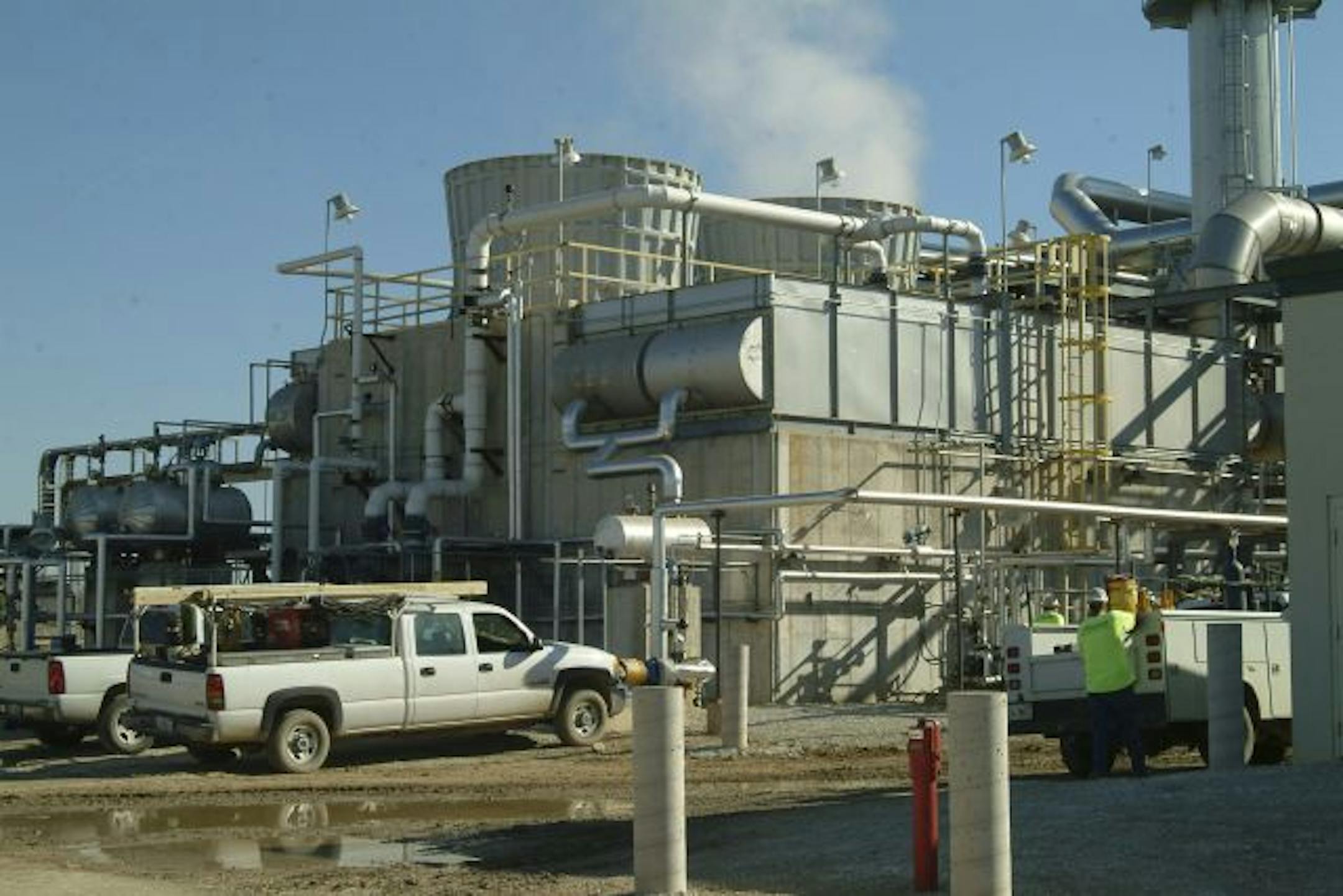
CANTON, I LL . -- A mile down an unpaved road on the outskirts of Canton, Ill., population 14,500, stands a shuttered ethanol plant.
Corn farmers in the area chipped in $5,000 to $300,000 each -- some even mortgaged their farms -- to form the Central Illinois Energy Cooperative. They broke ground on the refinery in 2006, hoping that ethanol would bring higher prices for their corn and more jobs for Canton, which has been hurting since International Harvester closed its plow factory in 1983.
But the ethanol plant was a poor replacement. Central Illinois Energy, the corporation that built the plant, went bankrupt in December 2007 without producing a drop of fuel, hurt by construction delays and $40 million in cost overruns. The 260 farmers in the co-op lost every dime.
Some of them blame the flameout on a poker-loving, libertarian math savant named Andy Redleaf, whose hedge-fund firm, Whitebox Advisors, now controls the plant.
With $2.7 billion in assets, Minneapolis-based Whitebox is one of a small group of bottom-fishing hedge funds looking to profit from the ethanol collapse. They're sifting through the wreckage of a highflying industry that started falling to earth on June 20, 2006.
That day, the price of ethanol, the main ingredient in moonshine whiskey, peaked at $4.23 a gallon on the Chicago Board of Trade, buoyed by a strong economy and President George W. Bush's pledge to replace 75 percent of the oil the United States imports from the Middle East with ethanol by 2025.
Distillers erected dozens of ethanol plants across the Great Plains, backed by some very smart money. Microsoft co-founder Bill Gates invested $84 million in Pacific Ethanol, based in Sacramento. Hedge fund managers David Einhorn and Daniel Loeb backed Denver-based BioFuel Energy Corp.
Then the financial crisis hit. Demand waned, and supply surged. BioFuel has made money in just two quarters since going public in June 2007. By December 2008, the price of ethanol had collapsed to $1.40 a gallon. Pacific Ethanol's plants went bankrupt.