Emergency care without the hospital: Private clinic chain expands in west metro

ER physician group bets that urgent care with higher-level staffing, diagnostics, imaging will appeal to patients and save money in complex cases.

The Minnesota Star Tribune
August 29, 2025 at 5:52PM
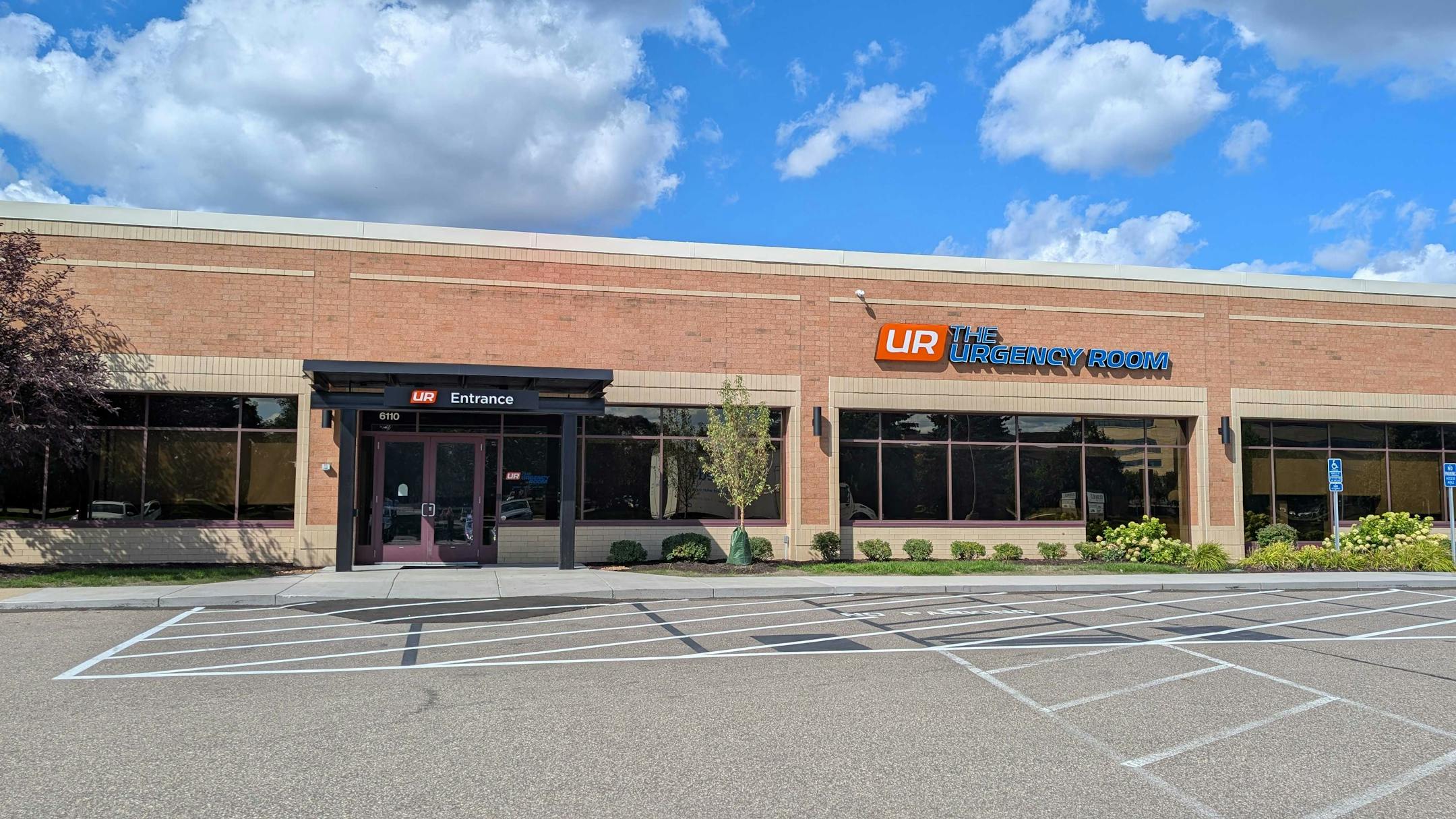
Emergency Physicians P.A., a group of doctors that staff hospital emergency rooms in the west metro area of the Twin Cities, opened their fourth Urgency Room, in Golden Valley, for patients with imminent medical needs that don't require hospital attention. (Jeremy Olson)

A group of emergency physicians is bringing its urgent care-plus model of medicine to the west metro area, following years of success in the east metro plus a couple nervy years during the pandemic.

The Urgency Room’s fourth Twin Cities location, in Golden Valley, started slowly by treating less than 100 patients in its first week. A blank whiteboard indicated zero patients during a visit Monday afternoon. But clinic leaders believe it’s a matter of time before it thrives like the locations in Eagan, Vadnais Heights and Woodbury that are staffed with ER doctors and have advanced imaging and lab capabilities.

The approach might be overkill for most patients with typical urgent care needs, such as tests for strep throat or persistent cough, but it saves time and money when treating patients with complex conditions who otherwise visit crowded hospitals, said Dr. Craig Matticks, the Urgency Room’s medical director.

“What we’re really good at in emergency medicine is figuring out what people have and figuring out what people need,” he said. “We’re bringing that into the outpatient setting for all those patients that don’t actually need immediate, critical interventions.”

The Urgency Room, a doctor-owned private practice, has grown despite competing in an urgent care marketplace dominated by large multispecialty health systems like Allina Health, HealthPartners and M Health Fairview. Each of the east metro Urgency Room locations treats more than 30,000 patients per year, Matticks said.

Emergency Physicians P.A. (EPPA) owns and staffs all four locations. The medical group started in the east metro to avoid competition with the hospital ERs at which its doctors work on contract, including Methodist Hospital in St. Louis Park, Southdale Hospital in Edina and North Memorial in Robbinsdale. But Matticks said they had been planning for years to add a west metro location.

Physician-owned treatment centers have faced criticism from community hospitals because they often set up in wealthier suburbs and limit their exposure to low-income and uninsured patients. The Urgency Room takes low-income patients covered by Minnesota’s Medical Assistance program and uninsured patients, though they must submit a $350 deposit before receiving care, according to its website.

EPPA’s urgent care model is unusual, but it’s responding to the same consumer demands that have resulted in more urgent care clinics nationally and also standalone emergency rooms, said Allan Baumgarten, a Twin Cities analyst of health care markets. Several “micro-hospitals” with ERs and limited inpatient care have opened in Wisconsin.

These alternatives appeal to younger, healthier adults who don’t have regular doctors, but also people with health concerns who don’t want to wait for hours in emergency rooms, Baumgarten said. There is also a profit motive for doctors to operate a facility they own, he added.

“They wouldn’t be doing it if they couldn’t make money off of it,” he said.

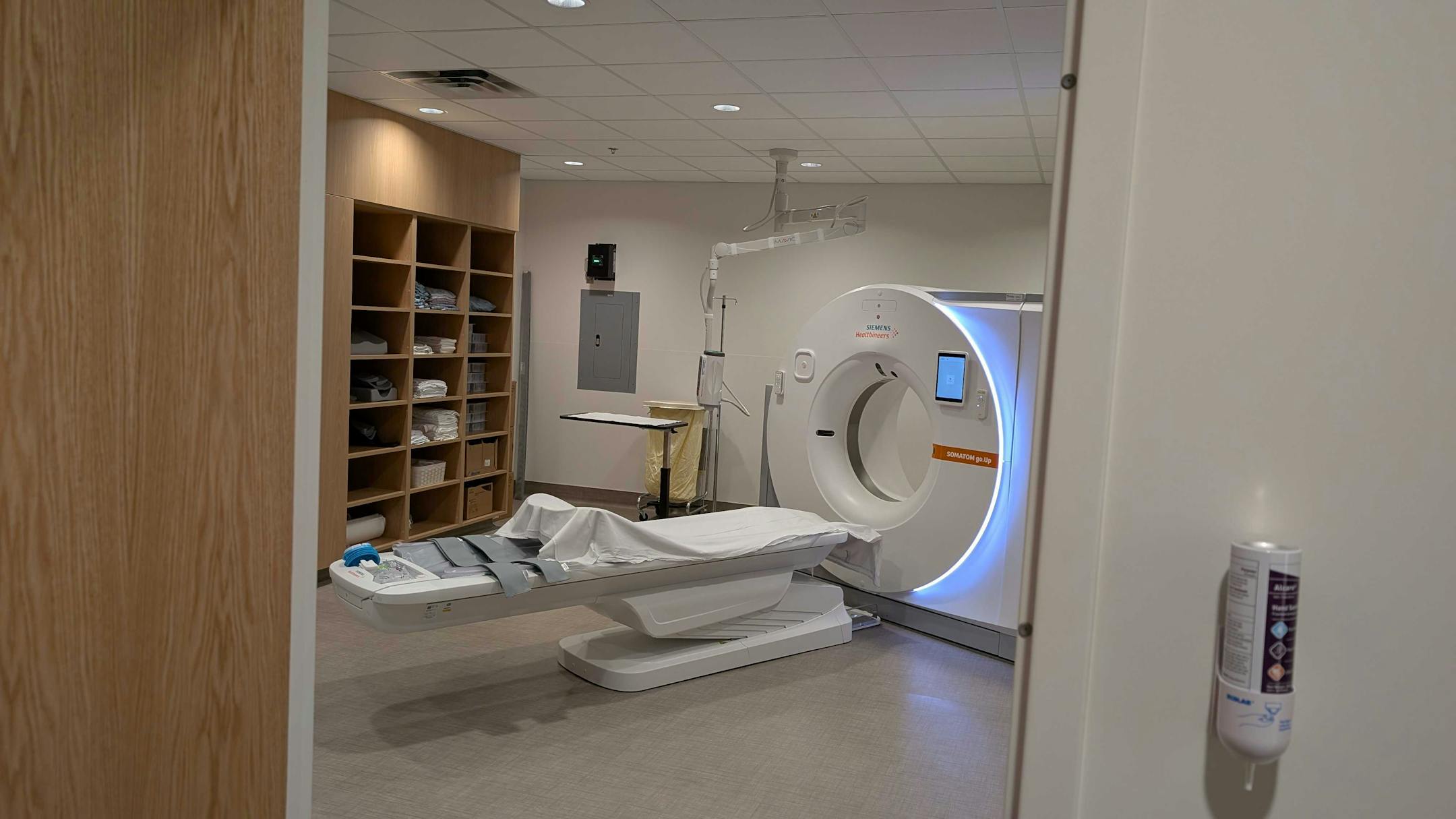
Touring the Golden Valley clinic, Matticks explained that it’s designed and equipped similarly to the other locations to make it easy for doctors to work in any one of them. The on-site lab makes it distinct from most urgent care centers because it can quickly identify a variety of infectious diseases, including COVID-19, and check the blood for proteins that can suggest blood clots or heart problems.

A private practice group of doctors who opened their fourth Urgency Room in Golden Valley believe that on-site resources such as a CT scanner will result in more patients being diagnosed and treated without going to crowded hospitals. (Jeremy Olson/The Minnesota Star Tribune)

Matticks pointed to a shelf in the lab that was stocked with Abbott Labs’ ID Now molecular diagnostic systems, which were in high demand during the pandemic. The Urgency Room locations had abundant supplies when COVID emerged, making them go-to sites for rapid testing.

“That was, I think, our lifeline from a survival perspective because the bottom would have dropped out otherwise,” he said. People stopped seeking medical care for routine and even serious problems for months out of fear of contracting COVID.

Patient activity has rebounded, and Matticks said the opening of a west metro location makes even more sense in the post-COVID medical marketplace. Hospital overcrowding has remained a problem and alternatives are needed, he said.

Hospitals have created their own solutions, such as a short-stay unit at M Health Fairview’s St. John’s Hospital that can treat patients without admitting them to inpatient beds. Many providers have added online appointments for medical concerns that don’t require face-to-face care.

The Urgency Room takes walk-in patients, but also schedules appointments and offers virtual care.

The clinics are open daily from 8 a.m. to 9 p.m.; after-hours patients are referred to hospitals. And while CT scans and ultrasounds at the clinics can diagnose many conditions, some patients need to go to hospitals for MRI scans or other types of imaging to identify strokes, blood-vessel blockages in their limbs, or neurological causes of vertigo, the doctor said.

The goal is to minimize the pressure on ERs and to provide faster care, Matticks said: “Our objective is to never have anybody waiting in the lobby.”

about the writer

about the writer

Jeremy Olson

Reporter

Jeremy Olson is a Pulitzer Prize-winning reporter covering health care for the Star Tribune. Trained in investigative and computer-assisted reporting, Olson has covered politics, social services, and family issues.

See Moreicon

More from Health Care

See More
card image
Leila Navidi/The Minnesota Star Tribune

Following concerns that Medtronic was overspending on the high-tech system and not developing it fast enough, FDA clearance is a major victory for the Minnesota-run medtech company.

Nancy Ingham gives newborn Sophia Rash a hepatitis B shot several hours after she was born, Jan. 17, 2006.
card image