

Opinion editor’s note: Strib Voices publishes a mix of guest commentaries online and in print each day. To contribute, click here.
•••
To declare that Duluth is “limping along on nostalgia,” as Howie Hanson did in an Aug. 11 commentary (“Cold lake, cold future”), ignores the progress of the last 20 years.
I use 20 years as a benchmark because that is about the time I moved here from southern Minnesota to attend the University of Minnesota Duluth. The forecast for 2035 by a local cynic isn’t a trajectory; it’s a falsehood told and believed by those who mistake the challenges of growth for wishful(?) signs of decay. Duluth isn’t just surviving; it’s moving forward, and the foundation is as strong as it has been in my lifetime. But like any city, Duluth has its challenges and issues to overcome.
The assertion that we treat Lake Superior like a “backdrop” is unfounded. For two decades, our strategy has been to leverage the lake not as a commodity but as the anchor for a quality of life that retains and attracts talent and investment, and not just for tourism like the writer claims. Duluth’s tourism isn’t a distraction; it’s an economic supplement that has funded the revival of our parks, trails and public spaces. Tourism makes it possible that a city of 86,000 can have world-class mountain biking trails, Canal Park, the Cross City Trail, the Lake Superior Zoo, the Great Lakes Aquarium, upgrades to Wade Stadium and the Lakewalk. These amenities aren’t just for tourists; they are for residents, and tourism revenue even supports the general fund. It is disingenuous and tilting at windmills to pit tourists vs. residents to score cheap political points.
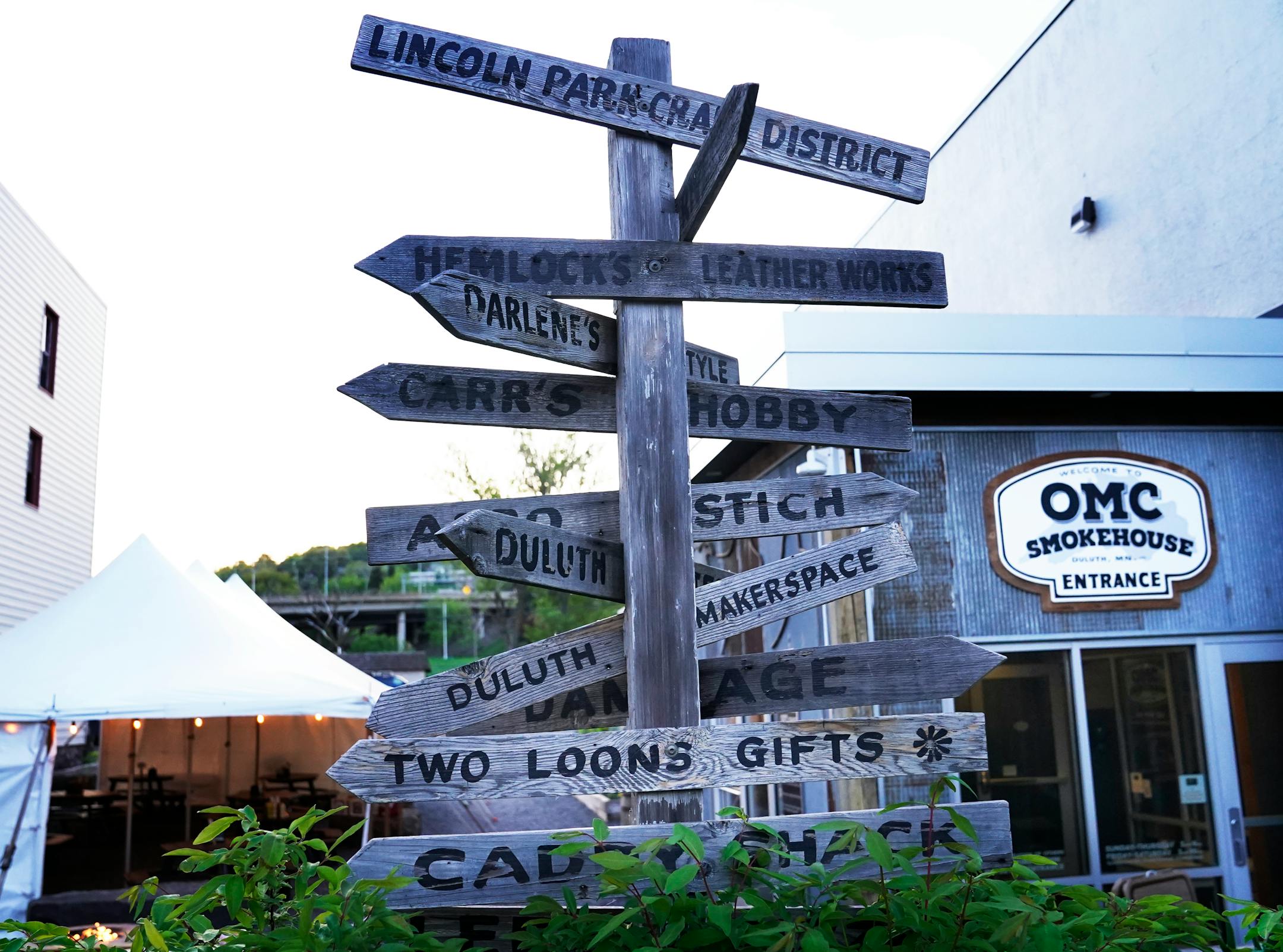
And what about the people who work here? The claim that Duluth is merely a low-wage tourist town is an exhausted talking point that ignores the data. The presence of three distinct colleges gives the city unique access to a skilled workforce, which we are now leveraging through the “Duluth Promise.” As Superintendent John Magas describes it, this isn’t just another program but a “robust pipeline of on-ramps and off-ramps” designed to prepare young adults for thriving careers with local employers in high-demand fields like health care, manufacturing and business technology. It’s already working. Students are getting hands-on experience and career opportunities, like the high schooler who landed a marketing internship with a local tech company or the student who found a career path at Cirrus and now says, “I want to be here. If everything still works out right and is good, I want to stay in Duluth.” Or look at the Lincoln Park Craft District, converting many old unused buildings and warehouses into more than 30 artisan shops, breweries and restaurants opening in the last decade alone. This isn’t the sign of a city “bleeding talent”; it’s the mark of a city that talent is choosing to stay and invest in.
The housing crunch is real and is a direct symptom of success. People want to live here. Demand is high because Duluth offers a unique combination of urban amenities and natural beauty. We are seeing more housing development now than at any point in the last 30 years, with more than 1,000 new housing units recently completed or in the pipeline. We should also explore strategies that go beyond just meeting the numbers outlined in our housing report; we should explore or invest in housing models that de-commodify a portion of our housing market. This means supporting innovative approaches that ensure long-term affordability and stability for residents like coops, community land trusts or other shared equity housing. We are not on the precipice of another billboard campaign of “will the last one to leave please turn out the lights.”
To suggest our civic leaders are “arguing about flowerpots” ignores the once-in-a-generation investments that have reshaped our city. This includes more than $1 billion in investments by Essentia Health and Aspirus St. Luke’s in a health care sector that contributes more than 28,000 jobs to our local economy. It includes the revitalization of the St. Louis River corridor and strategic modernizations of our port, which continues to be a huge economic engine that ships more $1 billion in cargo annually. These choices are positioning Duluth as a national hub for innovation and technology and outdoor life, from our natural resources to local end-users and beyond, with global reach via the port and the airport. As for downtown? We have two significant victories in having resolutions come from the burned-down Kozy and the defunct Shoppers ramp, paving the way for useful development in the near future.


