![Schmidt Brewery on West Seventh Street in St. Paul, MN on December 5, 2012. ] JOELKOYAMA•joel.koyama@startribune.com As previously reported, housing developer Dominium is proceeding with the long-awaited conversion of the former Schmidt Brewery on West Seventh Street in St. Paul after many years of trying to get an apartment development deal done there. In my angle, I'm going to focus on the environmental clean-up/remediation effort that will need to come first. The site will](https://arc.stimg.co/startribunemedia/664LPF7HOMFR2HDQGCWBTQK3XI.jpg?&w=1080)
Thief River Falls-based Digi-Key, a quiet giant with 2,600 employees and a global reach, was the sponsor of Saturday's Minnesota State Robotics Competition at Williams Arena. Nearly 800 students from across Minnesota and their team robots battled (circuit board to circuit board) in a competition that included a few flying saucers.
"We call robotics the varsity sport for the mind," quipped Tony Harris, chief marketing officer of Digi-Key. "This is kind of our version of a hockey tournament. We've got hundreds of kids and schools involved in all kinds of neat robotics. It's free, it's fun and we're glad to join the Minnesota State High School League in shining a light on the competition."
Digi-Key, an Internet-based distributor of the electronic components that go into phones, cars and other equipment, also is interested in expanding the talent pool and furthering math and science education.
"These kids are the innovators of tomorrow," Harris said. Digi-Key also is the sponsor of hometown favorite, Thief River Falls Lincoln High School's "Robotics Team Pro-Digi," one of the state finalists.
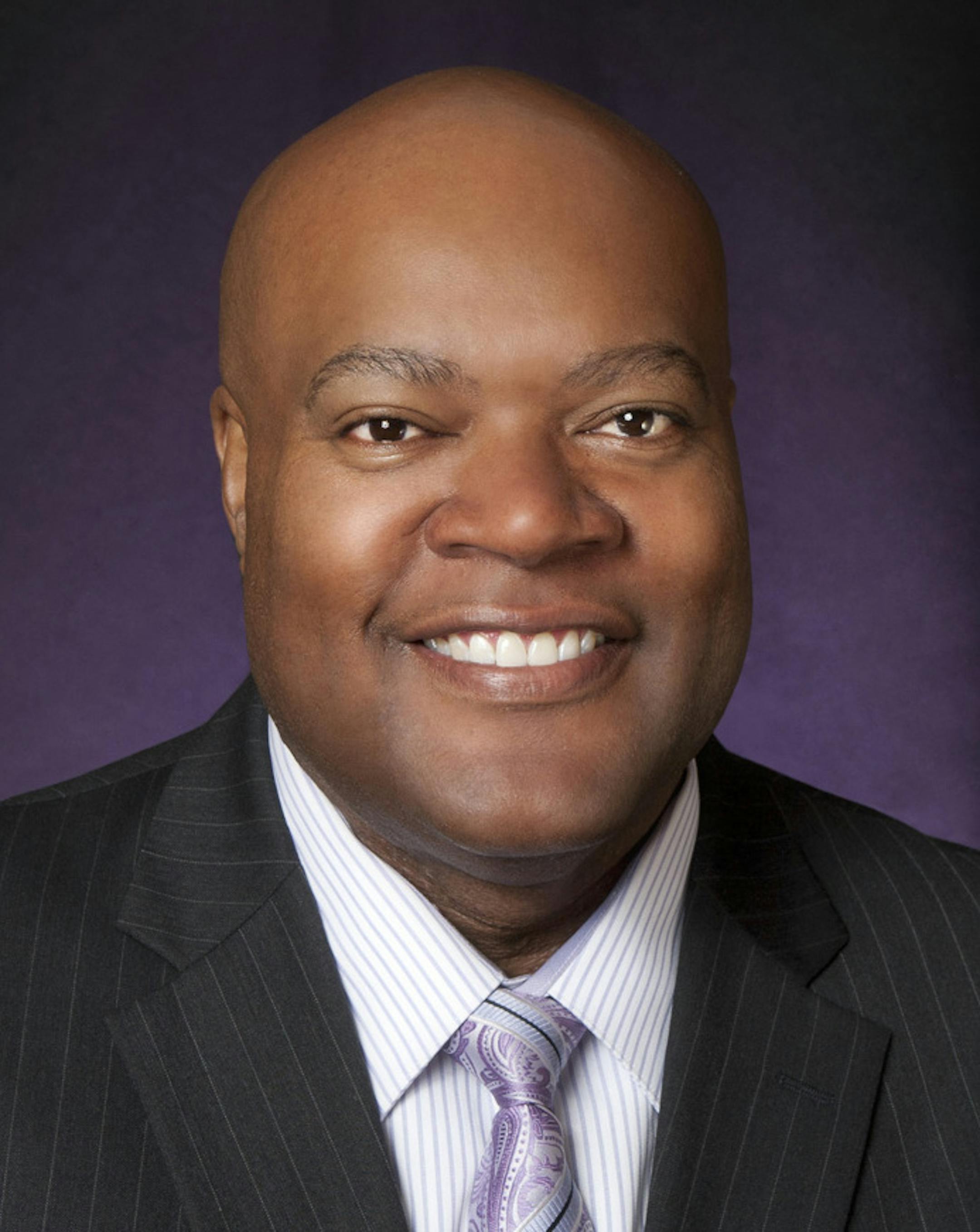
Harris, a former University of St. Thomas lineman dubbed Buddha by teammates, was dwarfed Saturday by King Robota, an 8-foot-tall interactive celebrity robot.
U.S. Bank and affordable housing
U.S. Bank says it made $253 million in Twin Cities community development loans and other investments, up 17 percent from 2011. That money funded new affordable housing and revived vacant properties. The company said the Twin Cities was its single-biggest recipient of community development loans, tax credit investments and philanthropy. Banks insured by the Federal Deposit Insurance Corp. are graded by bank regulators, in addition to their financial health, on service to low-income neighborhoods. U.S. Bank's investments include:
• Twin Cities Restoration Fund, which provides developers access to short-term capital they need to redevelop properties in neighborhoods hit hard by the foreclosure crisis.
• Sienna Green II, a 50-unit affordable housing project in Roseville developed by nonprofit developer Aeon and financed by U.S. Bank.