Death of man at Texas detention facility raises fears for others taken there from Minnesota

Attorneys for several people who were detained by ICE in Minnesota this month and are now at the same Texas facility say it’s plagued by poor conditions and reports of abuse.

The Minnesota Star Tribune
January 24, 2026 at 12:00PM
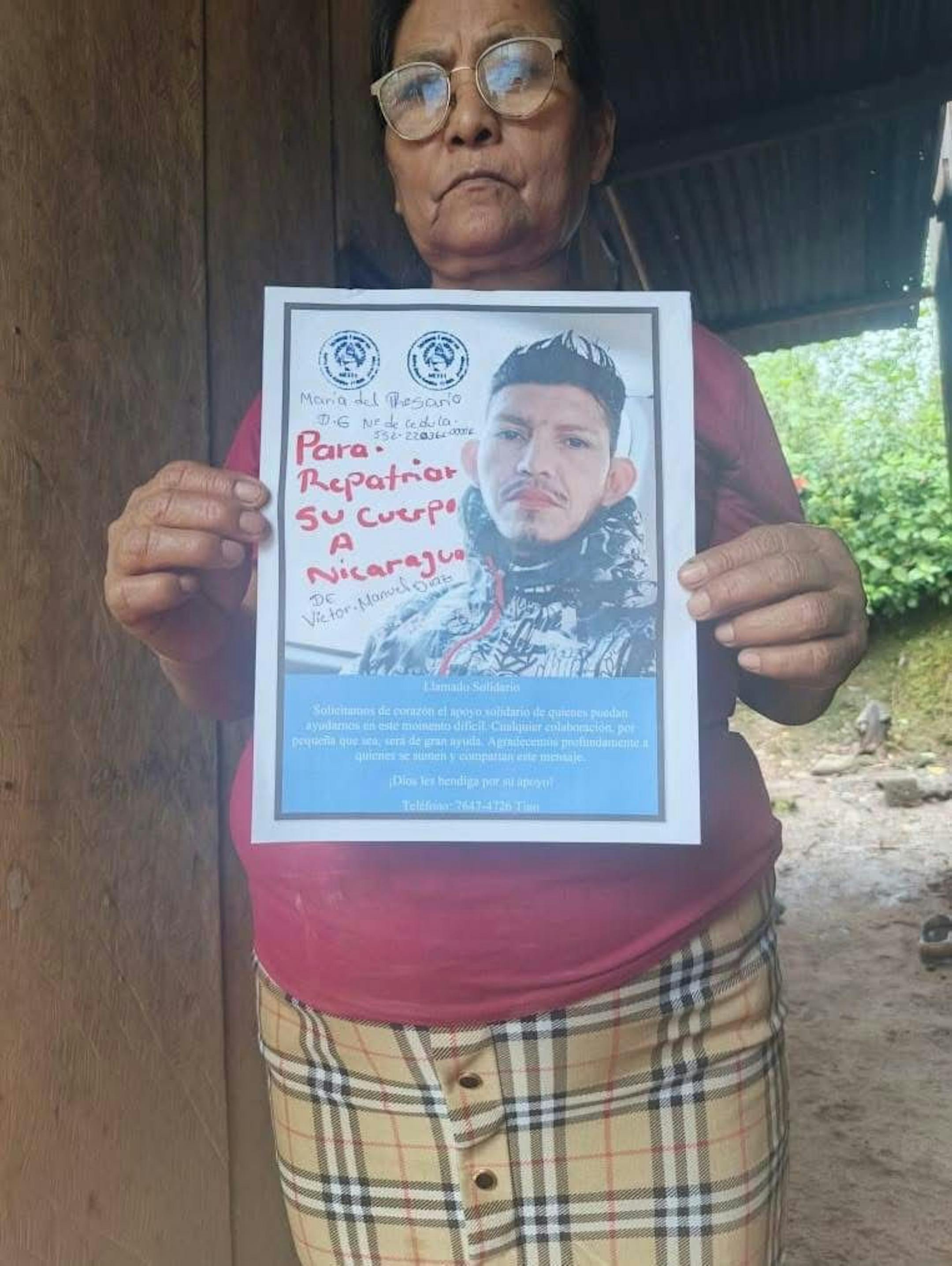
Victor Manuel Diaz, who was detained in Minneapolis Jan. 6, died in a Texas detention facility Jan. 14. (Photo provided by his family's attorney)

The family of a Minnesota man who died at a Texas facility eight days after he was detained in Minneapolis is questioning the circumstances of his death and demanding a more thorough investigation.

Victor Manuel Diaz died Jan. 14 after being found unconscious in the Camp East Montana detention center in El Paso, Texas. Four days later, ICE announced the news, saying in a statement that his death was a “presumed suicide," though the official cause of death remains under investigation.

Diaz, a 34-year-old father of two, is the third immigrant to die at the makeshift tent facility at Fort Bliss since it opened last August, and which has been plagued by reports of substandard conditions. His death prompted advocacy groups to demand the camp be closed and is also fueling fear for the safety of other Minnesota detainees sent there in recent weeks.

The El Paso county medical examiner said the death of another detainee in early January at the camp likely will be classified as a homicide after witnesses saw him being choked to death by guards, according to the Washington Post, despite federal officials saying the detainee died after attempting to take his own life.

That case shows the need for an independent autopsy in Diaz’s case, said Randall Kallinen, a Houston attorney hired by Diaz’s family. He said after Diaz’s death, ICE decided to have their own doctor perform his autopsy.

“We want our own autopsy done just to check for signs of what really happened,” he said.

Gov. Tim Walz, Sens. Amy Klobuchar and Tina Smith and other local leaders have called for a full investigation into the death, with Walz adding that it’s “deeply disturbing, especially after reports of growing concerns about the conditions at this facility.”

In December, the ACLU and other human rights groups sent a letter to ICE describing beatings and sexual abuse of immigrants by officers at the camp, among other concerns about the poor conditions and human rights violations.
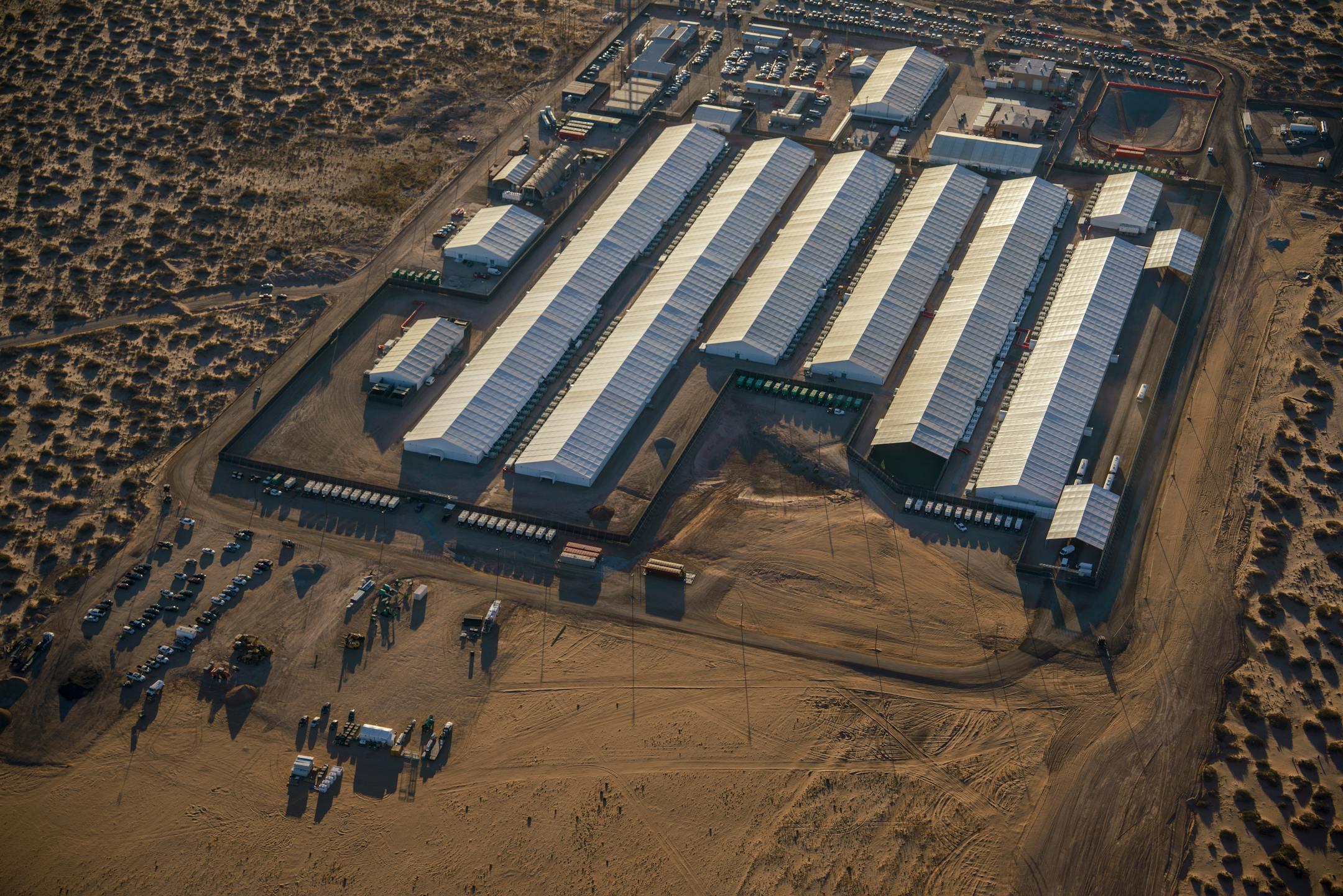
Camp East Montana is an Immigration and Customs Enforcement detention facility built at Fort Bliss in El Paso, Texas. (PAUL RATJE/The New York Times)

Reports of poor conditions at Texas facility

According to ICE, Diaz illegally entered the U.S. in 2024 on the Mexican border and after processing, was served a notice to appear before an immigration judge and released on parole pending his court date.

On Jan. 12, two days before he died, ICE gave a final order of removal, according to the ICE statement, which said Diaz was 36, not 34. ICE didn’t list any criminal record for Diaz besides the immigration violation.

Kallinen said Diaz, who was originally from Nicaragua, had reported to immigration officials. He said he wasn’t sure if Diaz was seeking asylum.

“According to his relatives and friends, he had come into the United States and then declared that he was there illegally,” Kallinen said. “He wasn’t just sneaking in the United States.”

Diaz had no criminal record, and was working at a Twin Cities restaurant, saving up money to build a house back in Nicaragua for his mother and two sons, who are 15 and 10 years old, Kallinen said.

Maria Del Rosario Dias Garcia is the mother of Victor Manuel Diaz, who was detained in Minneapolis and taken to Camp East Montana in El Paso. He died Jan. 14. (Provided)

The concerns Diaz’s family and their lawyer have about the conditions of the facility are shared by many of the Minnesota detainees heading to Texas.

Jane Graupman, executive director of the International Institute of Minnesota, said refugees with legal residence are being swept up in what ICE is calling Operation PARRIS. Recently, ICE knocked on the door of a local Afghan family. When they gained entrance, they took the husband to Texas — only to release him a few days later in Texas, Graupman said.

“How are they supposed to get back home?” she said.

Julia Decker, policy director at the Immigrant Law Center of Minnesota, said they’re hearing increasing reports of Minnesota detainees being transferred to Texas and often, she said, they don’t find out about someone being taken to Texas before it’s too late.

“Where our lawyers are able to fight back and litigate and make a difference for people in the system, we continue to do that,” she said.

Claudia Chu was detained by five ICE agents Jan. 9 while working as a personal care attendant, said her friend Justin, a naturalized citizen who doesn’t want to give his last name for fear of retribution.

He talked to Chu’s social worker at the Center for Victims of Torture, a St. Paul nonprofit, who Chu called while seated in the ICE car as she was being detained. She’s a legal resident who was applying for asylum and has been working as a personal care attendant for two years, he said.

She has no criminal record, not even a traffic ticket, he said. She was also taken to Camp Montana East. Days later, Justin flew to El Paso but ICE officials wouldn’t let him see her because she hadn’t been processed, he said. Later, a security guard let him visit with Chu for an hour. She said she hadn’t eaten.

“The food they gave her was frozen, and it was expired,” he said. “I’m afraid for her.”

He returned to Minnesota to get Chu’s list of pain medications, and then tried for four days to see her again but was denied, he said.

According to ICE, all people in custody get medical, dental and mental health intake screenings within 12 hours of arriving at a facility. They get a full health assessment within 14 days of entering ICE custody or arrival at a facility as well as access to medical appointments and 24-hour emergency care, officials say.

‘This is unprecedented’

Terja Bouvin Larsen represents four people taken to Camp East Montana — one of whom is an 18-year-old woman detained while enroute to Anoka-Ramsey Community College.

The 18-year-old has a thyroid condition and arrived in El Paso with serious abdominal pain. “She never got any medication while she was there,” Bouvin Larsen said.

Her client, who is in the U.S. legally, was on a plane home on Jan. 23, but her documents were taken away.

“This is unprecedented,” Bouvin Larsen said.

Minneapolis immigration attorney Anthony Sosa represents a Cuban man with a pending asylum application who was also taken to Camp East Montana.

“He’s complied with everything,” Sosa said. “He’s not the ‘worst of the worst.’”

When the man arrived at Fort Bliss, he said he wasn’t feeling well and requested medical assistance, but he wasn’t seen by medical staff for five days — at which time he was diagnosed with COVID, Sosa said. He was placed in quarantine, and Sosa has been unable to speak with him — only with his spouse.

She told Sosa: “The food is terrible and there’s a lack of hygiene.”

U.S. Department of Homeland Security Assistant Secretary Tricia McLaughlin said in a statement in response to the Washington Post’s reporting about Camp East Montana that “any claim that there are ‘inhumane’ conditions at ICE detention centers are categorically false.”

“This is the best health care that many aliens have received in their entire lives,” she said. “Ensuring the safety, security, and well-being of individuals in our custody is a top priority at ICE.”

At Camp East Montana, two of Kim Boche’s clients who are both younger than 21 were given a blanket and a towel and put in a holding cell with a total of 40 people — twice its capacity, said Boche, a supervising attorney for Minneapolis-based Advocates for Human Rights.

Boche successfully fought for their return to Minnesota. One client made it home, she said, despite having no contact with the lawyer. The facility had just one phone available in his cell, she said, and it was passed back and forth with another cell.

“My client said many of the detainees were never able to call their family,” she said. “He’s living in fear and having trouble sleeping. This is going to affect kids for a very long time after they are released.”

about the writer

about the writer

James Walsh

Reporter

James Walsh is a reporter covering social services, focusing on issues involving disability, accessibility and aging. He has had myriad assignments over nearly 35 years at the Star Tribune, including federal courts, St. Paul neighborhoods and St. Paul schools.

See Moreicon

More from News & Politics

See More
card image

A legal permanent resident believed he left his criminal past behind. Now the Twin Cities auto shop owner is facing possible deportation.

card image
card image