

Opinion editor’s note: Star Tribune Opinion publishes a mix of national and local commentaries online and in print each day. To contribute, click here.
•••
In response to the question of why the system for community mental health care did not get fully built in this state, the Star Tribune’s Curious Minnesota team did its best, handicapped as it was by probably not being born at the time and therefore forced to rely on the accounts of finger-pointers.
I watched deinstitutionalization unroll in real time (“Mental health care’s long road,” May 17). And, yes, the inadequacy of federal funding was part of the problem — but only a small part.
Once first-generation antipsychotics became available (in the 1950s), states across the country saw an opportunity to shed the responsibility for the care of (what seemed like, but really not) an increasing number of folks with serious mental illnesses. If these folks could be discharged to the community (an entirely new concept) and receive outpatient services from federally funded community mental health centers, the states would save a ton of money.
This plan was doomed in several respects:
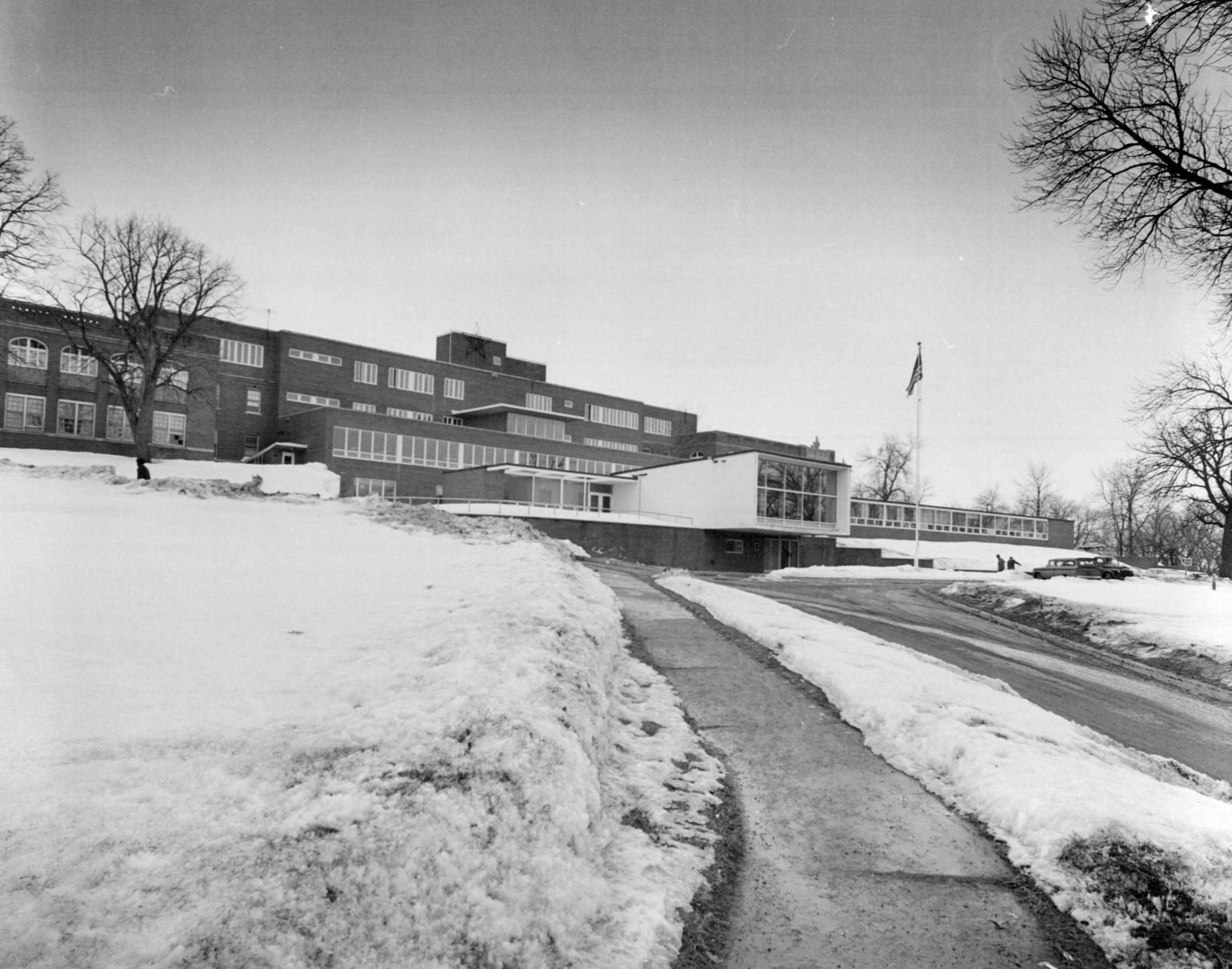
• As one might expect, the largest expense in operating a state hospital was staffing. Discharging patients proved relatively easy, cutting state jobs, not so much. For example, when Minnesota proposed closing Hastings State Hospital, which primarily served folks from Ramsey County, it held hearings to receive public input — not in St. Paul, where the families of these patients lived — but in Hastings, where the employees lived. The suggestion that hospital staff could “follow” the patients into the community was not well-received. And as patient populations were reduced by 70%, over the decade of the 1960s, staffing was reduced by roughly 20%.
• In addition to mental health services, state hospitals had always provided housing, food, non-mental health care and — often, as in an example cited — employment. Community mental health centers never even contemplated providing any such services.


