

Annette Meeks' commentary about wake boats is titled "Don't make Minnesota the land of countless lakes ... but no fun" (Opinion Exchange, Sept. 14).
Here are some facts about what Meeks' "fun" costs the environment:
A wake boat's propeller can extend into the water four feet.
In order to produce waves over three feet high, wake boat sterns sit low in the water. The propeller wash from the powerful motor can damage or uproot vegetation and stir up sediment, impacting the lake bed 16 feet deep. Phosphorus freed from the sediment can fuel algae and bacteria blooms, creating problems ranging from nuisance conditions to fish kills and serious health problems. The disturbed sediments also decrease water clarity, making it less attractive, and limiting the depth sunlight can penetrate to sustain plant growth.
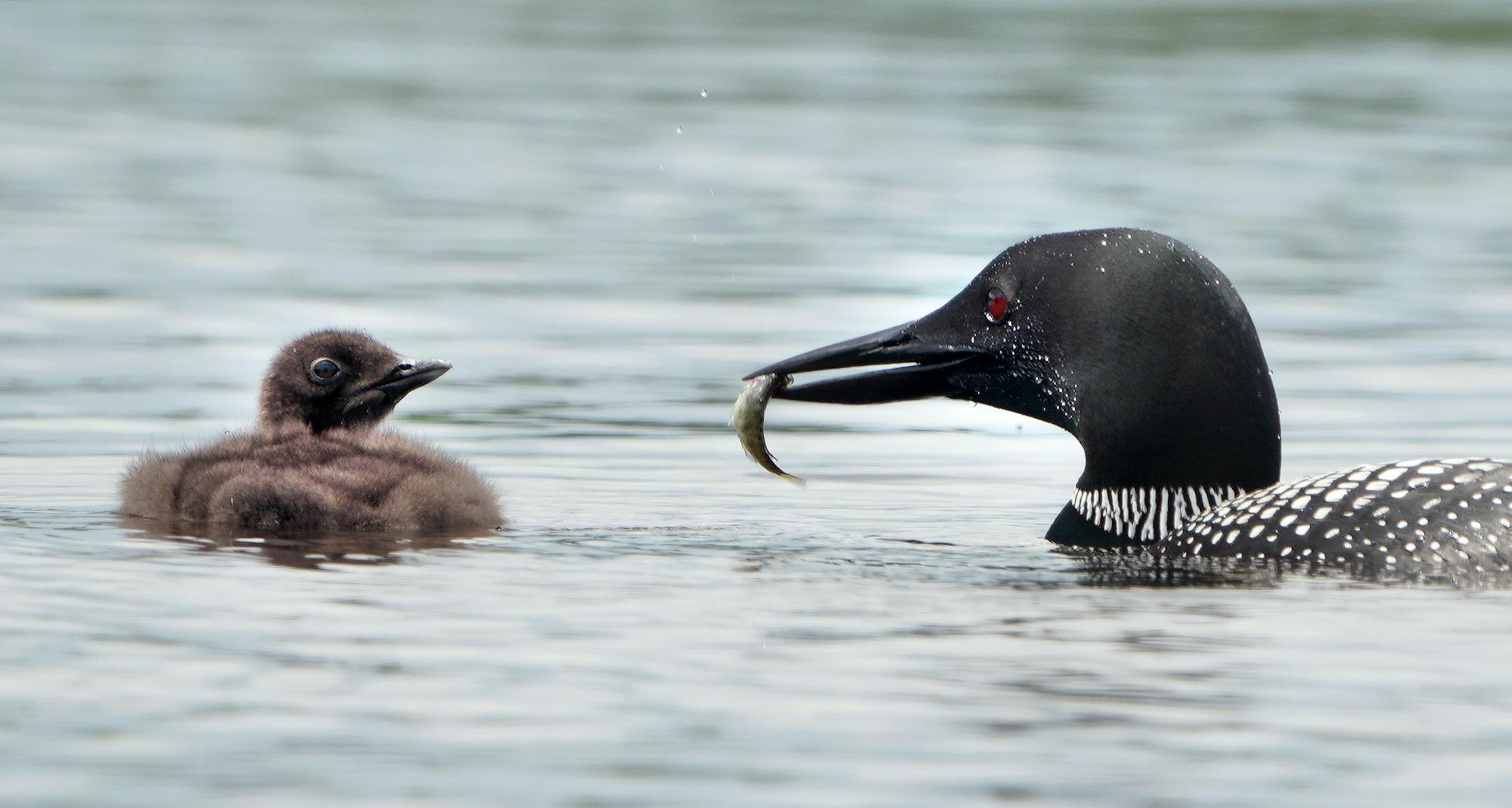
Massive wakes can affect loons, fish and other wildlife.
Loons build their nests in vegetation like cattails, right on the edge of the water in calm areas. The eggs are just inches above the water. The chicks don't hatch until June or early July. Large wakes can destroy the nest and wash the eggs into the water.
In addition, the murky water created by disturbed sediments disrupts the ability of loons, otters and many fish to spot their prey.
Many fish have "nests" in shallow water.


