Congress explores reforms in Medicare program at center of DOJ probe into UnitedHealth

The Medicare Advantage program pays insurers more to cover sicker patients, but critics say the documentation process is being abused.

July 24, 2025 at 8:35PM
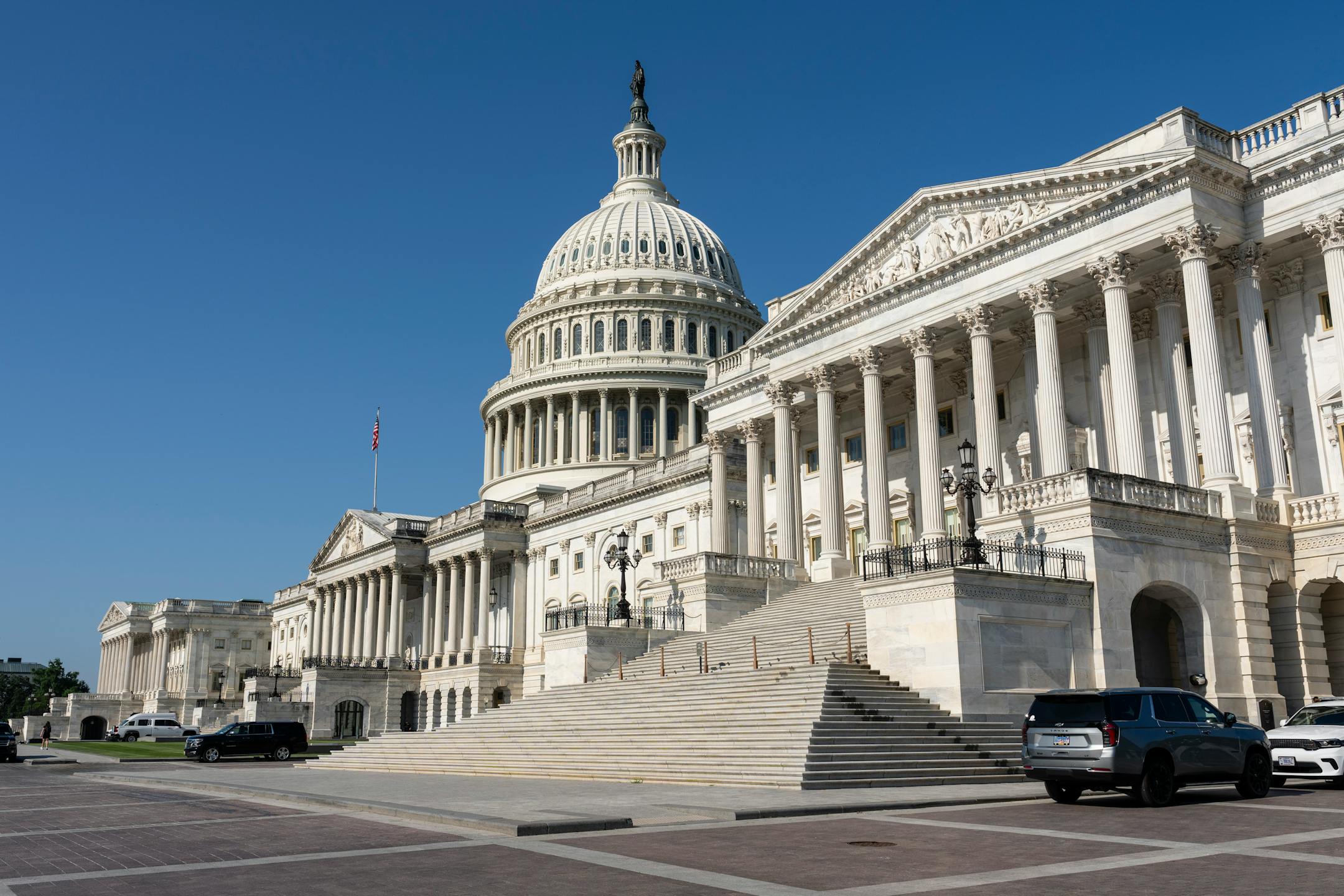
The U.S. Capitol in Washington, D.C. Lawmakers are pondering reforms to the popular Medicare Advantage program just as the nation's largest insurer, UnitedHealthcare, acknowledges it is cooperating with a Department of Justice probe into its private Medicare program. (Eric Lee/The New York Times)

UnitedHealth Group’s confirmation of a federal probe into its Medicare business comes as Washington lawmakers call for reforms to the sprawling Advantage program, which covers most of the program’s beneficiaries.

Medicare Advantage (MA) has for years been a lucrative line of business for private health insurers. Yet questions about an arcane, technical process called “risk adjustment” have ensnared UnitedHealth.

Scrutiny of risk adjustment practices has spurred a series of scolding federal audits and at least one large financial settlement between another insurer and the federal government.

Rep. Lloyd Doggett, a Texas Democrat and ranking member of the House Ways & Means Health subcommittee, called UnitedHealth’s confirmation of a Justice Department investigation “hardly shocking.”

“What has been shocking is the health conglomerate’s business practices edging out competitors, denying and delaying necessary care, retaliating against critics and pressuring providers,” Doggett said in an email to the Minnesota Star Tribune.

Calls for change to Medicare Advantage came earlier this week as subcommittees on Health and Oversight at the House Ways and Means Committee held a joint hearing to examine lessons learned over more than two decades.

Meanwhile, the Trump administration in May rolled out what it called an aggressive strategy to enhance and accelerate Medicare Advantage audits.

Dr. Mehmet Oz, administrator of the Centers for Medicare and Medicaid Services (CMS), said in a statement at the time: “While the administration values the work that Medicare Advantage plans do, it is time CMS faithfully executes its duty to audit these plans and ensure they are billing the government accurately for the coverage they provide to Medicare patients.”


The pressure for reform is undeniable, and could drive changes that curtail what critics have described as a taxpayer-funded party for health insurers.

Yet MA has been hugely popular with seniors and any changes made for Medicare program integrity could raise concern about the financial consequences for beneficiaries.

“I wouldn’t say the party’s over — I think people are just getting rid of the open bar,” said Michael Chernew, a professor of health care policy at Harvard University who studies the economics of Medicare, during an interview earlier this summer.

In the MA program, seniors elect to receive their standard Medicare benefits for doctor and hospital care, plus prescription drugs, from a private health insurer.

These private insurers can set rules for where seniors get their covered services and determine if payments for recommended treatments are justified and meet Medicare standards.

Risk adjustment is the process in which insurers submit data on the health status of their MA enrollees. The more complex their health care, the higher the payments from the government.

It’s a key part of the program because health insurers otherwise would have a financial incentive to avoid covering patients who need expensive care. But it’s also where UnitedHealth Group and other industry players are now being scrutinized.

Last year, a report from the Office of Inspector General at the U.S. Department of Health and Human Services (HHS) found UnitedHealth Group stood out from its peers — but wasn’t alone — in using questionable diagnosis data to boost MA risk adjustment payments by billions of dollars.

In September 2023, the Connecticut-based health insurance giant Cigna agreed to pay $172.2 million to resolve allegations it violated federal law. The U.S. government alleged Cigna submitted and failed to withdraw “inaccurate and untruthful” diagnosis codes for its MA enrollees to increase payments from the federal government.

Will Medicare Advantage benefits change?

MA was launched in the 1990s and expanded in the mid-2000s with bipartisan legislation that established the Medicare Part D drug benefit. It now covers a majority of Medicare beneficiaries. Some lawmakers have zeroed in on the program’s risk adjustment funding.

“The most effective step the [Trump] Administration can take in cutting waste, fraud, and abuse in federal health care programs is by reining in the wasteful practices of corporate health insurers in the MA program,” Massachusetts Sen. Elizabeth Warren wrote in a March letter co-signed by Minnesota Sen. Tina Smith and six other Democratic senators.

The letter did not name UnitedHealth, but the company is the nation’s largest MA insurer. Senators asked HHS Secretary Robert F. Kennedy Jr. to further crack down on alleged “upcoding,” in which insurers are thought to manipulate diagnosis data to make patients look sicker and gain more federal dollars.

“The challenge is: Anything you do to tighten up risk adjustment can have an impact on the benefits that people get,” Chernew said. “The questions are: By how much, and which benefits are affected? Program integrity is an important goal, but I don’t think anybody wants to destroy the Medicare Advantage program.”

UnitedHealth Group, which runs UnitedHealthcare, the nation’s largest health insurer, has long defended the MA program and continues to do so.

“MA plans do a much better job of identifying and documenting health risks than traditional fee-for-service Medicare,” the company said in a December statement.

Insurers argue the large MA market share, which has built steadily over the past two decades, speaks to its popularity. It has been chosen by nearly 35 million seniors and individuals with disabilities nationwide, according to America’s Health Insurance Plans (AHIP), the trade group for health insurance companies.

Reforming Medicare Advantage

At Tuesday’s congressional hearing, Doggett quoted the viral video of a Texas plastic surgeon who said a patient was on the operating table when a message arrived from UnitedHealthcare with a question on coverage for the procedure.

“Stories like hers are why I’ve asked the Justice Department to expand its investigation into United,” said Doggett.

Rep. David Schweikert, an Arizona Republican who has introduced legislation to reform aspects of MA, noted some insurers resisted providing information on coding data for Medicare beneficiaries.

In advance of the House hearing, AHIP argued MA plans deliver coordinated care, substantial cost savings and comprehensive benefits that far exceed what’s provided under Medicare’s original fee-for-service program.

Medicare doesn’t have a cap on out-of-pocket spending, AHIP noted, whereas MA plans limit expenses annually. People in original Medicare often handle this risk by buying “Medicare supplement” policies, but premiums often far exceed the cost of an MA plan.

“It is clear that Medicare Advantage is working for the beneficiaries who choose it,” AHIP said in a statement.

about the writers

about the writers

Christopher Snowbeck

Reporter

Christopher Snowbeck covers health insurers, including Minnetonka-based UnitedHealth Group, and the business of running hospitals and clinics.

See Moreicon

Christopher Vondracek

Washington Correspondent

Christopher Vondracek covers Washington D.C. for the Minnesota Star Tribune.

See Moreicon

More from Health Care

See More
card image
Leila Navidi/The Minnesota Star Tribune

Following concerns that Medtronic was overspending on the high-tech system and not developing it fast enough, FDA clearance is a major victory for the Minnesota-run medtech company.

Nancy Ingham gives newborn Sophia Rash a hepatitis B shot several hours after she was born, Jan. 17, 2006.
card image