

Opinion editor's note: Star Tribune Opinion publishes a mix of national and local commentaries online and in print each day. To contribute, click here.
•••
My favorite part of election night was the concession speeches — particularly in races that may have been close enough to justify a recount.
Seriously.
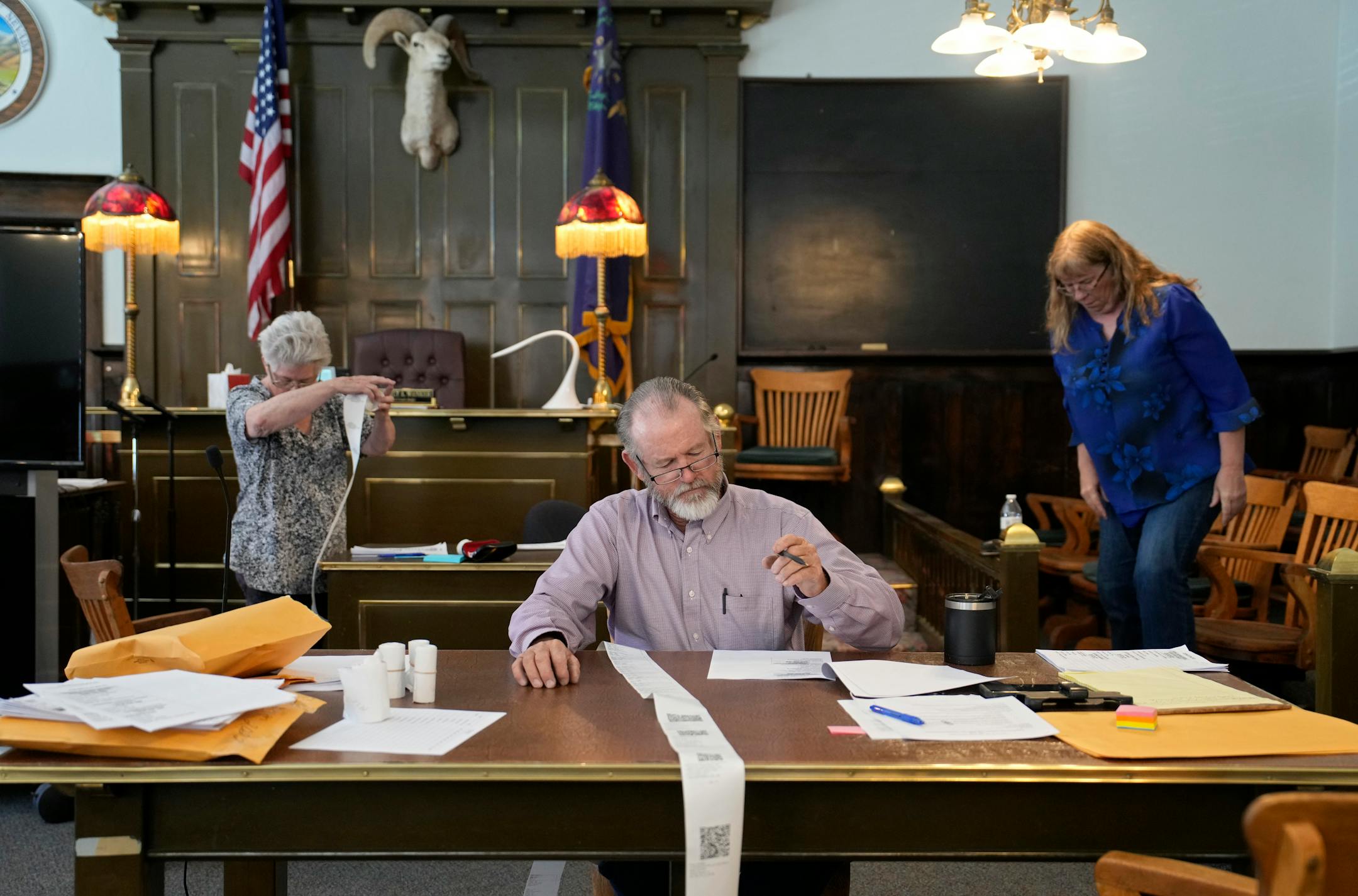
In a nation as fractured as this one, there may be no electoral skill as important as losing with grace. Yet when the electoral margin is small, we've been conditioned to expect candidates to drag us through second, third, even fourth counts of the votes, weeks of litigation, and a grim refusal to give ground. The refusal to admit defeat has plagued the nation since the founding, but in recent years it's grown worse. In our highly polarized era, resentment over a candidate's defeat in a close election can feed a cynical resentment that, as we've seen, flares easily into violence.
That's a key reason concessions matter. They help democracy move forward. A study of the 2020 electorate found that a strong majority of voters who cast ballots for Donald Trump would have accepted the result as legitimate had Trump conceded. And although I haven't the data to prove the point, I've long believed that the fury over the 2000 election result would have been smaller had the parties not resorted to litigation.
This advice applies even to the candidate who genuinely thinks the tally is wrong. Because consider the alternative. On Election Day, X loses to Y by a razor-thin margin. A recount a week later has Y winning ... also by a razor-thin margin. Why should the counting now end? Why shouldn't X be entitled to an additional recount just to make sure, and so on, ad infinitum? There's no logical stopping point. (Most of us probably trust the count that puts our candidate on top.)
Besides, recounts provide a lot less information than we imagine. In fact, there's often reason to doubt that they're more accurate than the election night tally.


