

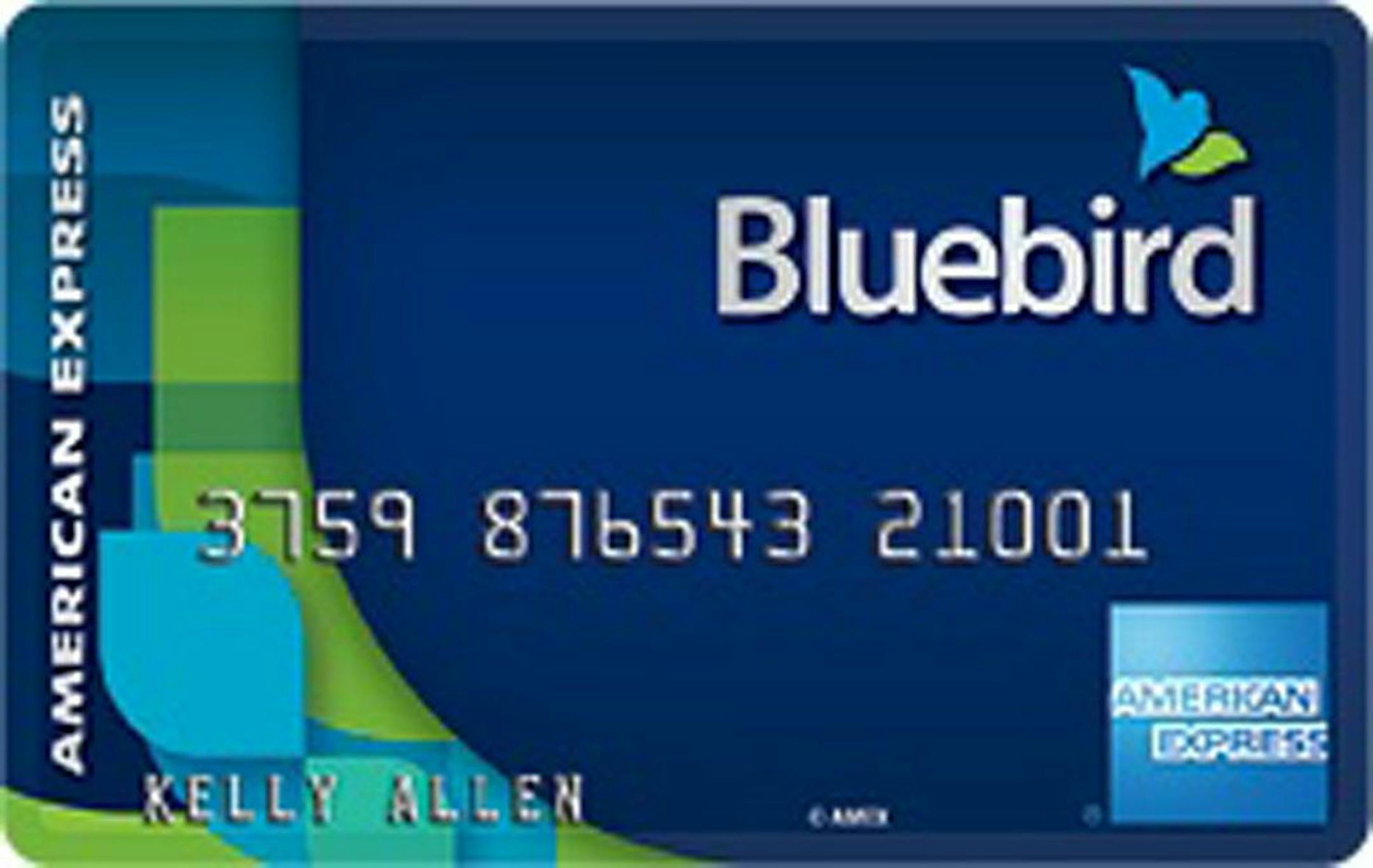
An exploding market for prepaid plastic cards is bringing new convenience to consumers but raising concerns that the largely unregulated products could put people at risk with big fees and inadequate protections.
Dollars loaded onto prepaid debit cards will double to $106 billion by 2016, according to research and consulting firm Aite Group, not including the growing number of payroll cards used by employers such as McDonald's and Wal-Mart. There are already scores of options, many with colorful names such as BlueBird, Liquid, Mango and Yap.
But while prepaid cards are often used as a substitute for a bedrock checking account, they come with far fewer rules to guard against things like hidden fees. Most prepaid cards charge between seven and 15 individual fees, according to a study by Pew Charitable Trusts, including fees for live customer service or loading more money.
The concerns have attracted the attention of the Consumer Financial Protection Bureau, which is planning to issue new rules.
"It's like the Wild West in terms of the different fees and policies," said Odysseas Papadimitriou, CEO of CardHub.com. "The card issuers have a million different fees and everyone calls it something else. Consumers are completely confused about them."
Even the nation's banking giants have jumped into the game. In the past two years many of the top commercial banks have introduced consumer prepaid cards, including JPMorgan Chase & Co., Wells Fargo & Co. and Minneapolis-based U.S. Bancorp, which was already big in payroll cards.
Madeline Aufseeser, a senior analyst at Aite Group, calls it "the last mile driving toward the cashless society." Prepaid cards, once considered a fringe product, are now a mass market phenomenon, she said.
With checking less profitable for them, big banks are working to recoup revenue lost from new restrictions on what they can collect on checking account overdrafts and in debit card swipe fees.


