
Clinic on wheels brings acupuncture, pain relief to opioid overdose hot spots

State-funded mobile clinic launches at the same time as Minnesota cuts chiropractic benefits from Medicaid.

The Minnesota Star Tribune
October 3, 2025 at 11:00AM
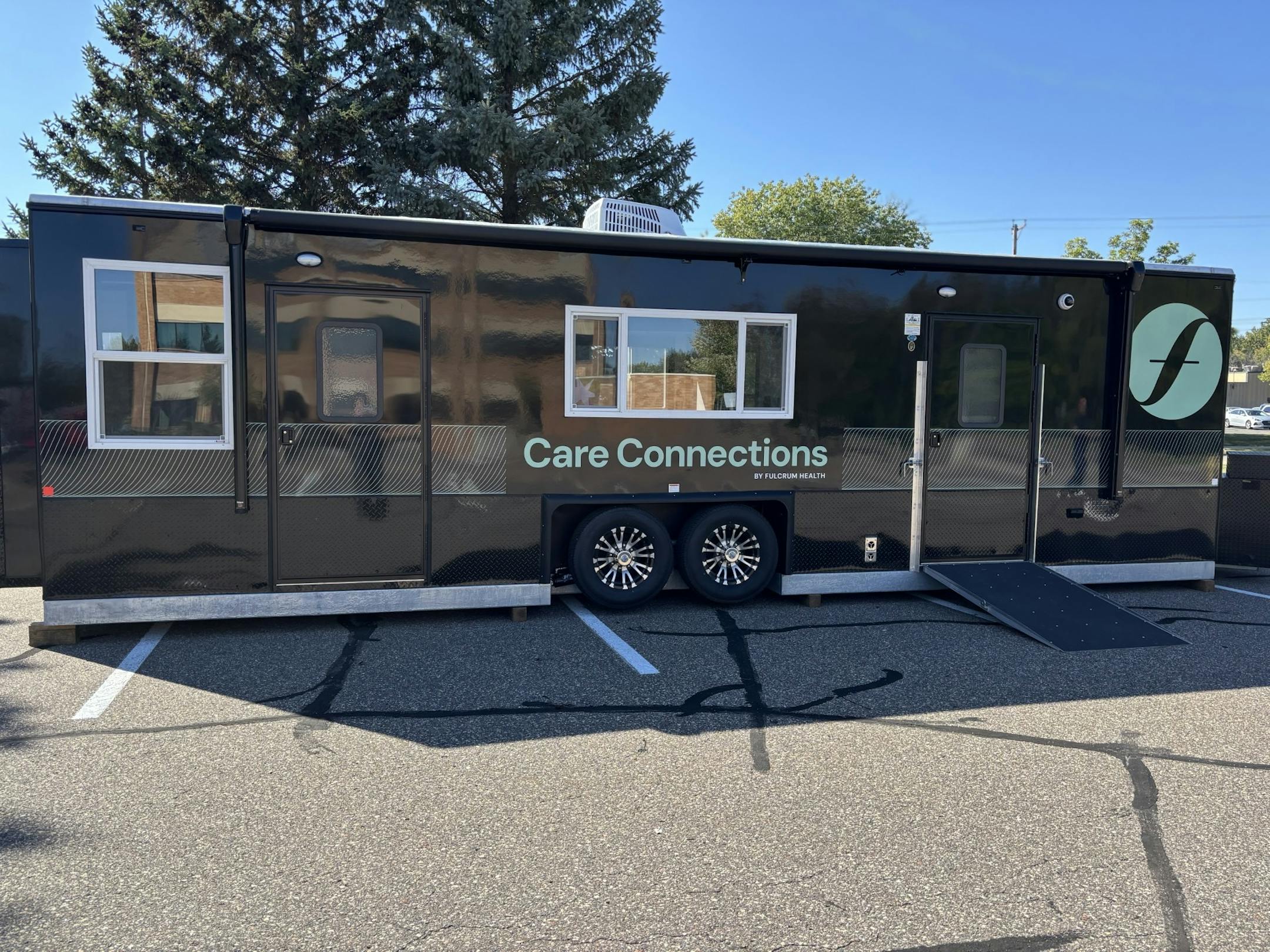
Fulcrum Health is using a three-year state grant to bring a mobile physical health clinic to Anoka, Hennepin and Ramsey counties to provide alternative sources of chronic pain relief to prescription opioid drugs.

Fulcrum Health is bringing a clinic on wheels to hot spots for opioid overdose activity in the Twin Cities and offering chiropractic care and other pain relief alternatives to taking addictive prescription drugs.

Starting Monday, patients can seek free care by appointment or walk-up visits at the mobile clinic, which is debuting at Zion Lutheran Church in Anoka and will spend the next year in Anoka County. Data analysis found elevated rates in the county of opioid and chronic musculoskeletal disorders.

The type of treatment will vary day by day but will include acupuncture, massage and physical therapy, said Vivi-Ann Fischer, chief clinical officer for Fulcrum, which maintains a network of physical medicine providers in Minnesota. The goal is to reverse a health care trend of trying painkillers first and physical medicine alternatives second, if at all, she said.

Physical medicine services are considered “first-line therapies to manage pain” by the Centers for Disease Control and Prevention and others, she said. “And their guidelines note physicians should consider opioids as the last option for treatment and only in patients who have failed [trying] other therapies.”

The $318,000 in funding for the clinic, called Care Connections, is coming from the Minnesota Department of Human Services and will last three years.

UCare, a Minneapolis-based health insurance company, supported the clinic by using claims data to identify areas where patients suffer high rates of neck and back pain, as well as chronic headaches. The clinic, as a result, will spend its first year in Anoka County before moving to Hennepin and Ramsey counties.

“These counties also correspond to higher volumes of non-fatal opioid overdose and deaths,” Fischer said.

Minnesota is funding the mobile clinic even while it cuts coverage of one type of physical medicine, chiropractic care, from its Medical Assistance and MinnesotaCare health plans for poor and disabled residents. Gov. Tim Walz proposed the cut, which was approved by the Legislature and will take effect Jan. 1, to save up to $6 million per year and reduce the state’s budget deficit.

Fischer said that is unfortunate timing, because the mobile clinic will be increasing interest in chiropractic care right when benefits are stripped. On the other hand, the mobile clinic will be a free resource for people who still need chiropractic care but can no longer afford it.

Widespread use of prescription painkillers such as oxycodone has been linked to an increase in overdose deaths — from fewer than 400 deaths per year in Minnesota a decade ago to more than 1,000. Most deaths now involve potent, illicit fentanyl narcotics, but health officials warn that overuse of common prescription painkillers can lead to illicit use and contribute to overdoses.

Minneapolis earlier this year used funds from a lawsuit settlement with opioid manufacturers to launch its own mobile clinic, which provides medications to counteract opioid cravings as well as wound care and mental health screenings.

about the writer

about the writer

Jeremy Olson

Reporter

Jeremy Olson is a Pulitzer Prize-winning reporter covering health care for the Star Tribune. Trained in investigative and computer-assisted reporting, Olson has covered politics, social services, and family issues.

See Moreicon

More from Business

See More
card image
Evan Ramstad/The Minnesota Star Tribune

DigiKey seven years ago made a huge bet on staying in Thief River Falls. It built the state’s largest building, adopted new processes and sees no limits to its opportunities.

card image
Berkshire Hathaway Chairman and CEO Warren Buffett, left, and Vice Chairman Charlie Munger, briefly chat with reporters Friday, May 3, 2019, one day before Berkshire Hathaway's annual shareholders meeting. An estimated 40,000 people are expected in town for the event, where Buffett and Munger preside over the meeting and spend hours answering questions. (AP Photo/Nati Harnik) ORG XMIT: NENH1