
Opinion | China wants to take Taiwan. Here’s why Minnesotans should care.

The costs are too great for America to turn its back now.

October 5, 2025 at 3:07PM
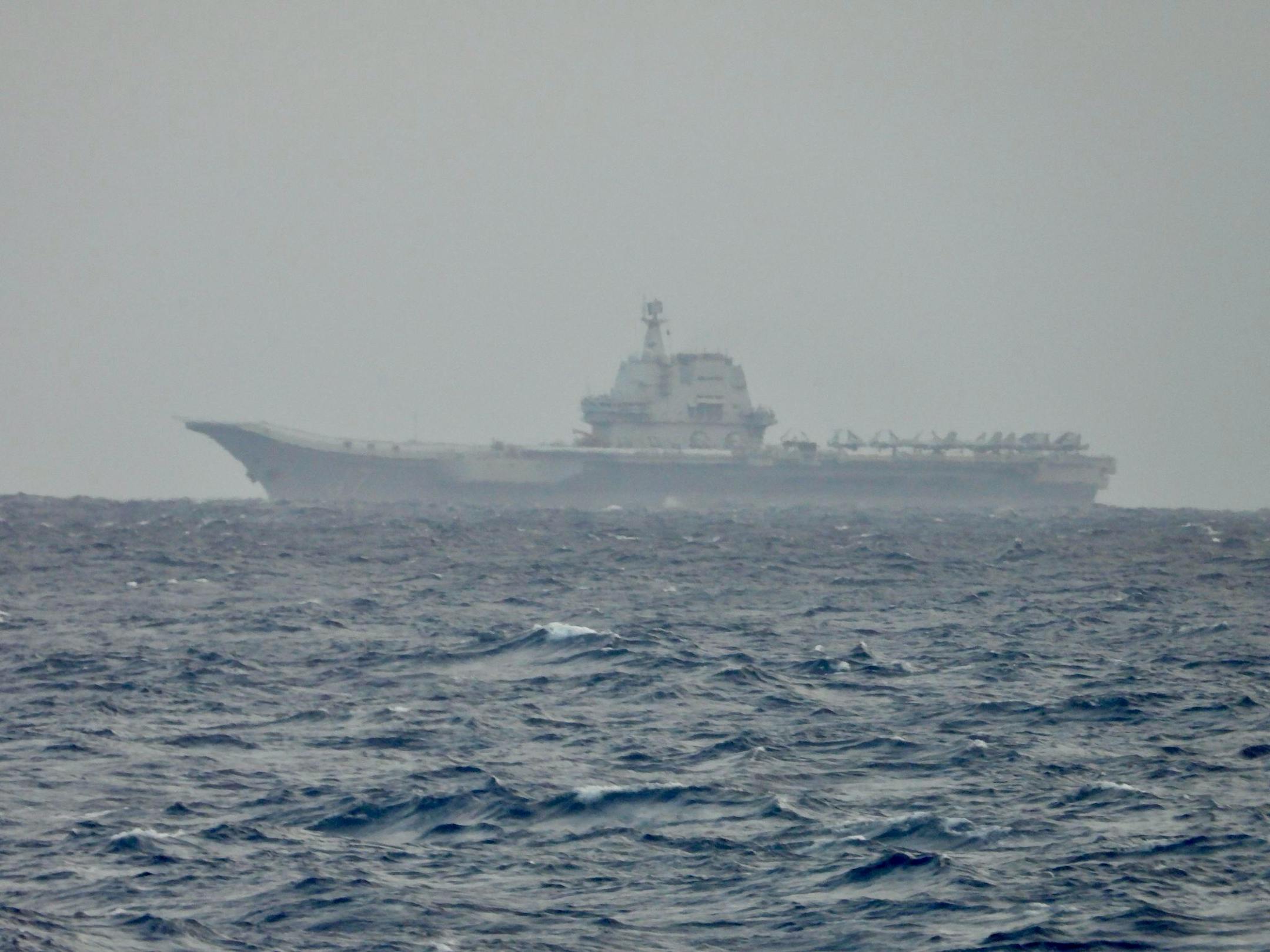
This image released by the Taiwan Ministry of National Defense shows China’s Shandong aircraft carrier sailing near Taiwan on March 31. (Taiwan Ministry of National Defense via AP)

Opinion editor’s note: Strib Voices publishes a mix of guest commentaries online and in print each day. To contribute, click here.

•••

China wants to take Taiwan. The United States shouldn’t let that happen. If Taiwan falls, Minnesota will feel it.

For years, the U.S.-backed island nation of Taiwan has been governed independently of the Communist-controlled mainland. But under President Xi Jingping, China has ratcheted up tensions, and is believed to have ordered its military to develop by 2027 the capabilities to retake the island by force if necessary.

Documents leaked recently also show the extent to which Russia has taken the tactics it learned in the Ukraine war and has been teaching them to China: air insertion, lightning assault, and drone warfare.

It’s clear to Taiwan what it would lose if it came under China’s control: its national autonomy, democracy and civil liberties. But what would China gain? As a millennium fellow at the Atlantic Council, I traveled to Taiwan in November 2023 to ask that question, meeting with then-President Tsai Ing-wen and other Taiwanese officials, touring semiconductor plants and talking to civil society leaders. What I came away with was a dire warning for which America should prepare.

1. Near monopoly on the most critical infrastructure of the AI age

Taiwan’s semiconductor industry produces more than 85% of the world’s most advanced microchips. These chips are the brains of all modern electronics, from the cellphones and TVs we purchase at Best Buy to the lifesaving medical devices made at Medtronic and used at the Mayo Clinic. American consumers have been at the mercy of chip shortages, from the slowdown in electric vehicle production to increases in consumer prices exacerbating inflation.

The CHIPS Act, which aims to boost U.S. manufacturing of semiconductors, has begun disbursing $39 billion to build major factories across the country, including $123 million for Polar Semiconductor in Bloomington. But even with that investment, Taiwan’s microchips are so advanced that they can’t be replicated anywhere else anytime soon.

Touring the Taiwanese facilities, I saw campuses larger than the University of Minnesota’s teeming with the most skilled chip engineers in the world, suiting up in clean suits to work 12-hour shifts in plants that operate 24 hours a day every day of the year. If electricity went out for even a microsecond, millions of dollars in chips would be spoiled. That’s a level of talent, culture, and infrastructure that money just can’t buy.

These chips are important because they unlock artificial intelligence and the next generation of military hardware. In other words, if China were to take Taiwan, it would not only control one of the most critical inputs to Minnesota’s economy, but the most important technology of our age and for American security itself.

2. The keys to the Pacific Ocean

The U.S. is a Pacific nation. Midwesterners may forget, but over 90% of the 11 million-plus square kilometers of water that make up our Exclusive Economic Zone is in the Pacific. This area — a 200-nautical-mile circumference around territories such as Alaska, Hawaii, Guam, Wake Island and others — is where we enjoy a monopoly on fishing, oil drilling and natural resource exploration. For Americans concerned by rising prices, all these goods can make it to Minnesota tariff-free. For the rest of the world, the U.S. has allowed clear shipping lanes and free navigation of the seas.

On the other hand, China has long shown a thirst for land and a troubling disregard for its neighbors’ rights, seizing by force many islands in the South China Sea. China has also expressed interest in exerting more control over the shipping lanes that fall within its jurisdiction, a troubling prospect as half of the world’s container ships pass through the Taiwan Strait on a daily basis.

Nestled between Japan and the Philippines, Taiwan is the cork that bottles up the Chinese Navy in the South China Sea. With Taiwan under mainland control, the cork would be popped, allowing China to exert more control on maritime traffic, encroach on our waters and increase the potential for military confrontation.

3. A people who are no longer ethnically “Chinese”

In each of the cities we visited from Taipei to Kinmen Island (just a short swim from the mainland), young people I met consistently affirmed that the biggest misconception of Taiwanese people is that they are “half Japanese and half Chinese,” when in reality they feel “half Japanese and half American.” The development of this independent identity has accelerated since the independence-minded Democratic Progressive Party won Taiwan’s last three presidential elections.

One of the reasons Ukraine was so effective at resisting the Russian invasion was that it had an independent identity worth fighting for. With the backing of the Western alliance, average Ukrainian citizens were able to fight to a stalemate what was widely believed to be the second strongest military in the world.

American values include standing with free people everywhere to resist imperialism, and when we keep faith with our Ukrainian and Taiwanese allies, all would-be conquerors think twice about the costs. When U.S. Reps. Pete Stauber, Brad Finstad and Michelle Fischbach from Minnesota’s congressional delegation follow Marjorie Taylor Greene in voting to strip funding for Ukraine, instead of Rep. Tom Emmer in supporting it, China listens.

The surest way to prevent a war is to deter it. The costs are too great for America to turn its back now.

Nathan Bruschi is the managing partner of Anchorwork Inc., a private equity firm based in Bloomington. He lives in Edina.

about the writer

about the writer

Nathan Bruschi

More from Commentaries

See More
card image
Fairview Health Services

The intense negative reaction from the University of Minnesota administration is concerning.

card image
card image