

Mushroom lovers, scrounge around your local forest.
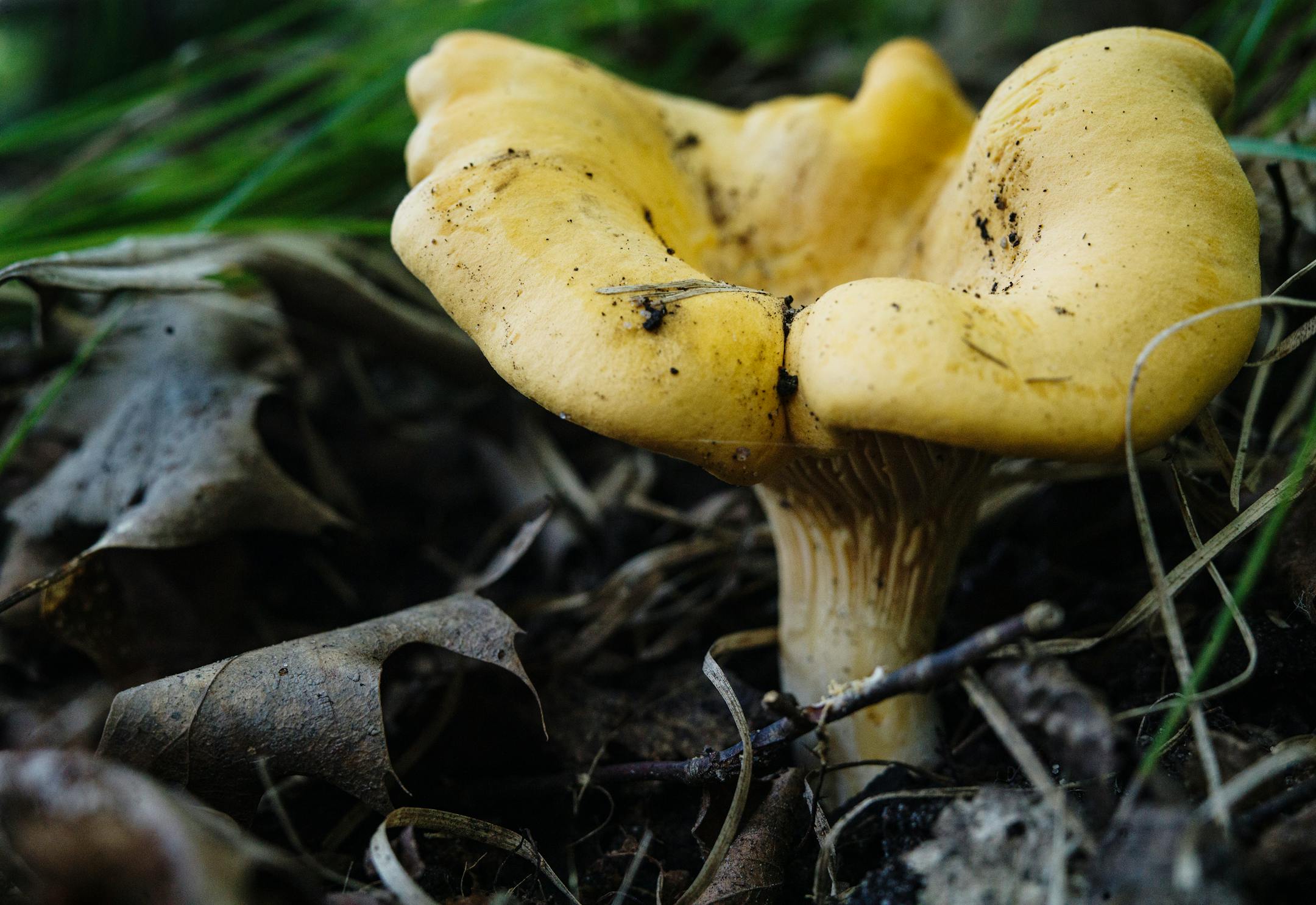
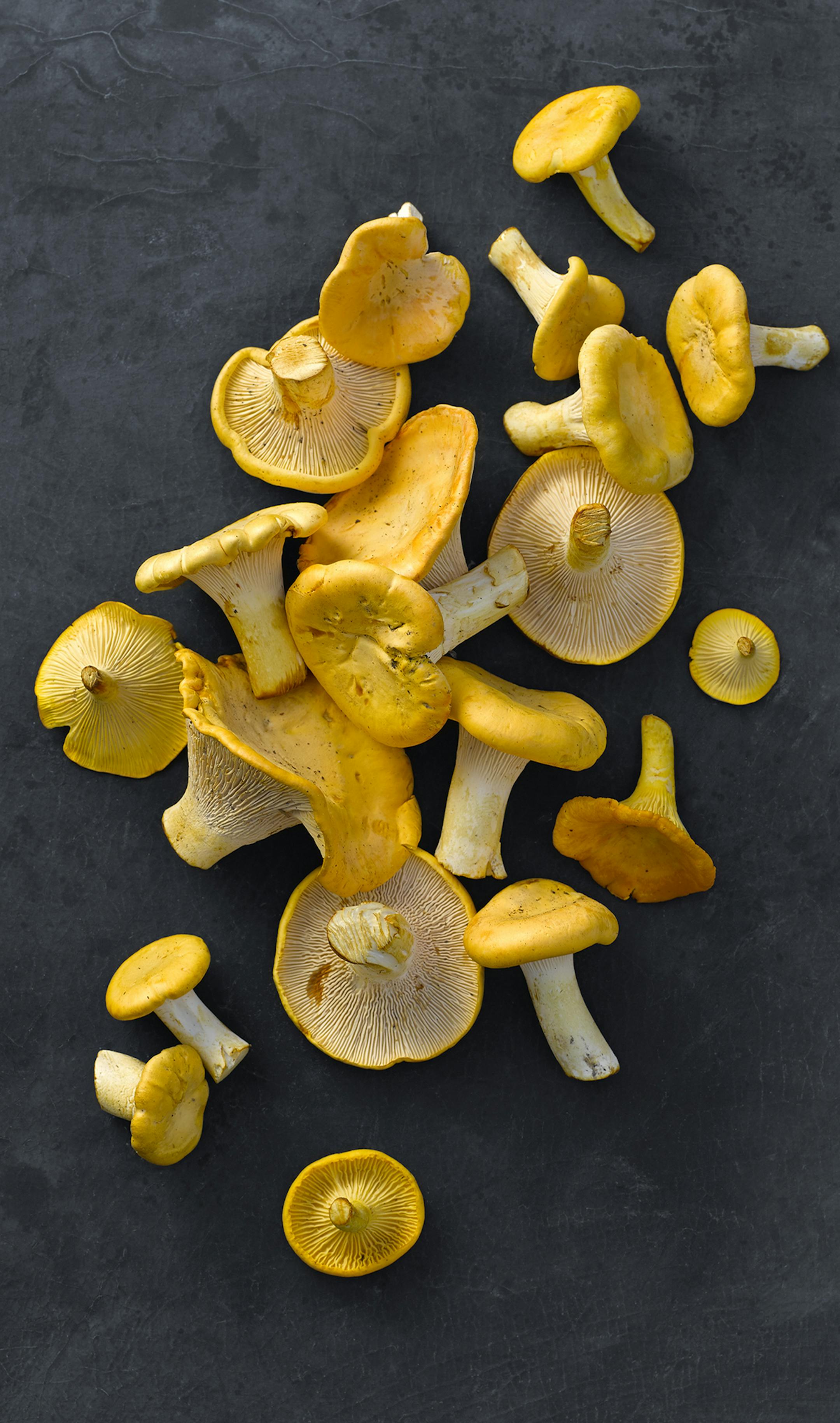
Minnesota’s widest variety of tasty wild mushrooms pop up mid-summer through fall. And with frequent rain, expect them to be prolific this year. Among the most tasty and popular finds are yellow chanterelles, which stand out with their deep golden hue, creamy white flesh and an earthy, nutty flavor with a hint of apricot.
Roughly trumpet-shaped, yellow chanterelles show up between July and September, but the season can start early or go late if conditions are right. The sweet spot for finding them often runs between the last week of July and mid-August.
The Minnesota Mycological Society’s blog shows how the appearance of chanterelles changes, with caps starting out rounded with a depression in the middle before spreading out, flattening and turning upward with wavy edges as they mature.
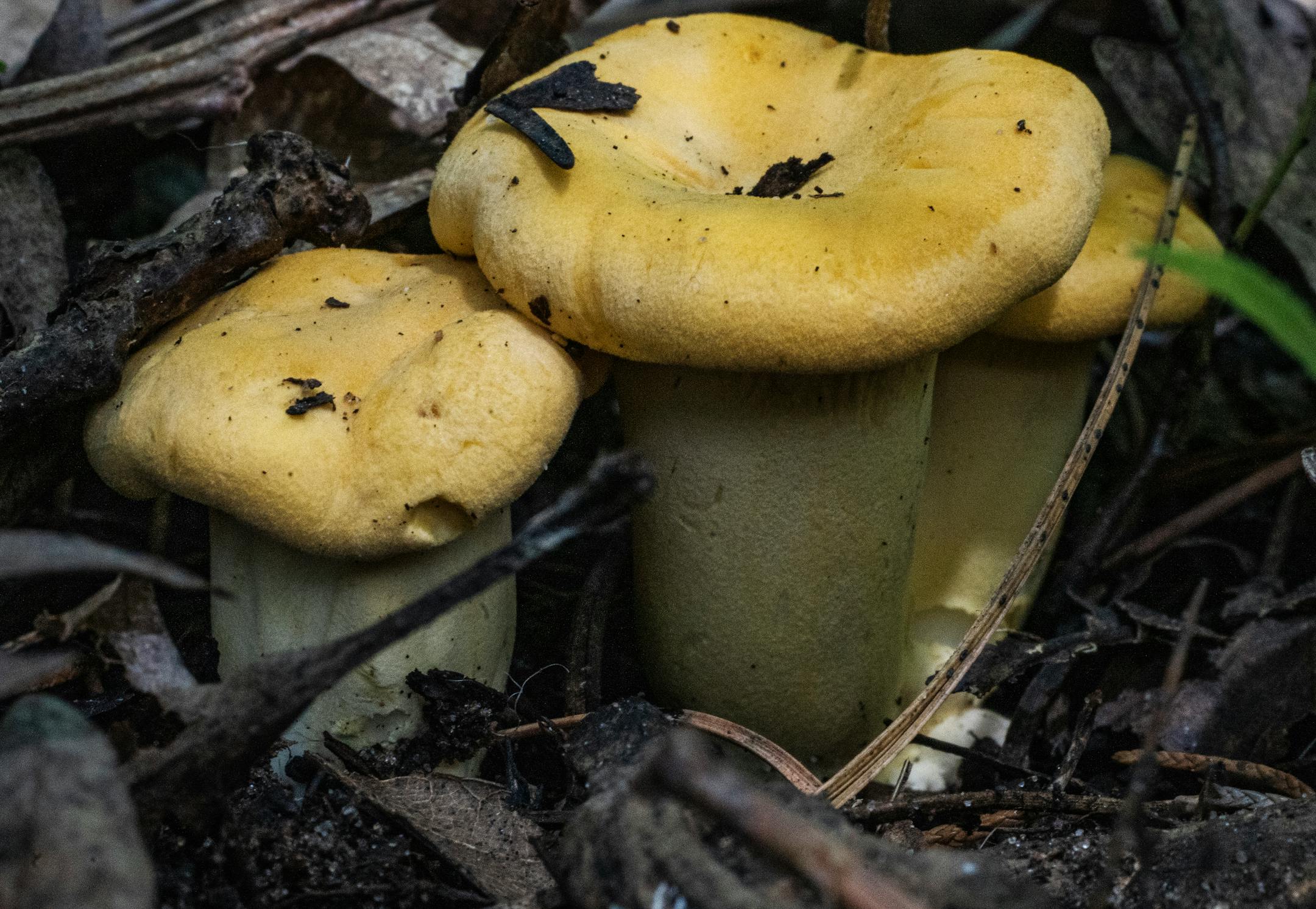
Golden chanterelles grow throughout forested areas of the state, from southern Minnesota’s oak woods to northern Minnesota’s pine woods. They tend to grow near the base of trees alone or in loose groups. They should be harvested gently with a knife to cleanly cut them and avoid getting dirt in the delicate folds.
Look for guided mushroom hikes or fungi-finding forays through public parks programs, folk schools and foragers to learn more about chanterelles and other mushrooms popping up this time of year.
The Minnesota Mycological Society has a booth at the Minnesota State Fair and offers introductory or certification classes on mushrooms, including chanterelles. Annual membership ($15 for students, $20 for individuals and $25 for families) includes organized group collecting trips in May through October and events such as cooking demonstrations.
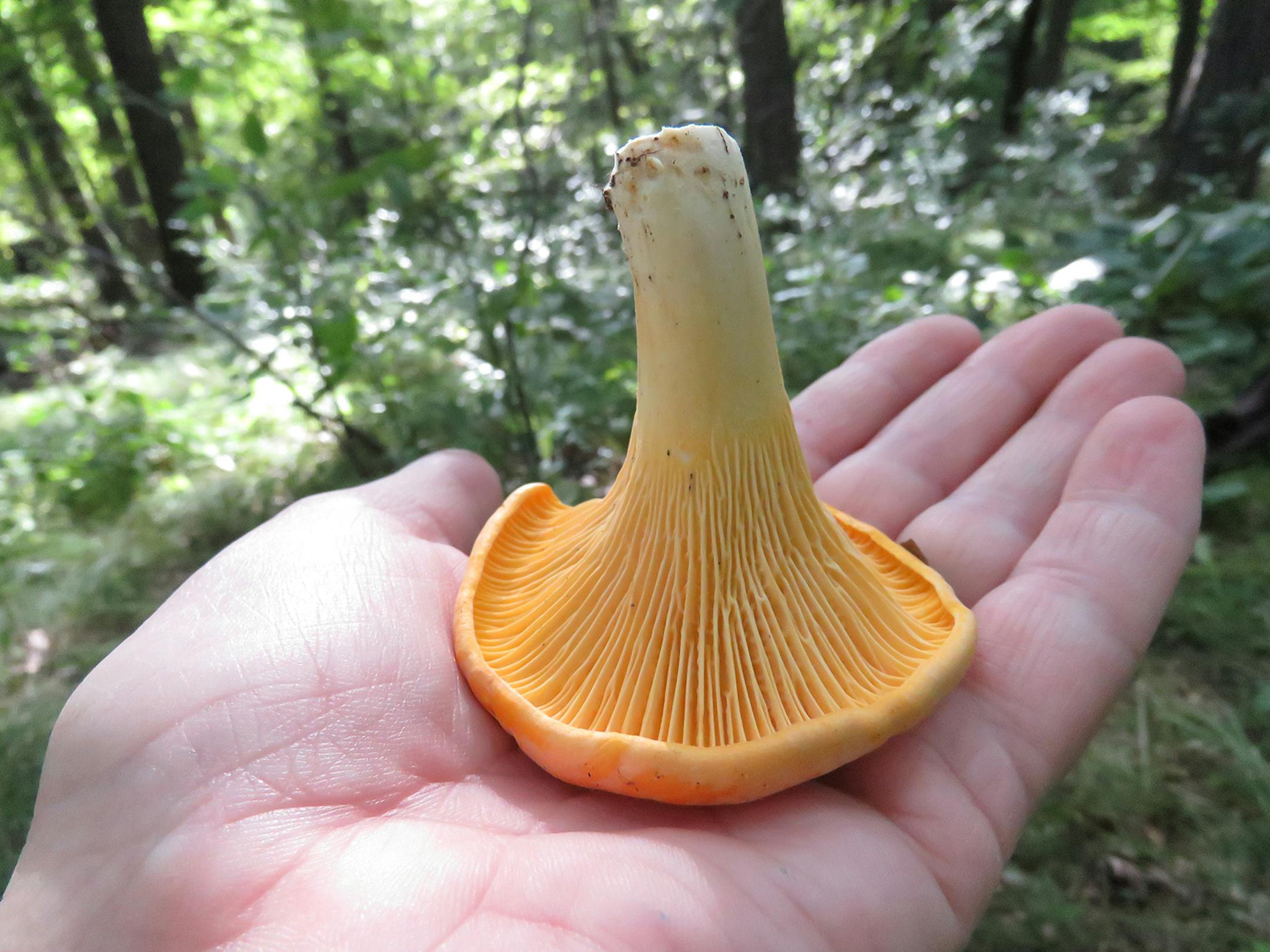
Guidance is important to avoid highly toxic jack-o’-lantern mushrooms, which can be confused with chanterelles. Jack-o’-lanterns tend to be a deeper orange color, have orange flesh when sliced and grow in dense clusters. There also are false chanterelles, which aren’t recommended for eating. These have true gills, which look blade-like, resembling pages of a book. They’re darker than their caps and can be removed easily.


