

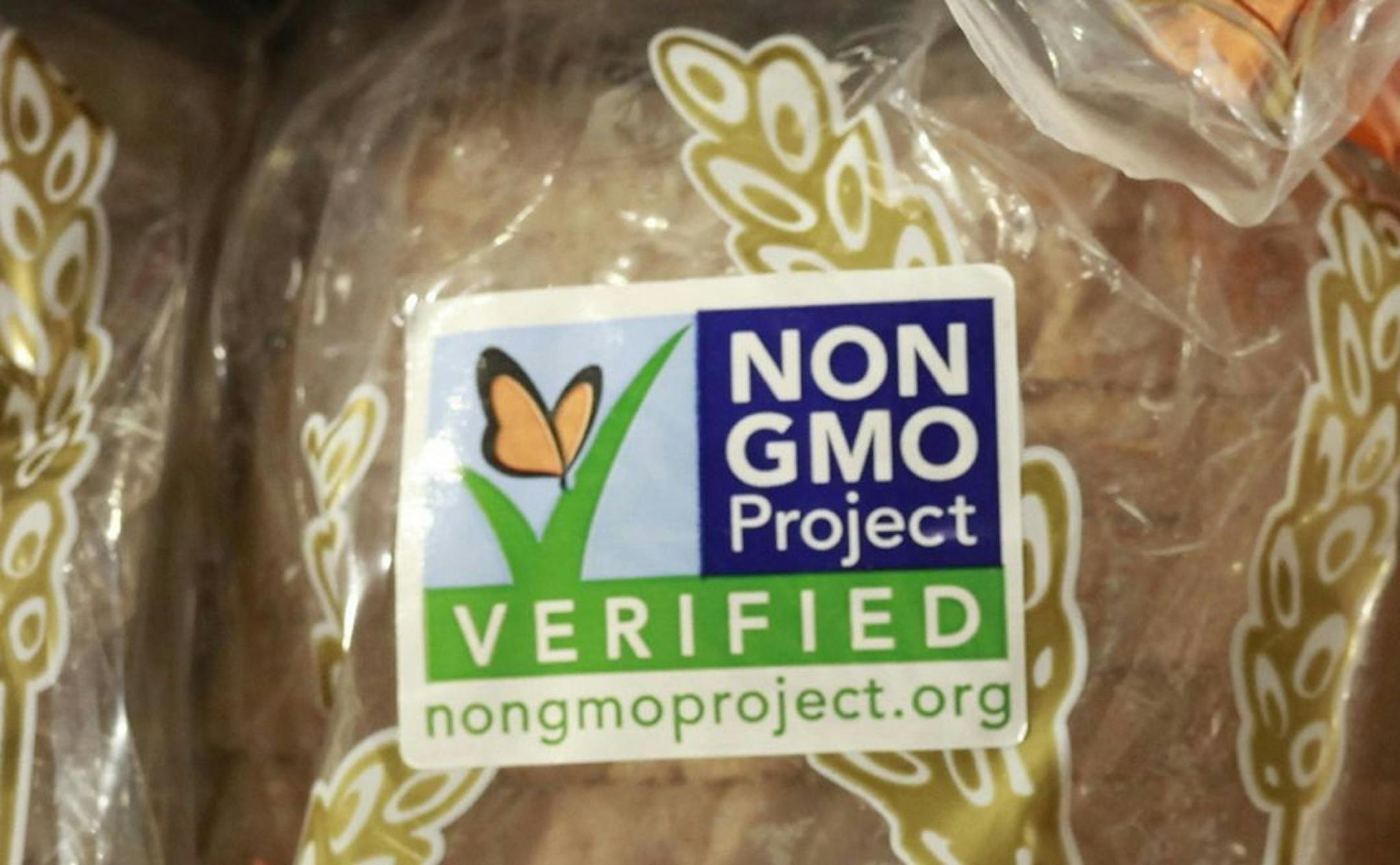
Cargill Inc., a staunch supporter of genetically engineered crops, on Thursday will release its first ingredients that an outside group is verifying as genetically unchanged.
In a bow to market pressure, Wayzata-based Cargill has had three major products verified by the Non-GMO Project, a nonprofit organization that tests products and ingredients to ensure their genetic origin and tracks them to make sure the full production process is uncontaminated. The products are sugar cane, high oleic sunflower oil and a bulking agent called erythritol that's used in chewing gums and sweeteners such as Truvia, Cargill's stevia-based product and a favorite among natural food consumers.
Cargill supplies a vast array of ingredients to foodmakers and restaurants, including major ones like General Mills, McDonald's and Kraft Heinz. Over its 150-year history, the company has made thousands of products that were organic or altered through hybrid processes.
In recent decades, the firm has also been at the leading edge of genetic modification in foods, the process in which a gene carrying a potentially useful trait, such as pest resistance, is spliced from one plant or animal species into another. Today, between 70 percent and 80 percent of the food consumed in the United States contains genetically modified ingredients, according to the Grocery Manufacturers Association.
But as consumers express growing preference for "clean label" foods, which can include a non-GMO verification, foodmakers are pushing Cargill and other suppliers to provide non-GMO ingredients.
"We see the consumer demand clearly has been growing at a pretty interesting clip," said Mike Wagner, Cargill's managing director of starches and sweeteners in North America. "Given our position in the ag supply chain, we are uniquely positioned to supply that scale of access to this growing segment."
Awareness of genetically engineered food ingredients, often called genetically modified organisms, or GMOs, has surged in recent years. Earlier this year the federal government passed a new law requiring food companies to label the presence of GMOs in its products.
Cargill has been a vocal defender of GMOs, arguing that crop engineering is safe and is key to growing enough food to feed the world's rising human population.


