

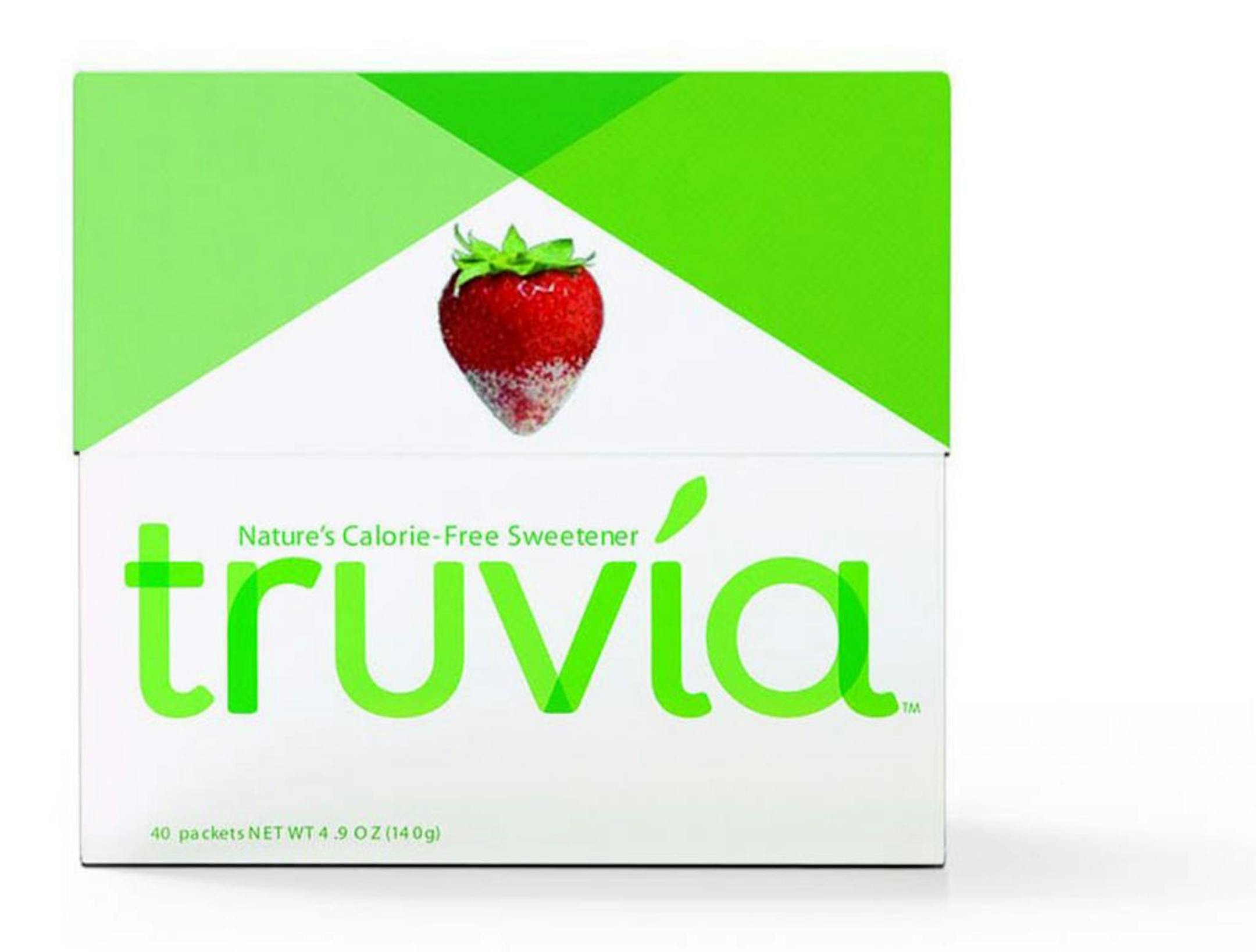
Cargill Inc. got the green light Friday to sell its Truvia sugar substitute in the European Union, opening up a critical market for a product that's already taken a big bite of the U.S. packet sweetener business.
Truvia is a zero-calorie sweetener derived from the leaves of the stevia bush, which is native to South and Central America. It's a natural product, while the leading zero-calorie sweeteners are derived from artificial ingredients.
The European Commission, the European Union's executive body, gave its formal approval, and Minnetonka-based Cargill announced Truvia distribution agreements with some of Europe's leading sugar makers.
While the U.S. sweetener market is the world's biggest with $685 million in annual sales, according to Cargill, the European Union is second at $412 million.
It took Cargill more than five years to develop Truvia, a showcase product for the agribusiness giant's food ingredient business. Truvia hit the market in this country soon after stevia-based sweeteners won approval from the U.S. Food and Drug Administration in late 2008.
It's been marketed primarily as an ingredient for beverages and as a powdered sweetener for coffee and other drinks. Cargill has made some headway with Truvia in non-carbonated beverages, though little progress in selling the sweetener to the fizzy drink world.
But in the packet sweetener business, Truvia has hit the sweet spot, quickly taking market share from artificial sweetener heavyweights Splenda, Sweet'N Low and Equal. "It's brought a fundamental change to the category," said Zanna McFerson, Cargill's vice president for Truvia.
Splenda, a sucralose-based sweetener, still dwarfs the rest of the category with a 42.8 percent market share for the year ending Oct. 30, according to SymphonyIRI Group, a market researcher that tracks sales at conventional supermarkets.


