

For many companies, acquisitions and new plant investments are a matter of "if." For agribusiness giant Cargill Inc., it's a matter of where and when.
Just over the past nine months, the company has unveiled more than $1.5 billion worth of transactions, ranging from the $800 million buyout of an Australian grain trading operation to a $30 million investment in a new plant in Russia that will churn out Chicken McNuggets for McDonald's.
As it scouts the world for its best business opportunities, Cargill is concentrating on areas where growth is heating up fastest -- often in distant countries like Brazil and Indonesia.
It has money to spend. Over the past decade the Minnetonka-based company has doubled in size, producing a cornucopia of foods and commodities from beef and barley malt to sugar and salt. A recent decision to divest its 64 percent stake in Plymouth-based fertilizer maker Mosaic Co. will only give it more financial firepower to extend its reach.
A major goal of the $20 billion-plus deal was to allow Cargill to cash out one of its largest shareholders -- the late Margaret Cargill -- to fulfill her philanthropic goals. But the divestiture will also enable Cargill to extinguish a hefty $8 billion-plus in corporate debt. That will bolster its financial flexibility and give it more capacity for acquisitions and investments.
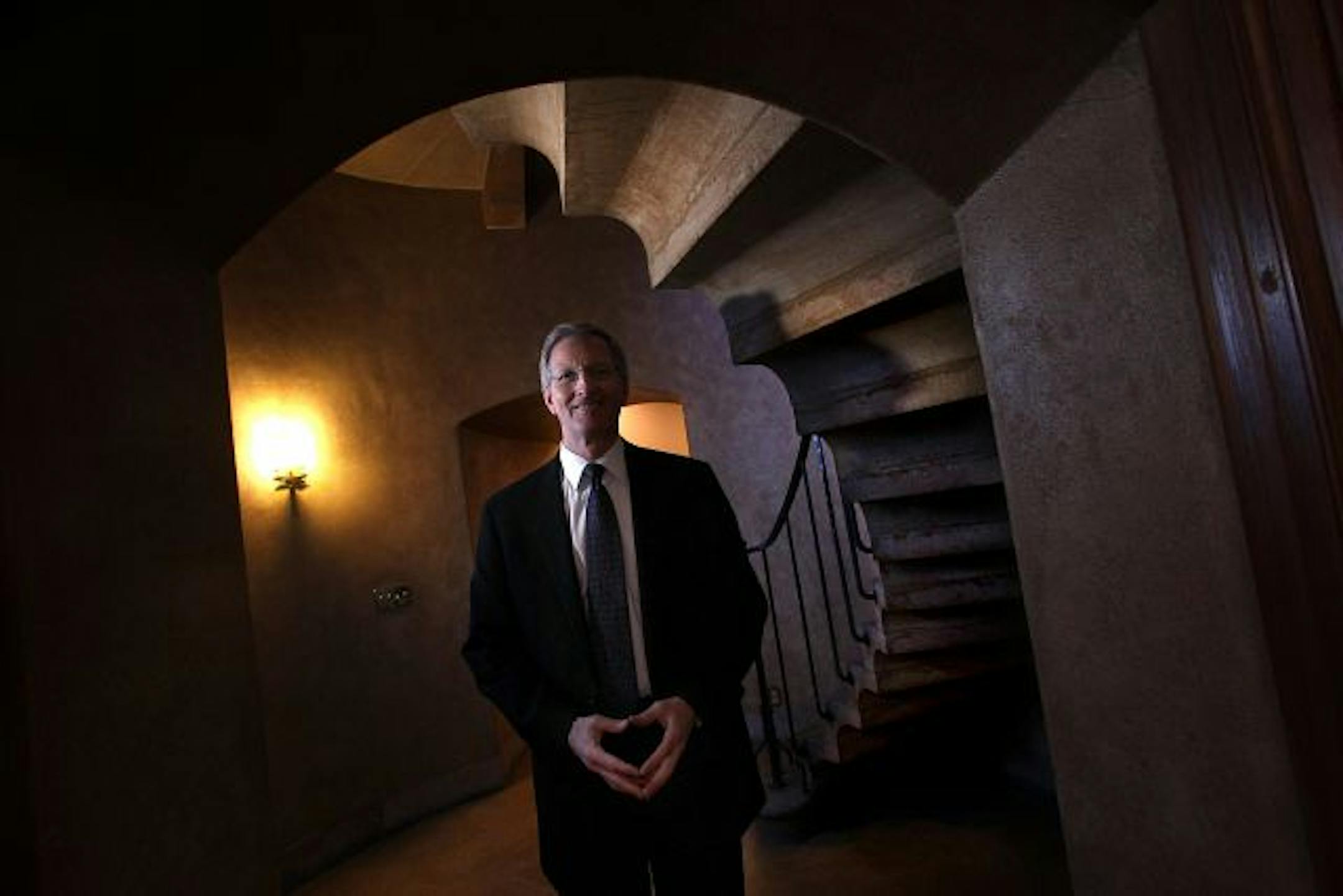
"Companies with strong balance sheets have more choices," Cargill Chief Executive Greg Page said in a recent interview with the Star Tribune.
Page, 59, has been Cargill's chief executive since spring 2007, steering the company through the worst economic downturn since the Great Depression, staying profitable and keeping the Cargill and MacMillan families happy.
Those families own about 90 percent of the company, and they let it reinvest most of its profits in growth. Page, a 37-year Cargill veteran, described the dividends they receive as "modest."


