

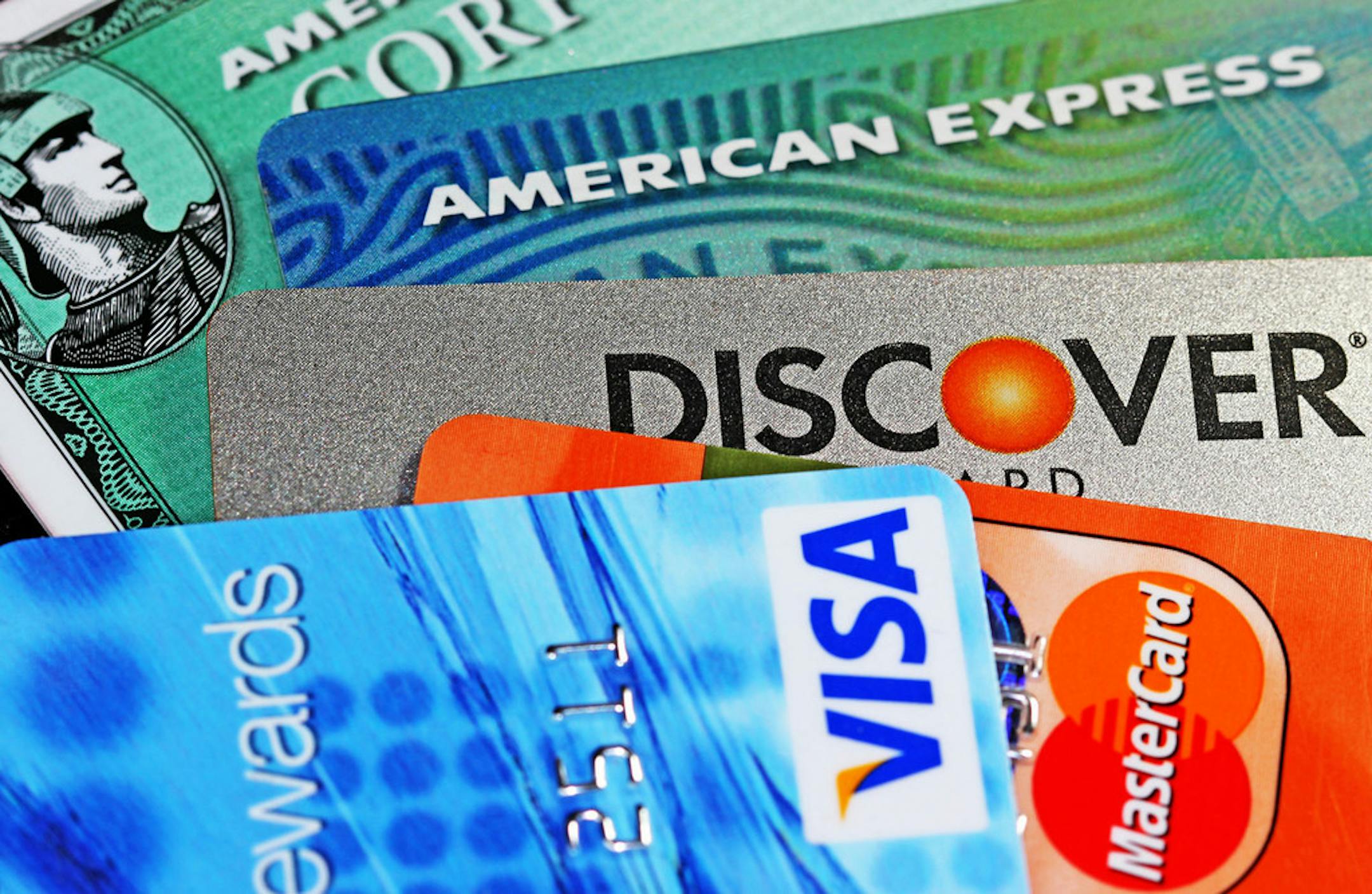
People who care about their credit scores tend to obsess about some things they probably shouldn't, such as the possibility they might have too much credit.
Let's bust that myth right upfront: The leading credit scoring formulas, FICO and VantageScore, don't punish people for having too many accounts. And right now, credit could be a lifeline.
In June, the median duration of unemployment was nearly 14 weeks, according to the U.S. Bureau of Labor Statistics. After the Great Recession, the median length of unemployment peaked at 25 weeks.
Most households don't have enough emergency savings to get through extended unemployment. Access to credit ultimately could be what staves off eviction, keeps the lights on and puts food on the table.
Obviously, you can have too much credit if it would tempt you to spend recklessly. And the more accounts you have, the easier it might be to forget a payment — which can be devastating to your scores — or fail to detect signs of fraud.
But that doesn't mean you should worry about applying for the credit you need in the misguided notion that having too much credit is bad for your scores.
Although you can't have too much credit, you can have too much debt. Having big balances relative to your credit card limits, or a bunch of cards with balances, can definitely hurt your scores, credit scoring experts say.
Even small balances and balances you pay in full can be problematic. Credit scoring formulas consider how many of your accounts have balances and how much of your credit limits you're using, among other factors.


