

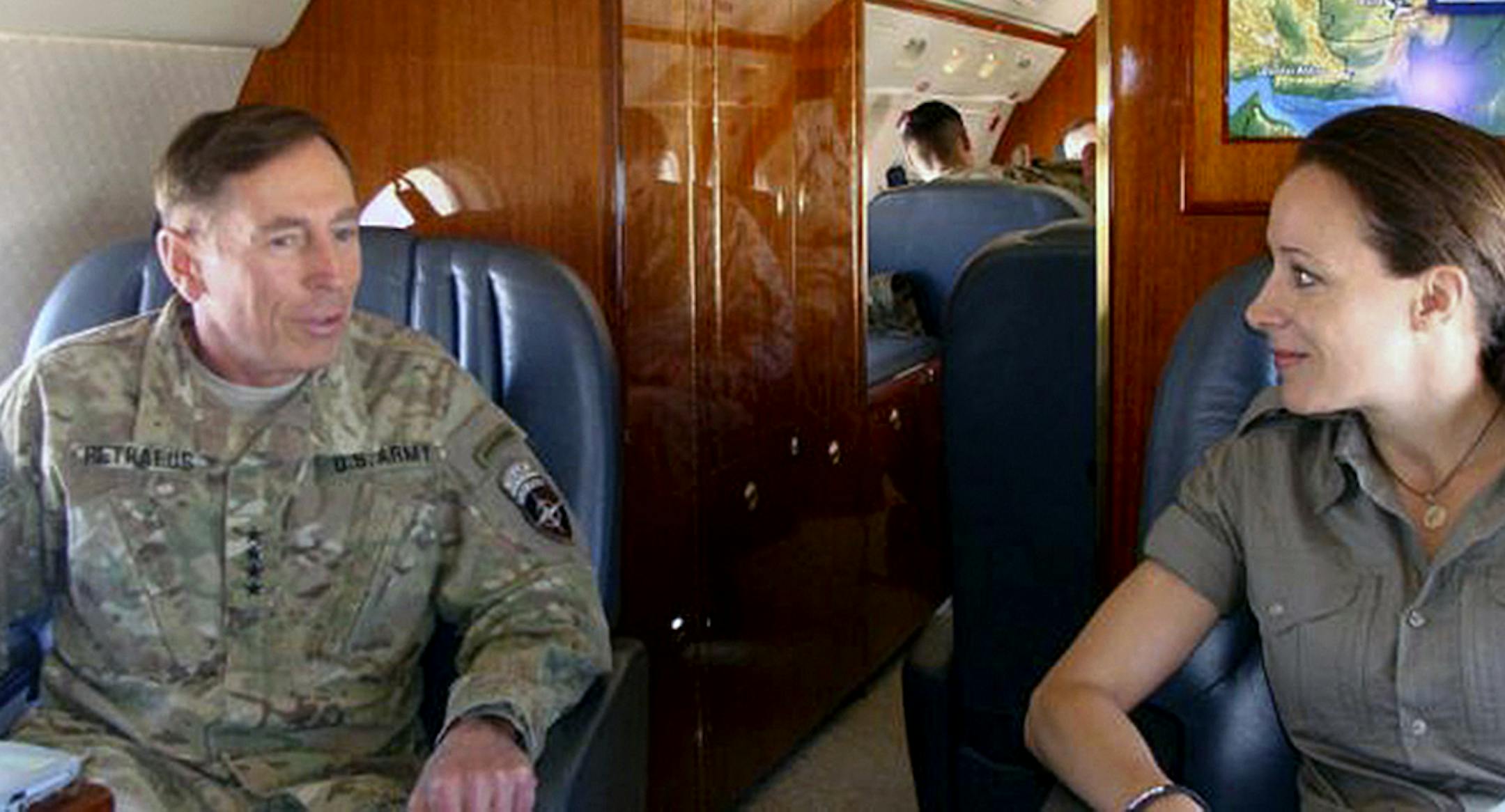
Over a recent holiday dinner, the conversation moved into the Petraeus/Broadwell liaison. The twenty-somethings at the table said: "What's the big deal? It's just sex, and it's just their business."
Unfortunately, this is a common response to unethical behavior. Maybe we've become cynical, or pessimistic, because we've seen similar melodramas before.
But I'm optimistic that our leaders can and should be models for ethical behavior. Why? Because if they choose the low road, they cost the rest of us dearly. I'm talking about lives, time and dollars here. When trust in our leaders is broken, we all pay the price.
The Petraeus debacle shocks us because our military personnel are held to a much higher standard than any corporate, nonprofit organization or elected public official because the military's mission is to protect the American people. There is no wiggle room whatsoever -- the military is the most unforgiving of professions. If Petraeus' security grid was compromised, people could die. Likewise, with the Secret Service agents mixed up with call girls in Cartagena, Colombia, last spring. There is no higher price to pay.
Unethical corporate behavior in the workplace also is costly and it is our pocketbooks (or stock portfolios) that suffer the consequences. We often overlook the fact that the costs of unethical behavior can be measured and directly correlated to the crippling of service, lowering of morale, and the stifling of recruitment and innovation. Everyone loses.
Just a few examples:
Inappropriate personal relationships in organizations today have stark consequences. Stockholders suffered when Best Buy stock plummeted in part because the company's leaders did not immediately follow protocol after learning of their CEO's affair with an employee.
Minnesota taxpayers are smarting over the legal costs after former Senate Majority Leader Amy Koch had an affair with aide Michael Brodkorb. These people may ride off into the sunset, but the public is left paying the bill.


