Minnesotans join the rest of the nation in honoring military veterans. The traditional Veterans Day fell on Sunday, Nov. 11, commemorating the end of World War I 94 years ago. But many official observances are Monday, including ceremonial events at various cemeteries, Fort Snelling and other sites around the country.
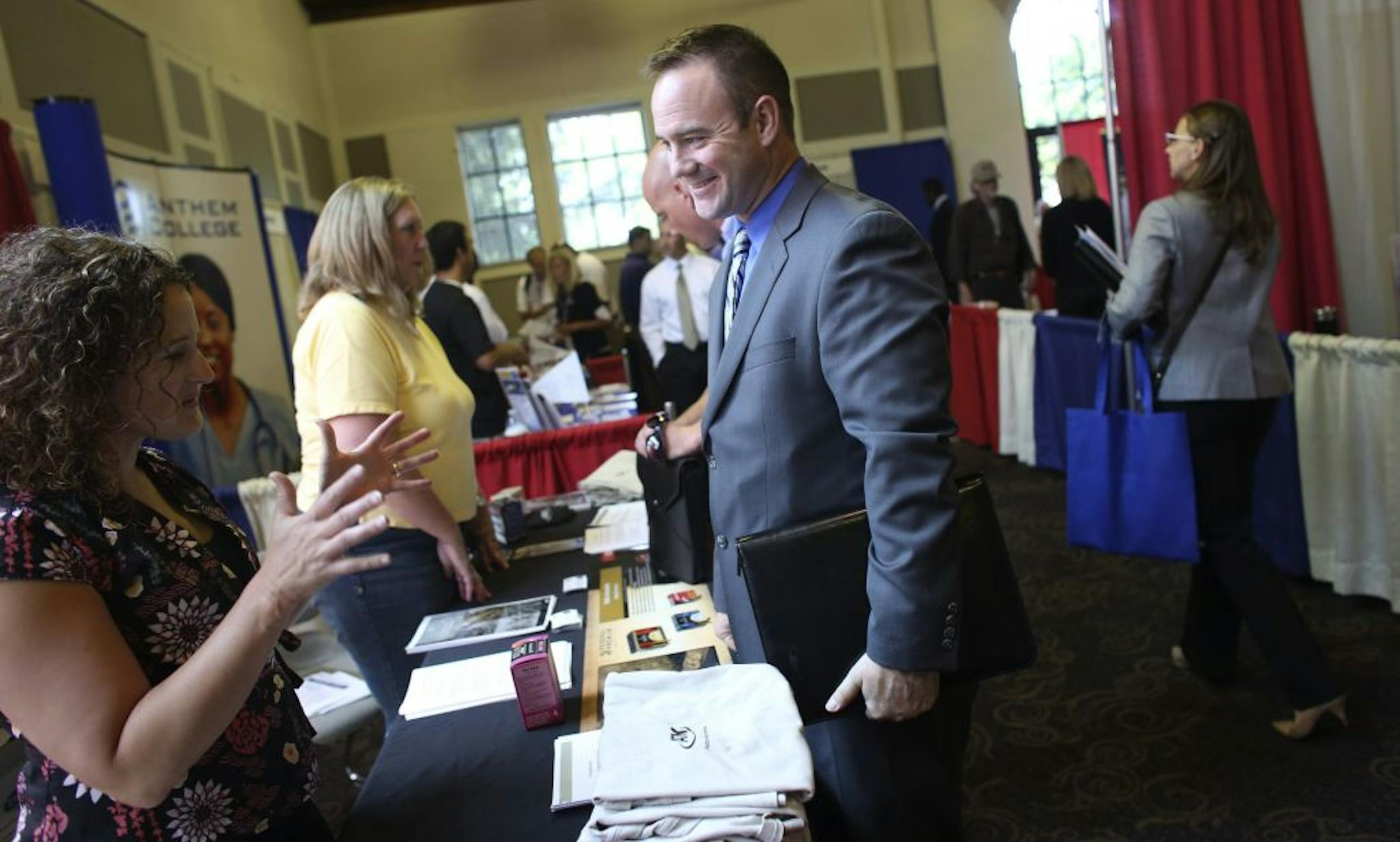
Minnesota honors those who have served in the military in the workplace, too, including legislation adopted earlier this year that expands job opportunities for veterans and their spouses.
Laws aimed at giving veterans more job-related rights date to the late 19th century in Minnesota, including a measure that provides greater job protection in the public sector than non-veterans receive. Other long-standing laws give veterans and their spouses advantages in hiring and for some promotions within the public sector.
The most recent addition to Minnesota laws favoring veterans was passed by the Legislature this year and signed by Gov. Mark Dayton. The measure extends the rights of veterans from the public sector to private enterprise. Under the law, private-sector employers are authorized, but not obligated, to grant "preference" to hiring and promoting veterans. This also extends to spouses of military veterans who are permanently and totally disabled due to a service-related injury and to the surviving spouses of deceased veterans.
The law does not specify what type of "preference" may be granted, how it may be bestowed, or any other details. Rather, it simply permits employers to give such preferences to veterans and, if disabled or deceased, to their spouses.
Pre-existing law in Minnesota prohibits discrimination in employment against individuals because of their military status. The new law, conversely, allows them to be given preferential treatment and, to dispel any doubt, expressly states that granting such favoritism does not constitute a violation of any state or local anti-discrimination laws.
That exemption, however, does not assure avoidance of litigation. A non-veteran might still find some ways to assert discrimination because of preferential treatment given to veterans.
Further, veterans themselves may raise various charges that they are being treated less favorably than other veterans with different or longer military service records.