

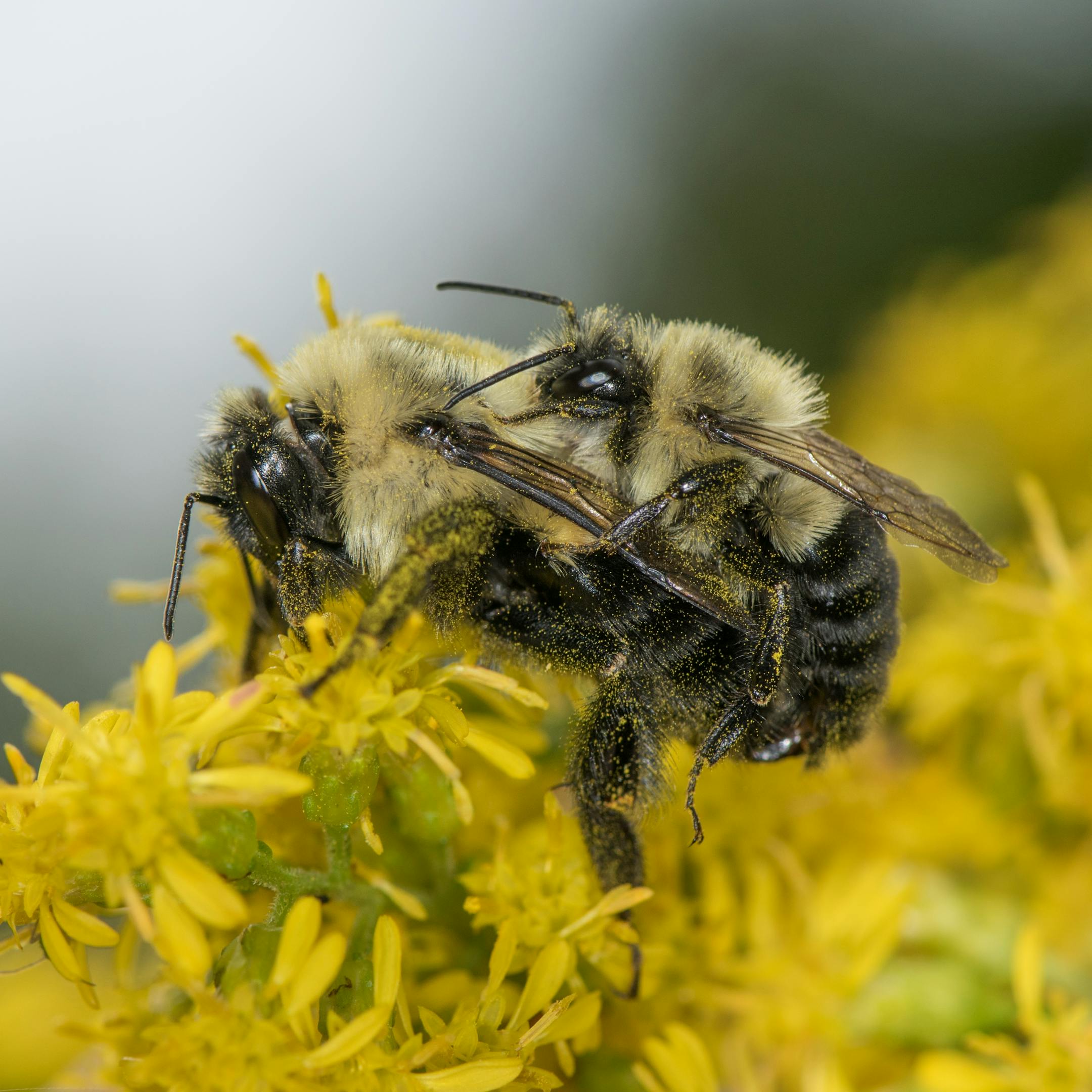
While studying the pollinator feeding frenzy this time of year, look closely and you might be lucky enough to spot a new bumblebee queen.
The new queens (also known as gynes) have emerged from the colony and can be distinguished by their much larger size and the brand-new appearance of their hairs and wings. If you watch their movements, they are also more methodical and focused as they search for nectar and a mate.
“They’re very approachable to photograph right now,” said Heather Holm, chair of the nonprofit Minnesota Native Bees and author of four bee and pollinator guides. “They’re more relaxed this time of year.”
By contrast, they’re much more skittish in the spring, when they’re on a mission to start a new colony. They will stay there through much of the season laying eggs.
This time of year, males have permanently left the bee colonies and are busy feeding on late-season flowers and native plants such as asters and goldenrod. Most importantly, they are looking to mate with a queen.
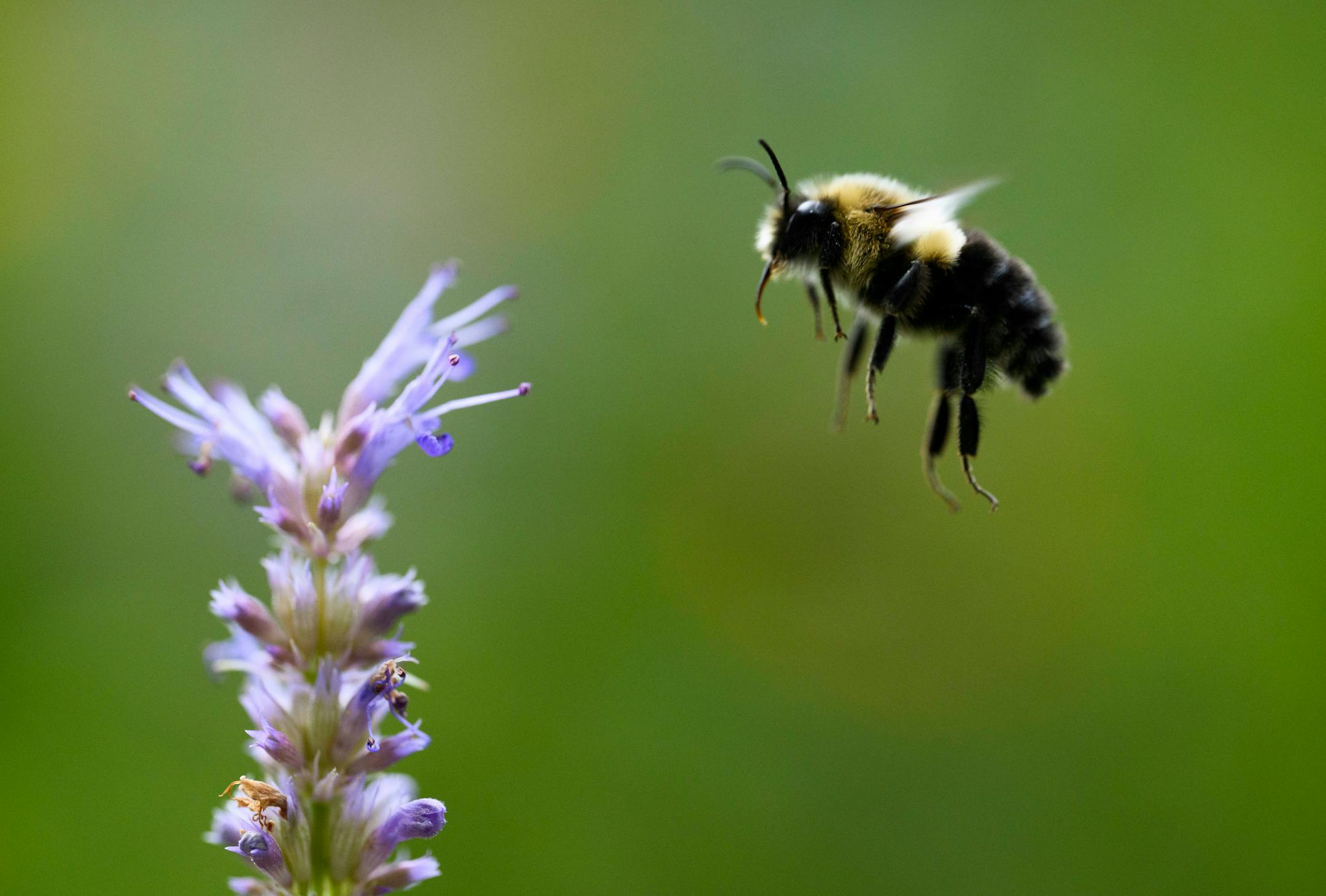
Male bees may look lifeless on plants in the early morning when cold fronts like the one in early September roll through. Once the sun warms them up, they can keep feeding and looking to mate.
Males and the female worker bees who collected nectar for the colony all season will die as frost and winter arrive. The colony-founding queen, too, perishes. New queens, having mated and feasted on late-season flowers to build up stores of fat, will hibernate in a shallow burrow for the winter. They emerge in the spring, ready to lay eggs and nurture a new colony.
Among Minnesota’s native bumblebees, these are easy to find: the common eastern, brown-belted (sometimes mistaken for rusty patched) and black and gold bumblebees.


