
Brown: Are millennials killing the stuff industry?

Or is consumerism reaching its limits?

Columnist Icon
The Minnesota Star Tribune
August 24, 2025 at 9:00PM
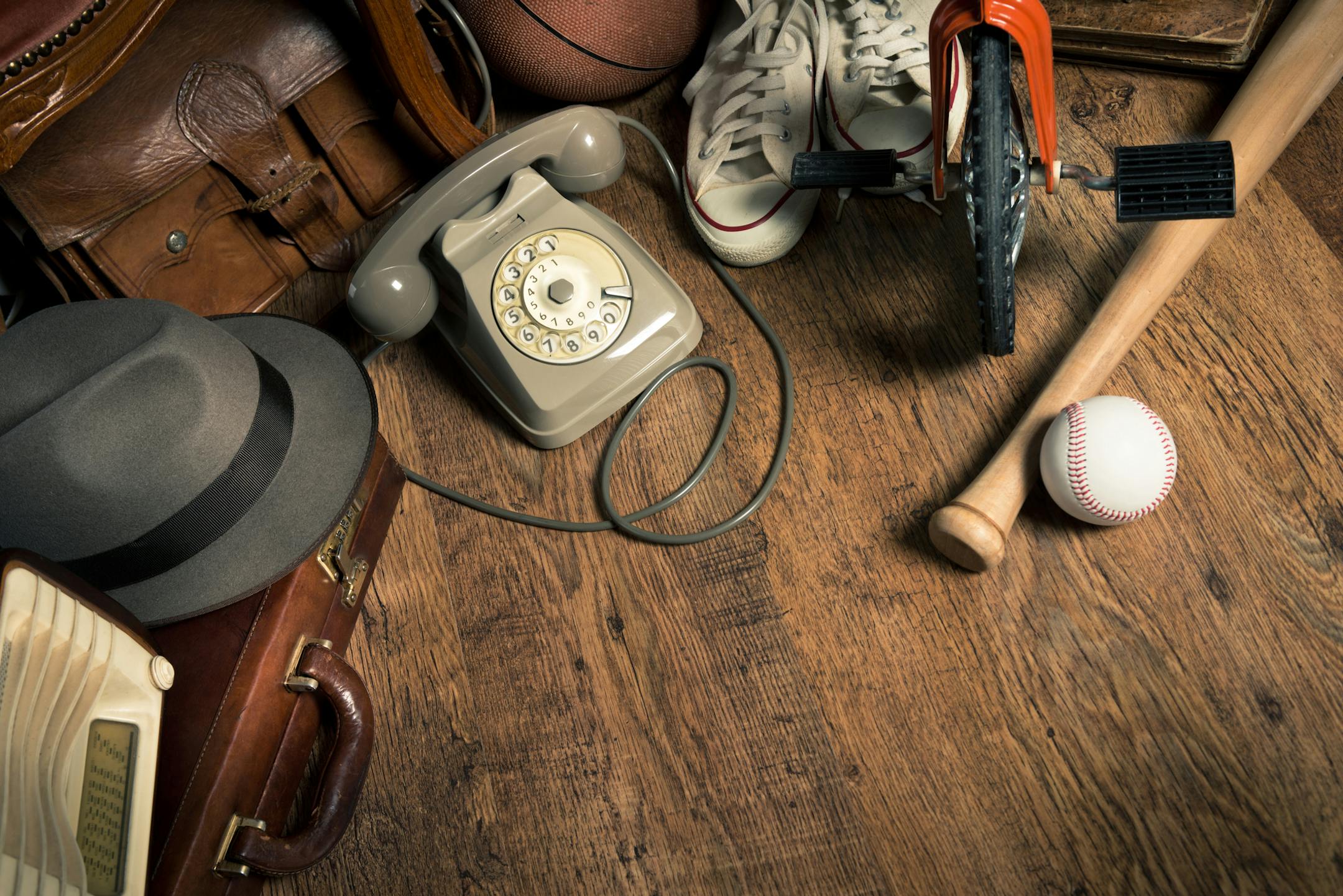
Although if all that stuff looked this vintage-cool, we might keep it … (cyano66, Getty Images/iStockphoto/The Minnesota Star Tribune)

Opinion editor’s note: Strib Voices publishes a mix of commentary online and in print each day. To contribute, click here.

•••

We have too much stuff.

I will speak first for myself. As I look away from the carefully coordinated Zoom backdrop of my home workspace, I see piles of stuff.

Books. Children’s toys that belonged to people who are no longer children. A dusty exercise bike purchased two decades ago as part of a failed effort to prevent my current physique.

American society also has too much stuff. It’s not only packed into our homes but cast into landfills and recycling centers in unsustainable amounts.

The world produced a projected 500 million tons of plastic in 2024, according to the United Nations, most of which became waste. That amount of plastic outweighs almost twice all the humans on the planet, though to be fair we must account for the microplastics currently lodged in our fatty tissues. Those are pulling double duty.

I grew up on a literal junkyard, a place where people rolled up in old pickups to buy salvaged auto parts from my family. So, I understand the delicate balance at play. Stuff has value. We either need it or like it, so we work and spend to get more. Once we’re done, we sell, give, or throw the stuff away. We hope our kids will one day appreciate all the stuff we left behind.

Well, here’s some hard news. They don’t. This fact is shown in market data, but I also observed it recently at a big flea market.

My family and I arrived just as the annual Northern Minnesota Swap Meet and Car Show in Grand Rapids, Minn., opened late last month. Vendors lifted the tarps off their tables, revealing a tableau of rusted metal, ceramics and Eisenhower-era plastic.

Seven generations of human ingenuity, culture and consumerism lined the fairgrounds, everything from great grandma’s spice tins to great-grandpa’s crosscut saw. It’s cool stuff, which is why we go. I almost bought a vintage electric fan (it still worked!) but didn’t. I wasn’t alone in holding back.

As I meandered through the swap meet, I heard banter among collectors and vendors. One older couple lamented that their collection of trophy head mounts, most of them purchased at events such as these, would have no home once they died. Their kids had no interest in keeping them.

I found myself doing math. What percentage of deer end up as heads on a wall? At that rate, how many years would it take for deer heads to fill the troposphere?

Later, I heard vendors complain that the crowds were thinner than in years past. Everybody was selling more online than in person.

That matches what the antiques and collectibles industry is seeing, too. The average age of junk collectors is rising along with demographic trends. Younger people like really specific collectables but rarely desire outbuildings to store everything they can get their hands on. Often, they can’t afford a house to begin with.

I spoke with Walt and Kim Hoffman from Grand Rapids. They own a company called Carefree Transition that helps families sell belongings after death or downsizing. And, for the record, they would greatly prefer I call their merchandise “items” rather than stuff or junk.

This year, the Hoffmans are retiring after 19 years of running the business, enough time to see trends change.

“The household stuff is going by the wayside,” said Kim.

“The younger generation wants it now; they want the best,” said Walt. “It used to be younger couples would buy the older stuff.”

As a result, the Hoffmans find it harder to move housewares. And the way people live is different. Without dinner parties, crystal glassware and fine china aren’t necessary. In fact, most people of all ages don’t use them at all.

The Hoffmans still see a lot of regular customers at their sales. Useful tools, hidden treasures and bargains remain popular. But as they prepare to retire from business, Kim remarked that they started with five competitors just in their area, now there is only one.

“We wish someone else would pick it up, but right now it doesn’t look like it,” said Kim.

I was born in the last year of Generation X. Most people younger than me have very different attitudes about stuff than most people older than me. Younger people can neither afford nor imagine owning a pole barn for nine generations of tchotchkes.

To be clear, I’m not suggesting we purge all our belongings. It’s OK to keep and collect stuff that you really like. But we should start thinking about a world with much less stuff, because that’s what’s coming.

This means something quite radical: an economy based on people, not products. Society, not stuff.

Workers of the world declutter.

about the writer

about the writer

Aaron Brown

Editorial Columnist

Aaron Brown is a columnist for the Minnesota Star Tribune Editorial Board. He’s based on the Iron Range but focuses on the affairs of the entire state.

See Moreicon