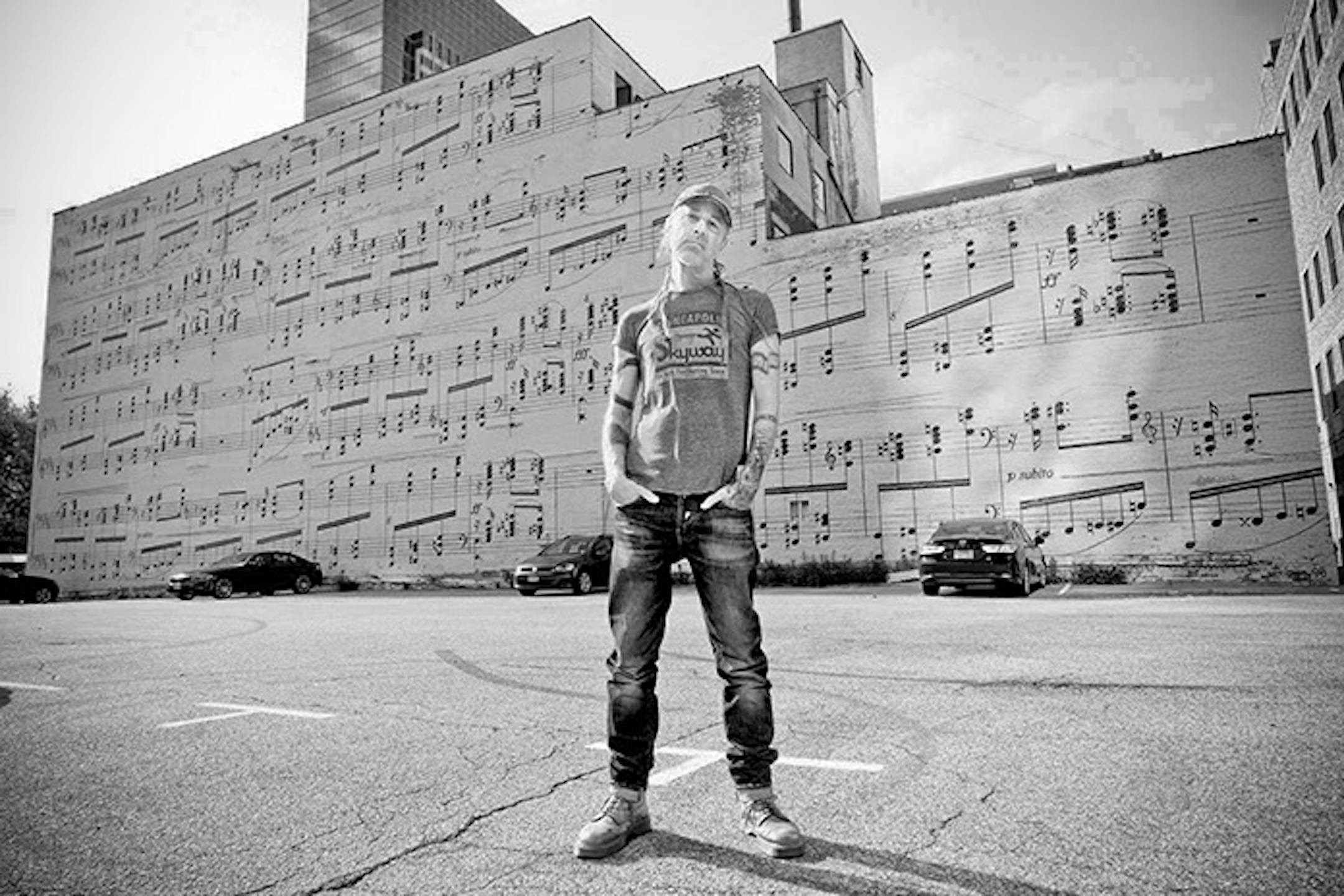
When Rolling Stone magazine gave him the assignment to shoot Nirvana at First Avenue in 1991, Brian Garrity was so excited he puked. And he kept puking, his friend remembered.
Like all great rock ‘n’ roll lensmen, though, the Minneapolis photographer still got the shots he needed, no matter how chaotic the situation turned.
“He knew it was a big-break kind of thing and was so nervous about it,” Garrity’s longtime friend, painter John Vieno, recalled. “But in the end, he just transformed and did really great work.”
Garrity and his work will be celebrated with a Feb. 1 memorial at the Hook & Ladder in Minneapolis. The 62-year-old photographer’s body was found in November under a bridge in south Minneapolis, where he had been living while dealing with alcoholism, and exposure to the cold is believed to be the cause of his death, family and friends said.
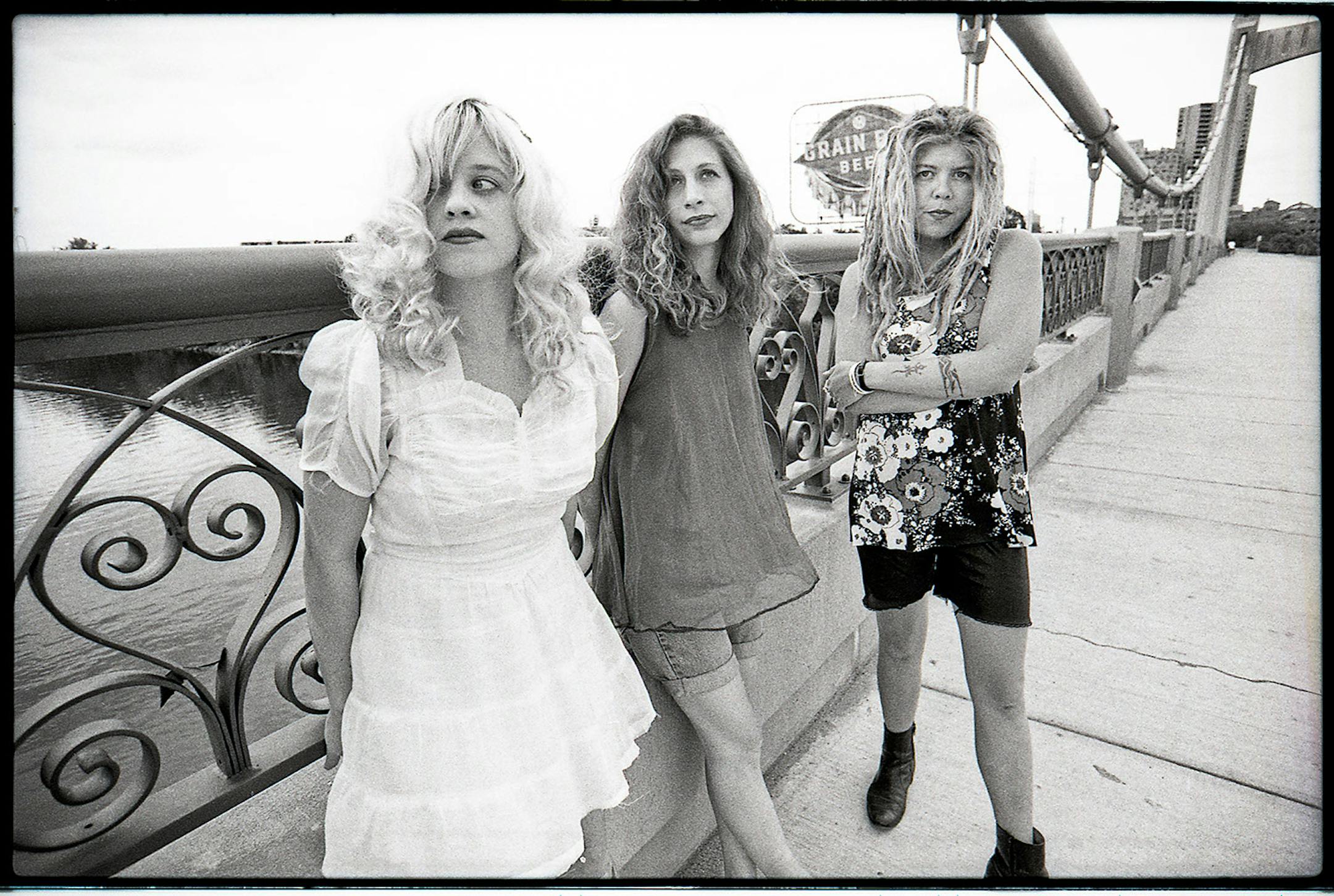
That sad demise should not offset the vibrant work Garrity did in the 1980s and 1990s documenting the Twin Cities music scene, said Vieno and other friends organizing this weekend’s tribute. His music photos — which nowadays look unusually specific to the fashion and feel of the era — were usually shot on black-and-white film and regularly featured in magazines including Alternative Press, Spin and Interview. Bands also frequently used his pictures for promotional purposes.
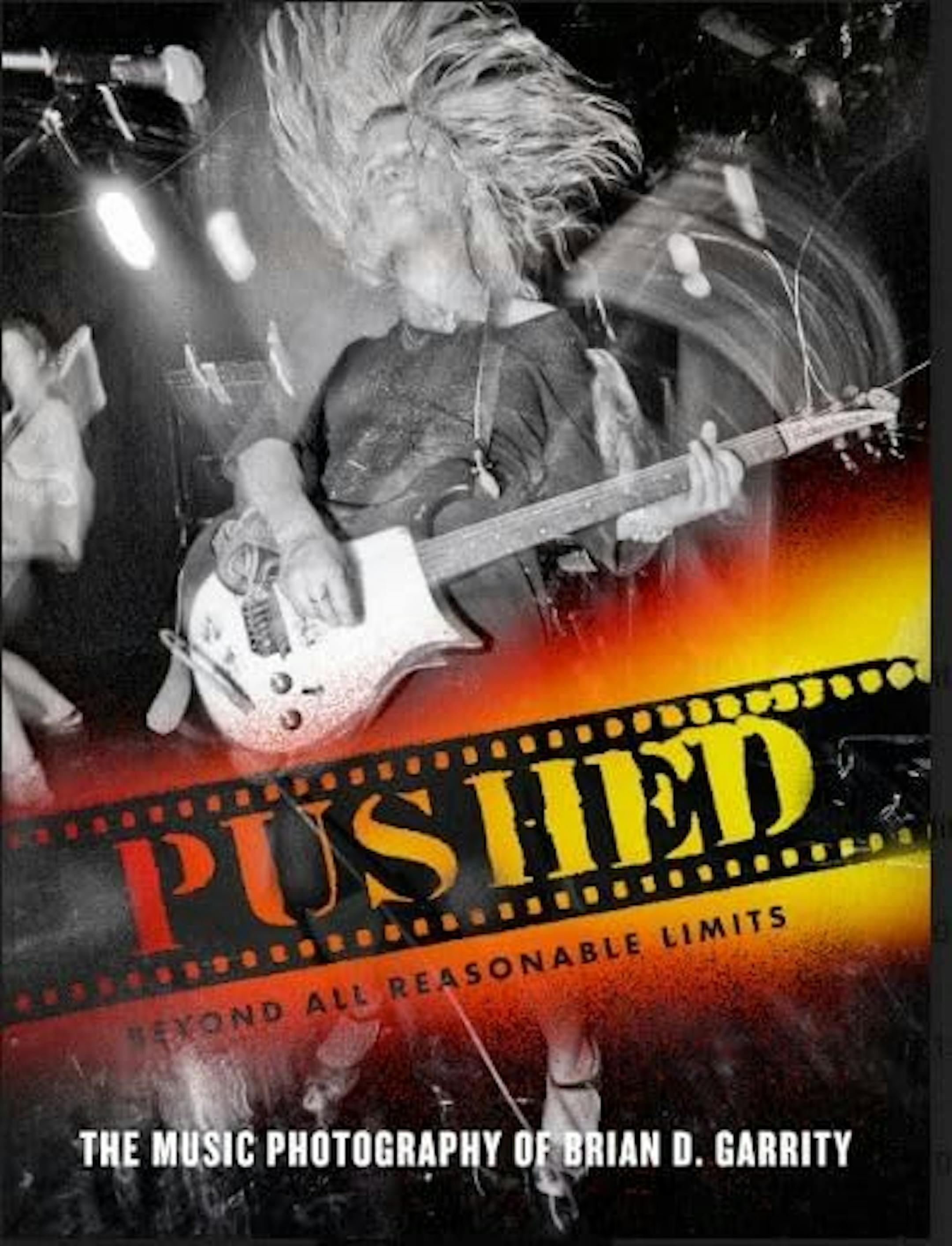
Among the artists Garrity most famously photographed are Babes in Toyland, Marilyn Manson, Radiohead, the Lemonheads’ Evan Dando, Hüsker Dü, PJ Harvey, the Offspring, Rancid and Garbage. Some of his best rock photos were showcased in “Pushed Beyond All Reasonable Limits: The Music Photography of Brian D. Garrity,” a 2023 book put out by punk/indie-centric publisher DiWulf.
“You can almost smell the sweat and beer looking at these photos,” said Dan Hobson of the Wisconsin punk band Killdozer in a blurb promoting the book.
Babes in Toyland drummer Lori Barbero, a longtime friend of Garrity’s, believes he was such an effective rock photographer because “he was always everywhere, and always with a camera.”