

The oldest of the baby boomers had an April tax deadline some almost certainly didn't realize was approaching.
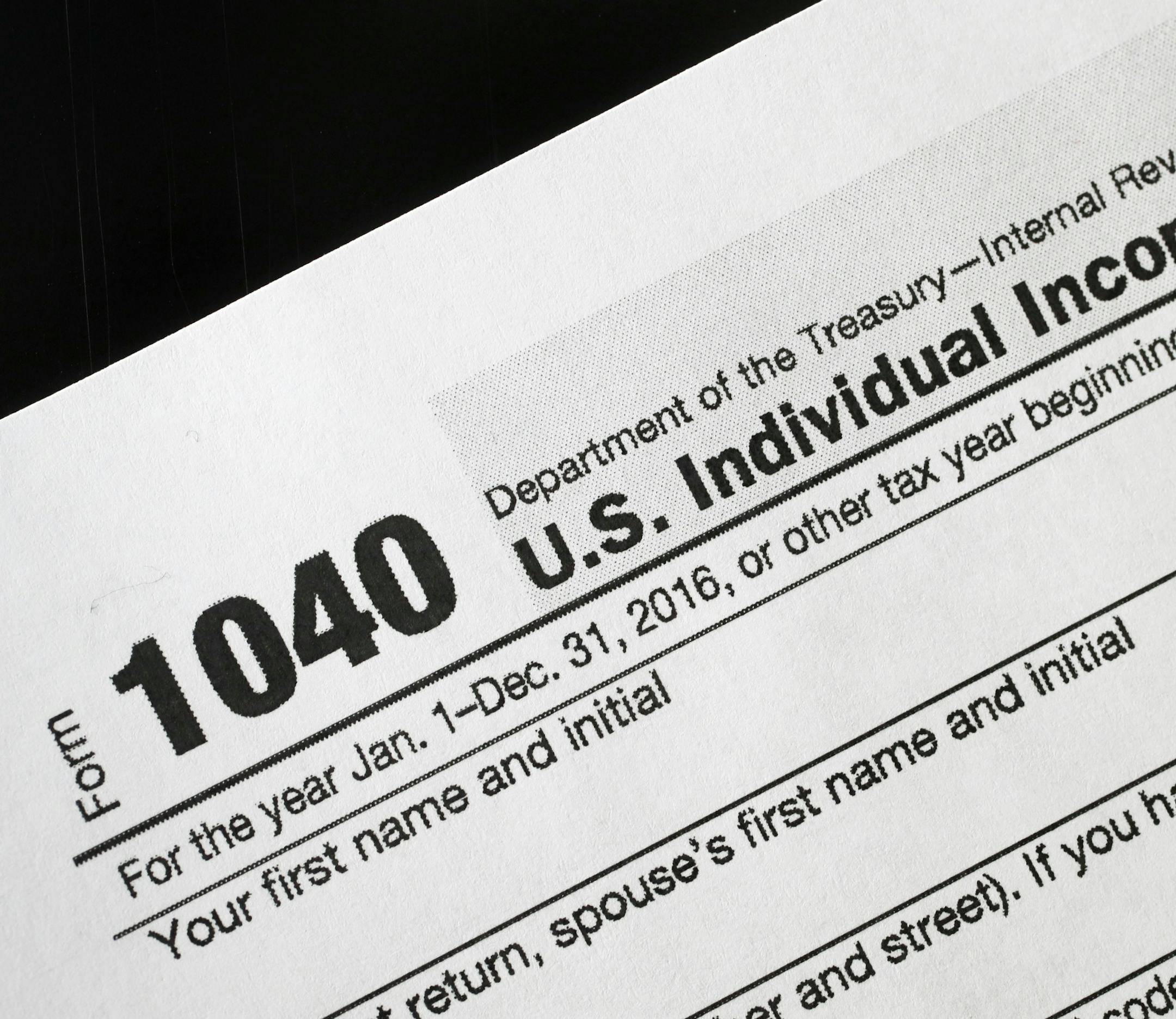
Unfortunately it was April 1, not the April 18 tax filing deadline. So if they did nothing they've already blown it. It'll take a while, but one day they'll get the letter from the Internal Revenue Service explaining how much they now owe, in that odd font the IRS uses that seems to come straight from the 1970s.
It will be, at least on a percentage basis, very painful — half of what was supposed to get withdrawn but wasn't.
The April 1 deadline was for the first of what's called a required minimum distribution from a tax-deferred plan for people who turned 70½ last year. A simpler way to say that is that people eventually need to start taking money from their IRA or 401(k)-type accounts, and the IRS decided to fix that date as April 1 of the year after they turned 70½.
The reason for requiring distributions is actually pretty simple. That money, all of it including the original money that went into the account, hasn't already been taxed, and requiring it to come out of those tax-deferred accounts finally puts it on a tax return.
Why is all of the 401(k) money taxable? Because it's money that was earned for paid work, or earned by investing that paycheck money. It's going to be taxable whether you pay those taxes now or down the road.
If people think of 401(k) or IRA money as "tax-free," they've fundamentally misunderstood a pretty simple idea. If people think they can hang onto that money and pass it tax free to heirs, they've also not got it right — but at least that's a more complicated story.
Want to get out of paying income taxes on your 401(k) money? Giving it away to a genuine charity will work.


