

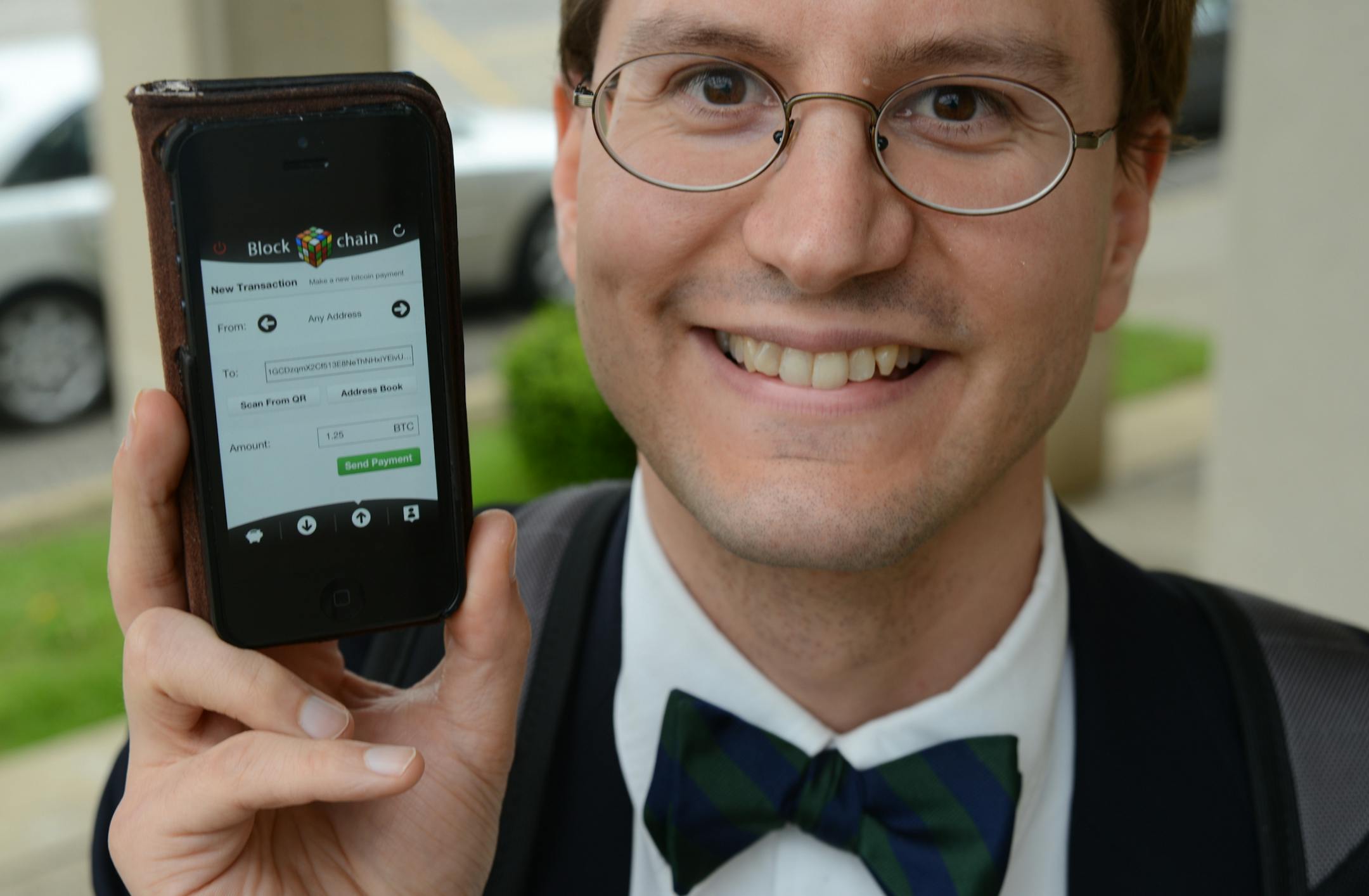
Bitcoin has shot up and crashed at least twice now.
Exchanges where the fast-rising new digital currency trades have been hacked, and so have individual accounts. It's been linked to illegal activity in underground cyber haunts such as Silk Road, and sparked a move by the U.S. government to halt unregulated use.
And Bitcoin persists.
Heck, CNBC has a Bitcoin ticker on its website.
In its fourth year of circulation now, the decentralized online-only form of money has evolved from a libertarian-styled geek curiosity to a contender for becoming the first digital currency to go truly mainstream. There are now more than 11 million "coins" created worth more than $1 billion. Lumpy and volatile as it is, the math-based cash is one of the fastest rising alternative currencies in a world filled with them.
Tyler Moore, who studies alternative currencies, said he still isn't sure why.
"It's one part luck, one part decentralization and one part this design that carries appeal for people that don't like inflation," said Moore, an assistant professor of computer science and engineering at Southern Methodist University in Dallas. "The timing of it was really good."
Bitcoin slipped onto the scene in 2009, as trust in established banks crumbled and inflation fears rose. It's not managed by anyone. There's no central bank. It's based on open-source encryption technology.


